Coffee
The Best Coffee Beans For Espresso: Stop Using Generic Store Brands
Author:Tooba
|
Released:October 3, 2025
Generic coffee might be cheap, but it rarely delivers the kind of crema, body, or flavor that makes espresso worth drinking. If you’ve been buying store-brand whole beans or pre-ground blends and wondering why your shots taste flat, the issue isn’t your machine—it’s your beans.
Here’s what to buy instead, how different beans perform in various machines, and the espresso recipes that bring out their best flavors.
Why Most Store Brands Fail At Espresso?
Most supermarket coffee isn’t roasted with espresso in mind. It’s often over-roasted to mask low-quality beans and lacks the complexity espresso needs. You end up with a bitter, ashy shot with no crema. Pre-ground versions make it worse. Espresso needs a fine, consistent grind. Anything else chokes your machine or gushes weak brown water.
That’s why upgrading your beans matters even more than getting a new espresso maker.
Best Beans For Classic Espresso Flavor
If you like thick crema and bold Italian-style flavor, go for medium-dark blends with a balanced profile.
Lavazza Super Crema

Price: Around $23 for 2.2 lbs
Roast: Medium
Notes: Honey, almonds, mild cocoa
This is a top pick for traditional espresso machines. It’s pre-blended and roasted for consistent crema and smooth flavor. Works well in semi-automatics like the Gaggia Classic Pro or Breville Bambino.
Illy Classico Whole Bean
Price: $14–$16 per 250g tin
Roast: Medium
Notes: Toasted bread, caramel
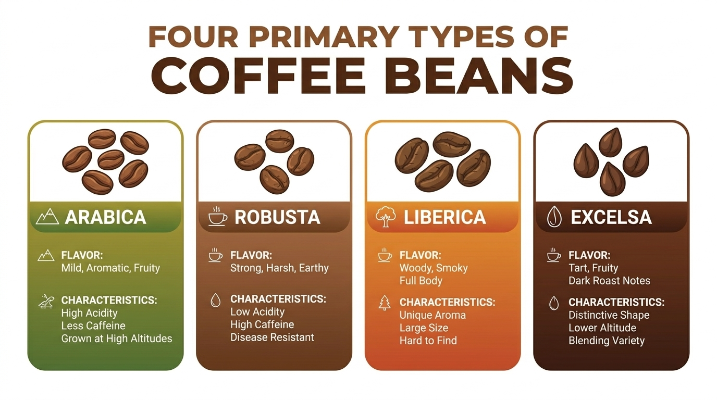
Illy uses Arabica-only beans with a light hand on the roast. It's ideal if you’re pulling single shots or straight espressos without milk. Slightly pricier, but the freshness and flavor are worth it.
For Fruity, Modern Espresso
Lighter roasts and single-origin beans bring out acidity, fruit, and floral notes. These work best for people sipping espresso straight or making Americanos.
Stumptown Hair Bender
Price: $16–$18 for 12 oz
Roast: Medium-light
Notes: Cherry, dark chocolate, toffee
One of the best blends for those seeking complexity without losing body. Use a grinder that can hit a precise fine setting, like the Baratza Sette 270 or Fellow Opus.
Verve Coffee Roasters Streetlevel
Price: $20 for 12 oz
Roast: Light-medium
Notes: Citrus, stone fruit, syrupy
This single-origin-forward espresso blend shines in modern machines like the Breville Dual Boiler or Profitec Pro 300. Best for clean, bright shots.
For Lattes And Milk Drinks
You need beans that punch through milk without turning muddy.
Red Bay Coffee’s East Fourteenth
Price: $18–$20 for 12 oz
Roast: Dark
Notes: Molasses, nutmeg, smoke
Excellent in cappuccinos or flat whites. It's got the roast depth to stand up to steamed milk, but isn't burnt. Pairs well with budget machines like the De'Longhi Dedica.
Onyx Coffee Lab Monarch
Price: $22 for 10 oz
Roast: Medium-dark
Notes: Chocolate, red wine, spice
One of the richest blends out there. It pulls a thick shot, and when used with whole milk, it delivers a true café flavor. Ideal for Breville Barista Express or Rancilio Silvia.
Grind Consistency Matters
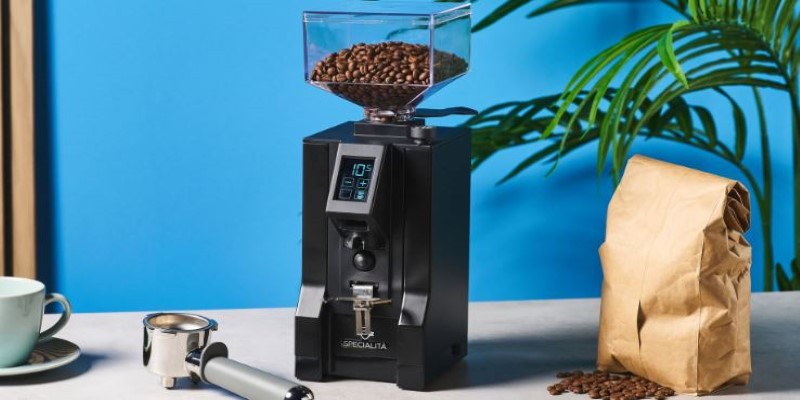
Even the best beans will fail if your grinder isn’t up to the task. Skip blade grinders. You need a burr grinder that can hit espresso-level precision.
Entry-level pick: Baratza Encore ESP ($199)
Mid-range: Fellow Opus ($195), offers stepped adjustments and compact size
Pro-level: Eureka Mignon Specialita ($400), near-commercial quality with low retention
If your machine has a built-in grinder, like the Breville Barista Pro, still consider a standalone grinder if you want full control.
Espresso Recipes To Try Now
Classic Doppio
Beans: Lavazza Super Crema
Grind: Fine, 18g dose
Brew time: 25–30 seconds
Yield: 36g shot
Great for testing consistency. If the crema is thin or blonding early, adjust the grind slightly finer.
Citrus-Forward Americano
Beans: Verve Streetlevel
Grind: Fine, 17.5g dose
Brew time: 27 seconds
Add: 80g hot water after shot
Bright and layered. Works especially well with filtered water and a well-heated grouphead.
Milky Cortado
Beans: Onyx Monarch
Grind: Slightly finer than usual
Dose: 18g
Brew: 28–30 seconds
Milk: 80g steamed, not foamy
Rich and balanced. Use full-fat milk or barista oat milk for the best mouthfeel.
Choosing Beans For Your Machine
Some machines are forgiving. Others demand more precision. Here's how to match them:
Manual Machines (Like Flair 58, Cafelat Robot)
Best with: Single-origin light roasts
Why: You control pressure and temp, which helps with beans that need finesse
Semi-Automatics (Like Gaggia Classic Pro)
Best with: Medium blends
Why: You get great shots with less dialing in
Superautomatics (Like Jura Or Philips)
Best with: Medium-dark blends like Lavazza
Why: These machines aren't built for light roasts or variable grind profiles
Pod Machines (Nespresso + Refillable Pods)
Use pre-ground espresso blends like Illy or Lavazza
Grind must be ultra-fine and tamped very firmly
Don’t expect café-level shots, but good enough for milk drinks
When to Use Fresh vs Rested Beans
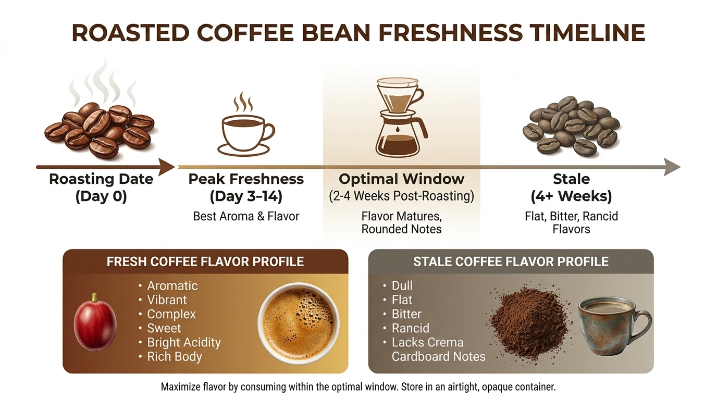
Roast date matters. Beans that are too fresh (under 5 days) can be gassy and unpredictable. Too old (over 5 weeks), and the flavor drops off fast.
Ideal range: 7–21 days post-roast
Resting time is especially important for lighter roasts. If your shots are channeling or tasting sour, check the roast date and let them sit for a few more days.
Beans Worth Subscribing To
If you drink espresso daily, consider a recurring order. You’ll save time and often money.
Atlas Coffee Club: Rotating single origins, good for adventurous drinkers
Trade Coffee: Personalized recommendations and user reviews
Bean Box Espresso Subscription: Curated specifically for espresso lovers, includes roaster notes and brew tips
Most subscriptions let you set grind level, roast preference, and delivery frequency. Choose whole beans for best results unless you're locked into a pod system.
Final Thoughts: Upgrade Where It Counts
Switching from store-brand beans to espresso-specific blends is one of the fastest ways to improve your coffee at home. You don’t need to buy a $1,000 machine. With solid beans, a reliable grinder, and attention to your recipe, even an entry-level setup can outperform anything generic.
Next step? Pick one of the recipes above, choose a blend like Lavazza or Stumptown based on your taste, and start dialing in your shot. If it still doesn’t taste right, check your grind, your water, and your machine’s temperature. Great espresso takes repetition, but good beans make the process a lot more forgiving.
You May Like
-

-
Coffee
How Long Do Roasted Coffee Beans Last Freshness, Storage, and Flavor Preservation
-
Coffee
Types of Coffee Beans Explained Arabica, Robusta, Flavor Profiles, and Brewing Differences
-
Coffee
More Americans Drink Coffee Than Water: What's Behind the Numbers
-
Guide
Why Cold Brew Concentrate Is The ONLY Way To Drink Iced Coffee
-
Guide
The Bulletproof Coffee Mistake That Kills Weight Loss: Are You Doing It?