Coffee
Ginger Bread Latte Recipe: Get The Holiday Taste Before It's Too Late
Author:Tooba
|
Released:October 1, 2025
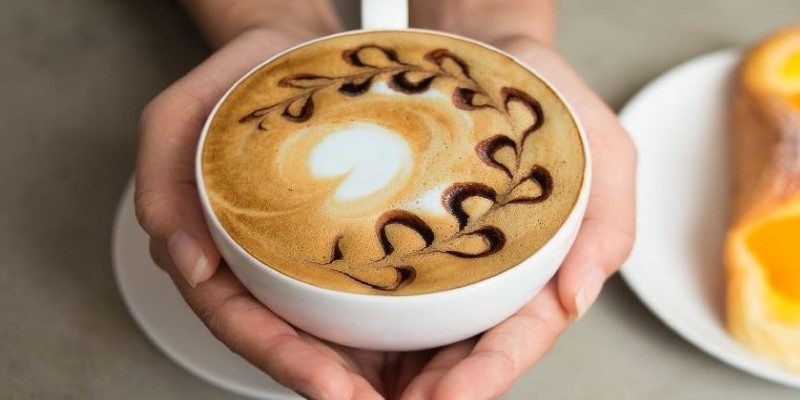
Seasonal drinks disappear fast. If you're craving that warm gingerbread flavor but don’t want to wait in line or pay $6 a cup, the solution is simple: make it at home. A gingerbread latte is easy to prepare, and you can upgrade it using real spices, quality espresso, and barista tools that pull out café-level results.
Here’s how to make it better, plus the tools and ingredients that improve flavor and save money long term.
Gingerbread Latte Recipe (No Syrup Bottles Needed)
Skip store-bought syrups packed with additives. Use this recipe instead.
Ingredients (1 serving)
1 double shot of espresso (about 2 oz)
8 oz milk (whole, oat, or almond)
1 tbsp molasses (not blackstrap)
½ tsp ground ginger
¼ tsp ground cinnamon
Pinch of ground nutmeg
½ tsp vanilla extract
Optional: whipped cream, a dash of cinnamon, or crushed gingerbread cookie on top
Steps
- Brew your espresso using a machine, moka pot, or Aeropress.
- While it brews, warm the milk in a small saucepan with the molasses, ginger, cinnamon, nutmeg, and vanilla. Stir constantly until steaming.
- Froth the milk using a steam wand or handheld frother.
- Pour espresso into a mug. Add the spiced milk. Stir gently.
- Top with whipped cream and garnish.
This gives you a full-bodied, rich gingerbread taste without artificial flavors.
Brewing Tips That Make It Better
A gingerbread latte tastes best when the base coffee has depth and low acidity. If your espresso is sour or weak, the spice won't blend well. Use medium-dark roasted beans. Try:
Stumptown Holler Mountain: Balanced, chocolate-forward, about $16 per 12 oz
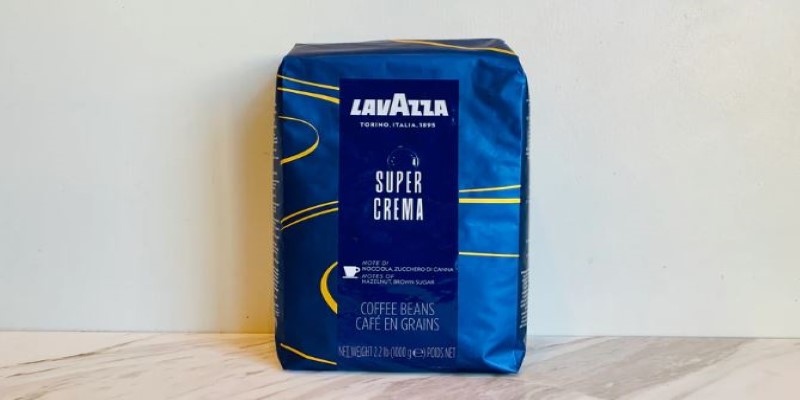
Lavazza Super Crema: Creamy, mild, well-suited for milk drinks; available in 2.2 lb bags for around $25
Intelligentsia Black Cat Espresso: Fuller flavor and smooth, $15 to $18 for 12 oz
If you’re brewing without an espresso machine, go for a moka pot or AeroPress. Both offer rich, concentrated coffee with less gear.
Upgrade Your Milk Game
A common mistake is overheating milk. It scalds the flavor and kills the foam.
Best milk options:
Whole milk makes the creamiest foam
Oatly Barista Edition for non-dairy (holds microfoam well)
Califia Farms Barista Blend Almond Milk – lighter, still froths cleanly
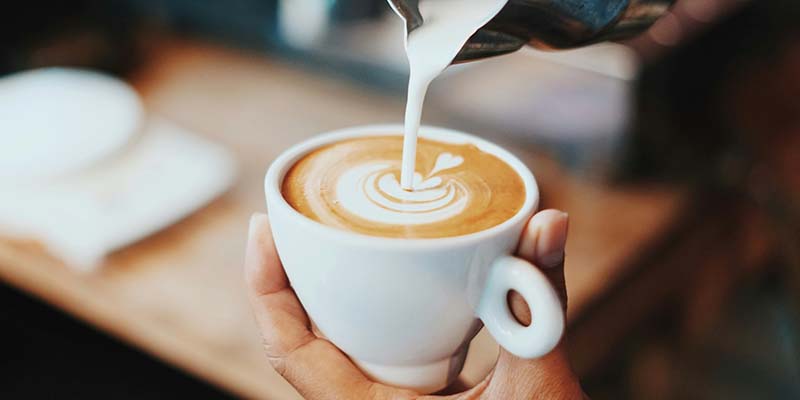
Use a handheld frother like the PowerLix (~$15) or a milk steamer pitcher (look for one with a spout for latte art control).
More Cozy Recipes To Try This Week
If you’ve got the ingredients for a gingerbread latte, you’re already close to a few other winter-ready drinks.
Cinnamon Maple Cappuccino
Ingredients:
1 double-shot espresso
6 oz milk
1 tsp maple syrup
¼ tsp cinnamon
Steam milk with maple syrup and cinnamon. Pour over espresso. Sprinkle cinnamon on top.
Cardamom Mocha Latte
Ingredients:
1 shot espresso
6 oz milk
1 tbsp cocoa powder
½ tsp cardamom
1 tsp sugar (or to taste)
Heat and froth the milk with cocoa, cardamom, and sugar. Pour over espresso. Chocolate and spice blend beautifully.
These are fast to prepare and use the same base tools and methods.
Pour-Over Or Espresso? Flavor Differences For Lattes
For spice lattes, espresso or moka-style coffee works best. Pour-over tends to be lighter, more acidic, and can clash with heavier flavors like molasses or ginger.
Use pour-over for floral or citrusy notes. It works better with simple syrups like honey or lavender, not with heavier ingredients.
When to use a Moka pot: You want bold, espresso-style flavor without the price tag or space needs of a machine.
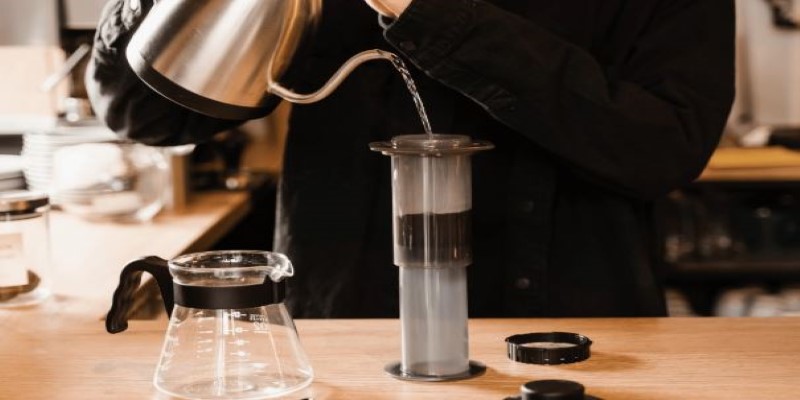
When to use AeroPress: Ideal for travel or fast cleanup, with slightly less body than a Moka pot but still good concentration.
Best Time To Make Gingerbread Lattes
Morning or late afternoon. The spices wake up your senses without being too strong for an empty stomach. They also hold up well if you want to serve a batch with dessert or brunch.
Want a cold version? Use the same ingredients, but chill the spiced milk after heating. Shake with espresso and ice. Pour into a tall glass.
Worthwhile Accessories That Improve Every Cup
You don’t need a full espresso bar, but a few tools make repeatable, quality drinks easier.
Digital scale: Hario or Timemore (~$20–40). Accurate dosing avoids bitter or weak coffee.
Gooseneck kettle: Fellow Stagg EKG or Cosori (~$70–165). Great control for moka or pour-over water flow.
Coffee canister: Airscape or Fellow Atmos (~$30–40). Keeps beans fresh longer.
Knock box: Breville or Dreamfarm Grindenstein (~$20). Cleaner used-puck disposal.
Each tool adds consistency, which means fewer ruined cups and better long-term flavor.
Final Thoughts: Try It, Then Build On It
Start with the gingerbread latte recipe. It’s simple, customizable, and doesn’t require an espresso machine. Once you’ve dialed in the spice and milk balance, try it iced or switch to maple and cardamom blends.
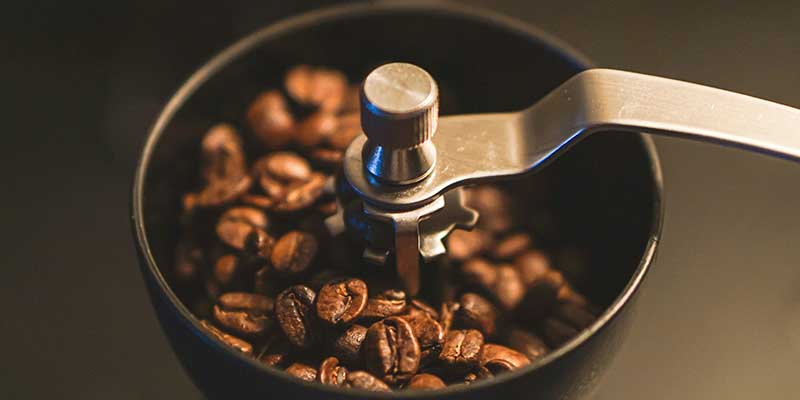
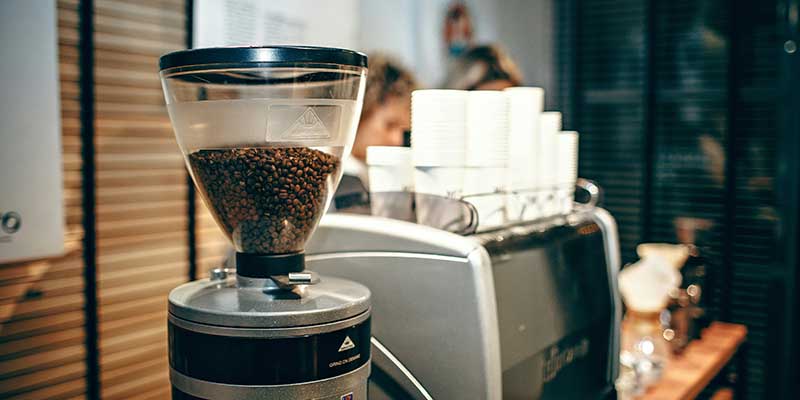
If you're enjoying the flavor and want a smoother texture or stronger aroma, investing in a grinder or upgrading your brewing method makes a noticeable difference.
Your next step: compare beans, try a new recipe, or swap in a moka pot if you’re still using instant. Great coffee at home isn’t about complexity—it’s about having the right tools and knowing what to adjust.
You May Like
-

-
Coffee
How to Make a Real Cappuccino Without an Espresso Machine
-
Coffee
Your Coffee Beans Changed and Your Brew Tastes Off. Here’s How to Fix It.
-
Coffee
2026 Coffee Grinder Trends: Smarter, Faster, and More Consistent Machines
-
Coffee
Don't Buy That Coffee Maker: See This Unexpected $50 Alternative First
-
Recipe
The Only 9 Coffee Drinks You Need To Master Before This Weekend