Coffee
The #1 Reason Your Coffee Tastes Burnt (And How To Fix It Forever)
Author:Tooba
|
Released:October 4, 2025
Burnt coffee is one of the most common complaints from home brewers. The flavor is bitter, flat, and unpleasant. If you’re constantly dumping your cup halfway through or adding extra cream just to mask the taste, it’s time to fix the root of the problem.
The most likely culprit is water temperature. It’s either too hot, too inconsistent, or both.
The Problem With Overheating
Water that’s too hot scorches the coffee grounds. This pulls out bitter compounds and destroys delicate oils that give coffee its depth and complexity. Most automatic drip machines overheat water, especially budget models.
Ideal brewing temperature for coffee sits between 195°F and 205°F. Anything higher, and you risk a sharp, burnt aftertaste. Many standard coffee makers boil water to 212°F or fail to maintain a stable range.
If you’re not using a thermometer or a kettle with temperature control, chances are you’re brewing too hot.
How To Control Temperature Properly?
To avoid burning your coffee, you need more control over the brewing process. Here are three solutions, depending on how much you’re willing to invest:
Use A Gooseneck Kettle With Temperature Control
A precision kettle makes a massive difference. The Fellow Stagg EKG ($165) is one of the most reliable options. It heats to the exact temperature you set and holds it steady.
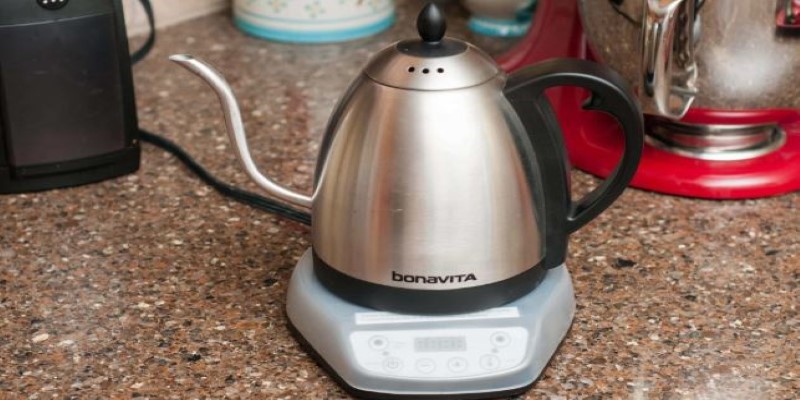
Another solid choice is the Bonavita Variable Temperature Kettle (around $95), which offers slightly fewer features but still delivers accuracy.
Target 200°F for medium roast and 195°F for light roast. Dark roast coffee usually benefits from water closer to 190°F to preserve sweetness.
Switch To Manual Brewing Methods
Manual brewing gives you full control over temperature, time, and agitation. French press, pour-over, and AeroPress are all great choices.
The Hario V60 pour-over cone ($12–$25) is a favorite among enthusiasts. Pair it with a gooseneck kettle for precise pours.
The AeroPress ($40) is versatile and forgiving, with less bitterness than standard drip machines. It brews with slightly lower pressure and shorter contact time, avoiding that scorched flavor.
Upgrade Your Coffee Maker
If you prefer push-button convenience, look for a machine certified by the Specialty Coffee Association (SCA), like the Breville Precision Brewer ($329) or the Technivorm Moccamaster ($359+). These keep water within the ideal temperature range automatically.
Avoid models under $100 unless they specifically advertise temperature control.
Grinder Choice Also Matters
Burnt taste can come from the grind, especially if you’re using a blade grinder. Blade grinders create uneven particles, some of which over-extract and turn bitter.
Switch to a burr grinder for consistency. The Baratza Encore ($149) is a top choice for beginners. It’s durable and easy to adjust.
If you're looking for a manual option, the 1Zpresso JX-Pro ($159) offers excellent grind quality without the noise or footprint of an electric model.
Beans That Don't Burn
Lighter roasts are less prone to bitterness and burnt flavor. Look for beans labeled “light” or “city roast.” Medium roast can work well too, especially if you dial in the water temperature.
Some recommended roasters that consistently produce clean, non-bitter profiles:
Onyx Coffee Lab – Known for juicy, complex light roasts
Verve Coffee Roasters – Balanced medium roasts with great clarity
Counter Culture Coffee – Widely available and roasted for freshness
Stick with whole bean coffee and grind just before brewing. Pre-ground beans lose their oils and can taste stale or sharp, especially if exposed to moisture or heat.
Recipes That Eliminate Burnt Flavor
Here are coffee recipes that give you better control and consistent flavor at home.
AeroPress Sweet & Clean Brew
You’ll need:
AeroPress
Burr grinder
16g medium-fine ground coffee
220g water at 195°F
Steps:
- Insert filter, rinse with hot water.
- Add coffee, start timer.
- Pour 220g of water over 15 seconds.
- Stir once, then place the plunger in and pull up slightly to seal.
- At 1:15, press gently for over 30 seconds.
Expect a smooth cup with low bitterness and no burnt notes.
Hario V60 Floral Pour-Over
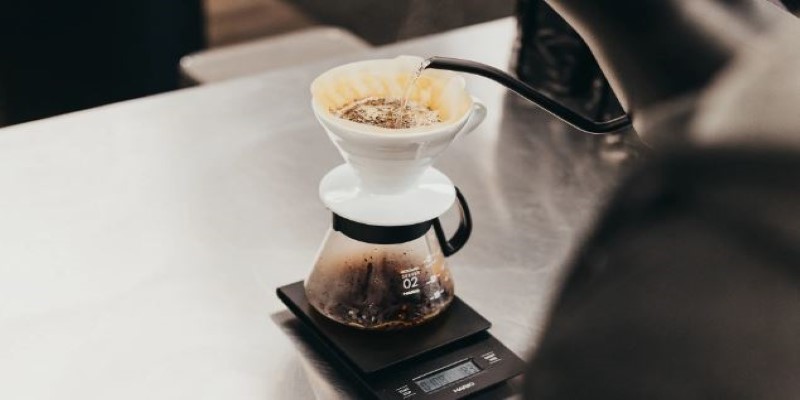
You’ll need:
Hario V60 cone
Gooseneck kettle
18g medium grind coffee
300g water at 200°F
Steps:
- Rinse the filter with hot water.
- Add coffee and bloom with 40g of water for 30 seconds.
- Pour in 3 stages: 100g, 100g, 60g over the next 2 minutes.
- Total brew time should be around 2:30 to 3 minutes.
This method brings out subtle fruit and floral notes, especially with light roasts.
French Press Low-Burn Extraction
You’ll need:
French press
30g coarse-ground coffee
500g water at 195°F
Steps:
- Add coffee to the press, start the timer.
- Pour in all the water at once.
- Stir gently, place the lid without pressing.
- Steep for 4 minutes.
- Press down slowly and serve immediately.
Using cooler water and a coarse grind reduces over-extraction, leaving a fuller, smoother flavor.
Other Fixes That Help
Clean your gear: Old oils and residue can create off-flavors. Descale your coffee maker every 2–3 months if you use hard water. Rinse your grinder to remove stale grounds.
Store beans properly: Keep them in an airtight container away from light, heat, and humidity. Avoid clear jars on countertops. Use something like an Airscape container ($29–$39).
Weigh your coffee: Eyeballing scoops leads to inconsistency. A digital scale like the Timemore Black Mirror Basic ($55) ensures accurate ratios.
Try different ratios: Too much coffee or too fine a grind can exaggerate bitter notes. Start with a 1:15 ratio (1g coffee per 15g water) and adjust based on taste.
Which Brewing Method To Choose?
- If you want full control and the best flavor clarity, go with pour-over.
- If convenience is key but you still want better coffee, invest in an SCA-certified drip machine.
- If you want versatility and a compact setup, get an AeroPress and a quality kettle.
- Every method has strengths, but none can hide the effects of overheated water or poor grind quality.
Conclusion: Fix The Heat First
Burnt coffee isn't a mystery. Most of the time, it's heat-related. Once you manage water temperature and grind consistency, you’ll notice immediate improvement in every cup.
The next step is simple: choose a better kettle, test one of the recipes above, or upgrade your machine if it's not up to the job. You don’t need to overhaul your entire kitchen. Just one good change will fix the burnt taste for good.
Then you can focus on exploring better beans, tools, and techniques—without fighting through bitter, overcooked brews.
You May Like
-

-
Coffee
Instant Coffee Can Taste Great. You're Probably Doing It Wrong
-
Coffee
10 Best Gadgets and Accessories to Delight Coffee Lovers
-
Coffee
Best Coffee Tampers for Espresso Beginners: 5 Picks for Consistent Shots
-
Guide
Save Time & Money: The Ultimate Guide To Perfect Drip Coffee Every Day
-
Guide
The #1 Reason Your Coffee Tastes Burnt (And How To Fix It Forever)