

Guide
Lemon Coffee Guide: Brighten Your Summer with a Refreshing Twist
Author:sana
|
Released:November 26, 2025
I used to think lemon and coffee were a terrible mix. Coffee is warm, bitter, and comforting; lemon is sharp, tangy, and electric. But in the heat of summer, I finally tried it - and wow. That little hit of citrus brightens every sip and turns a regular cup into something unexpectedly lively.
Think of it this way: we add lemon to tea to cut tannins, and acidity in cooking makes flavors pop. Coffee works the same way. It’s essentially a "coffee mocktail", a non-alcoholic drink that balances sophistication, complexity, and refreshment.
This isn’t just a TikTok fad. In the 1840s, French soldiers in Algeria drank Mazagran: strong coffee concentrate mixed with cold water and lemon to beat the heat when milk or cognac wasn’t available. It later spread to Portugal (still called Mazagran) and Italy (Caffè Romano). We’re not reinventing the wheel, just perfecting it for modern summer sipping.
Why This Combo Just Works
You don’t need a chemistry degree to understand why this pairing works, but a little taste trick helps explain the magic.
1. The Bitterness Buffer
Coffee is naturally bitter. Lemon is naturally acidic. When these two meet, the acidity of the lemon actually rounds out the harsh edges of the coffee. If you’ve ever had a cup of coffee that felt a bit "heavy" or "muddy," lemon acts like a flashlight in a dark room—it brightens everything up.
2. Mimicking the "Expensive" Stuff
In the specialty coffee world, the most prized beans (like those from Ethiopia or Kenya) are celebrated for their natural citrus and floral notes. By adding actual lemon to a standard brew, you are essentially "hacking" your palate to experience that high-end, bright acidity. It can even save a batch of over-extracted coffee by masking the burnt notes with fresh citrus oils.
3. The Power of the Peel
While the juice provides the "sour," the yellow skin (the zest) provides the soul. Lemon peel is packed with essential oils. When you twist a piece of peel over your glass, you’re releasing aromatics that hit your nose before the liquid hits your tongue. This creates a multi-sensory experience that makes a $2 home-brew taste like a $12 craft cocktail.
The "Daily Driver" (Lemon Iced Cold Brew)
This is the fastest way to get a drink in your hand. It’s light, crisp, and incredibly easy to scale up if you’re hosting friends.
Ingredients
- 120ml Cold Brew Concentrate: This needs to be strong. If you use standard watered-down coffee, the lemon will drown it out.
- 120ml Lemon Water: You can use high-quality store-bought or make your own by mixing 100ml water with 20ml fresh lemon juice.
- 10g Honey or Simple Syrup: Adjust this based on your sweet tooth.
- Heavy Ice: Fill the glass to the brim.
- Garnish: A thick lemon wheel and a sprig of fresh mint.
The Build
- Prep the Glass: Fill a tall highball glass with as much ice as possible. The colder this drink is, the better it tastes.
- The Base: Pour your cold brew concentrate directly over the ice.
- The Brightener: Add your sweetener to the lemon water first (to ensure it dissolves), then pour that mixture over the coffee.
- The Agitation: Give it a gentle stir. You’ll see the coffee swirl and lighten in color—that’s the "Liquid Sunshine" effect.
- The Finish: Slap the mint sprig against your hand to release the oils, tuck it in next to the lemon wheel, and serve.
The first thing you’ll notice is the aroma of the mint and lemon. The taste is a tug-of-war between the chocolatey depth of the cold brew and the zing of the citrus. It’s light enough to drink fast, but complex enough to sip slowly.
The "Barista Pro" (Lemon Coffee Syrup Method)
If you want a drink that feels "polished", the kind of thing you'd pay top dollar for at a downtown cafe, this is your method. Making a specific lemon syrup ensures the texture is silky and the flavors are perfectly integrated.
Ingredients
- The Coffee: 2 fresh shots of Espresso (approx. 60ml) or 60ml of very intense Cold Brew concentrate.
- The Lemon Syrup:
- 30ml Fresh lemon juice (about half a large lemon)
- 20g Granulated sugar
- 30ml Water
- Large strip of lemon zest (avoid the white pith)
- The Dilution: 60ml Sparkling water (optional, for a "fizzy" version)
- The Secret Weapon: A tiny pinch of sea salt.
The Build
- Make the Syrup: In a small pan over low heat, combine the sugar, water, and lemon zest. Stir until the sugar is gone. Don't let it boil hard; you just want to infuse the lemon oils into the sugar. Remove from heat, stir in the fresh lemon juice, and let it cool completely.
- The Salt Hack: Add a tiny pinch of salt to your coffee. Salt suppresses bitterness and makes the citrus notes taste "juicier."
- The Assembly: Pour 30ml of your cooled lemon syrup into a glass filled with fresh ice.
- Layering: Pour your espresso or concentrate over the syrup. If you want a "layered" look, pour it slowly over the back of a spoon.
- The Spritz: Top with sparkling water if you want those refreshing bubbles.
- The Twist: Take a fresh piece of lemon peel, "express" it (squeeze it so the oils spray) over the top of the drink, and drop it in.
This version is much richer. The sugar in the syrup gives the drink a "body" that feels more like a cocktail. The salt makes the lemon pop against the coffee, creating a vibrant, electric finish that lingers on the tongue.
The Flavor Lab: Creative Variations
Here are some of the best variations, tested and recommended by baristas and serious coffee nerds:
The "Sparkling Lemonade Espresso"
Instead of plain water, use a good-quality lemonade and tonic water. The ratio: 1 part espresso, 2 parts lemonade, 1 part tonic.
Add ice cubes gradually so the fizz doesn’t overflow, and try garnishing with a thin lemon wheel for extra aroma.
The quinine in the tonic adds a gentle bitterness that balances the sweetness of the lemonade and the natural bitterness of coffee. It’s crisp, bright, and incredibly refreshing — perfect for a summer afternoon when you need a caffeine boost but don’t want something heavy.
The Asian-Inspired "Yuzu Brew"
If you can get Korean yuzu marmalade (yuja-cheong), a tablespoon can replace standard lemon syrup.
Yuzu brings floral, complex citrus notes with a touch of sweetness and tartness. Pair it with a medium-roast Brazilian coffee that has nutty undertones for a layered, sophisticated cup.
Warm the marmalade slightly before stirring — it dissolves better and releases a stronger aroma.
The Berry-Lemon Fusion
Mix a teaspoon of blackberry or raspberry jam into hot coffee before pouring it over ice and adding lemon.
The deep fruit notes highlight the chocolatey or earthy tones in coffee, while the lemon keeps it bright and prevents it from feeling too heavy or syrupy.
Extra touch: A few fresh berries on top make the drink look fancy and add bursts of natural sweetness.
The Spiced Orchard
Add a dash of cinnamon or a lightly bruised rosemary sprig to your iced coffee.
Rosemary adds an herbal, savory backbone, while cinnamon brings warmth. The combination makes the drink feel artisanal and elevated — earthy, fragrant, and lively at the same time.
Serving tip: Gently bruise the rosemary before adding it to release essential oils, and consider a tiny sprinkle of orange zest to tie it all together.
How to Avoid a "Disaster Drink"
Lemon coffee is a balancing act. If you get it wrong, it’s undrinkable. If you get it right, it’s life-changing. Here is how to stay on the right side of that line.
1. The "No Milk" Rule (Non-Negotiable)
This is the biggest mistake people make. Lemon juice is an acid. Milk is a protein. When they mix, the milk curdles instantly. You will end up with "chunky" coffee. If you absolutely must have a creamy element, use a tiny bit of coconut milk (which handles acid slightly better), but honestly? Just skip the dairy. This drink is meant to be a "black" coffee variation.
2. Don’t Skimp on the Coffee Strength
The biggest complaint about lemon coffee is that it tastes like "watery lemon juice." This happens because people use standard drip coffee. You need a concentration. Use a 1:4 ratio for your cold brew or use actual espresso. The coffee needs enough "weight" to stand up to the sharp citrus.
3. Yellow vs. Green
A yellow Lemon is your best friend—it's bright, sunny, and predictable. A Lime is a different beast entirely. Limes are more "aggressive" and can make the coffee taste a bit like a Margarita gone wrong. Stick to lemons until you’re a pro, then experiment with limes for a more "tropical/sour" punch.
4. Watch the Pith
When you are peeling your lemon for a twist or making syrup, avoid the white part (the pith). The pith is intensely bitter in a "chemical" way that will ruin the drink. You only want the yellow skin.
5. Freshness is Everything
Do not use that plastic squeeze-bottle lemon juice. It has preservatives and a "flat" taste that will make your coffee taste metallic. Buy a real lemon. It’s worth the 50 cents.
Your Go-To Recipe for the Ideal Glass
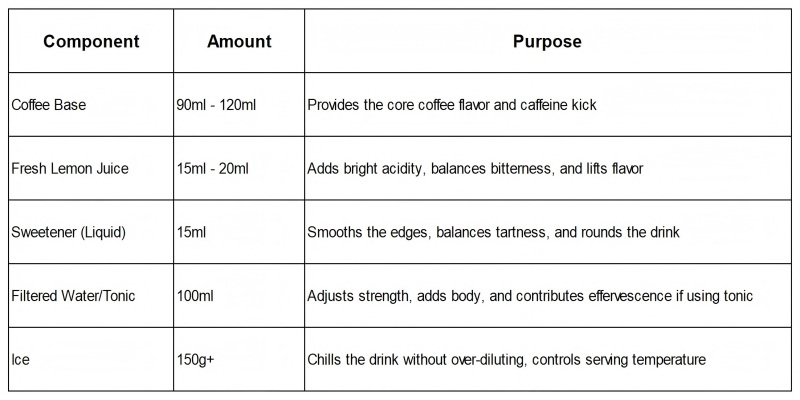
For those who want to get precise, here is the "Golden Ratio" table for a standard 12oz (350ml) glass:
Summary of the Craft
Lemon coffee is more than just a weird combination; it’s a lesson in flavor balance. It’s about taking two things that shouldn't work and finding the middle ground where they harmonize. It’s the perfect drink for an 85-degree day when you need the caffeine but can't stomach the thought of a hot beverage or a heavy milkshake-style frappuccino.
Next time the sun is blazing, and you’re staring at your coffee maker, skip the usual. Grab a lemon, some ice, and get ready for your idea of coffee to be completely rewritten.
You May Like
-

-
Guide
Your Coffee Storage Is Wrong: The 5 Things You Must Avoid Immediately
-
Guide
The #1 Reason Your Coffee Tastes Burnt (And How To Fix It Forever)
-
Recipe
Irish Coffee: Skip The Bar And Make The Authentic Pro Recipe At Home
-
Recipe
Skip The Drive-Thru: Make A Perfect Frappe At Home In Under 5 Minutes
-
Guide
The Secret To Starbucks Cold Foam: Make It At Home With No Special Tool