Coffee
Save Time & Money: The Ultimate Guide To Perfect Drip Coffee Every Day
Author:Tooba
|
Released:November 20, 2025
Drip coffee doesn’t have to be bland. With a few smart upgrades and recipe tweaks, you can get café-quality results without spending a fortune or wasting time. This guide covers brewing methods, gear worth buying, and three high-flavor recipes for your morning routine.
Start With The Right Machine
If you're still using a $20 plastic brewer from a big-box store, it's probably holding you back. Water temperature, saturation, and brew time all affect extraction, and cheap machines often heat unevenly or brew too quickly.
When choosing a new home drip coffee maker, look for:
Adjustable brew temperature (195–205°F is ideal), even water dispersion over grounds, and a programmable start or bloom time.
Consider capacity versus counter space, carafe type (thermal vs glass), and how easy it is to clean - many machines fail in real life because they are tedious to maintain.
Top Picks For Home Drip Machines
Breville Precision Brewer ($299)
Offers precise temperature control, customizable bloom time, and multiple modes for Gold Cup standard, strong coffee, or iced coffee. It’s ideal if you like experimenting with different roast levels or pour-over styles but want automation.
The drip tray is removable for easy cleaning, the machine can brew a half-pot without losing flavor, and its preset modes save time on busy mornings.
Technivorm Moccamaster KBG ($359)
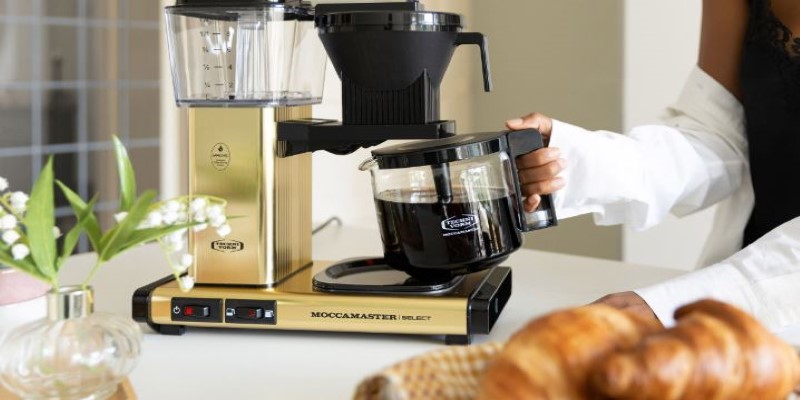
Durable metal housing, brews a full 10-cup pot in six minutes at a consistent 200°F. The water outlet arm moves in a zigzag to saturate all grounds evenly—key for avoiding weak or bitter spots.
No waiting around for heat-up, and coffee stays hot without reheating. Best for households that drink multiple cups in one go and value reliability over bells and whistles.
OXO Brew 8-Cup Coffee Maker ($179)
Compact SCA-certified machine with a thermal carafe. It has a rainmaker showerhead for even extraction, programmable start, and simple interface.
Ideal for small kitchens or single-cup households, and the thermal carafe keeps coffee drinkable for hours without overcooking. Cleaning is straightforward, with most parts dishwasher-safe.
For daily brewers, these machines reduce guesswork and improve consistency. Think about your routine: single-cup mornings, multiple-person households, counter space, and cleaning habits - matching these with the machine’s features ensures you get value beyond just better taste.
Choose Beans That Actually Match Your Taste
Most pre-ground supermarket blends are roasted too dark or stale by the time you brew them. Better drip coffee starts with better beans.
When selecting beans, check the roast date (ideally within the past 2-3 weeks) and roast level. Light to medium roasts preserve fruity and floral notes, while darker roasts emphasize chocolate and caramel flavors but can mask origin characteristics.
Consider your preferred brew method: flat-bottom filters highlight clarity, while cone-shaped filters and thermal brewers extract more body.
Stumptown Hair Bender ($16-$18/12 oz)
A balanced blend with chocolate, cherry, and toffee notes. Works well in both glass carafes and thermal drip machines. Best for people who want a versatile coffee that performs consistently whether brewed as a full pot or single batch. Its medium roast handles slight variations in grind size without tasting sour.
Verve Streetlevel ($18-$21)
Medium roast with stone fruit and honey. Shows great clarity when brewed through a flat-bottom filter, making it ideal for machines with showerhead dispersion. To get the most out of its bright notes, grind just before brewing and use filtered water at 200°F.
Counter Culture Big Trouble ($15-$17)
A crowd-pleaser with nutty, caramel notes and low acidity. Forgiving and easy to dial in, making it suitable for daily brewing or beginners experimenting with grind size and brew ratios.
Always buy whole beans and grind immediately before brewing - coffee loses flavor rapidly within 15 minutes of grinding. Match your grind size to your drip machine: finer for thermal or small-batch brewers, coarser for full pots, to balance extraction and avoid bitterness.
Grinder: Non-Negotiable For Flavor
Using pre-ground coffee in a good machine is like putting low-grade fuel in a sports car. If your brew tastes weak, sour, or bitter, the culprit is usually grind consistency.
Baratza Encore ($149)
Reliable entry-level burr grinder. Designed for medium grind size used in most drip brewers. Practical tip: start at setting 14–16 for flat-bottom drip filters and adjust slightly finer for thermal carafes. Its straightforward design makes cleaning easy—brush out residual grounds weekly.
Fellow Opus ($195)
Compact and quiet with 41 settings. Excellent for pour-over or automatic drip. Ideal if you like experimenting with grind size; the extra settings let you fine-tune extraction to highlight fruity or chocolate notes. Its small footprint works well in apartments or crowded counters.
Breville Smart Grinder Pro ($199)
Digital timer and dosing make it easy to replicate settings consistently. Works for espresso too, so you can share one grinder for multiple brew methods. Tip: use the programmable shot timer for batch brewing, ensuring uniform strength across multiple pots.
For everyday use, grind your beans right before brewing and measure them consistently. Give your grinder a quick clean every week to avoid old grounds affecting flavor.
Small changes in grind size make a big difference - coarser for a full pot that brews longer, a bit finer for a shorter batch or thermal carafe. A reliable grinder ensures each cup tastes how it’s supposed, often more than the fancy machine you pair it with.
Filters And Water: Small Tweaks, Big Results
Use oxygen-bleached paper filters or a reusable gold mesh filter.
Brown paper filters can leave a papery taste unless you rinse them thoroughly with hot water before brewing. Gold filters let more oils through, giving fuller body, but may let some sediment slip into the cup.
Water quality is just as important as the beans.
Use filtered water with balanced minerals—too soft or distilled water produces flat coffee, while overly hard water can taste harsh. Aim for 75–150 ppm total dissolved solids; if that sounds complicated, a Brita or Soma pitcher usually gets you close.
For best results, pour water evenly over the grounds, pre-wet filters, and avoid using water that’s just boiled; let it rest 30–45 seconds to reach the ideal 195–205°F brewing range.
Classic Drip With Clarity
This recipe works best with flat-bottom filters and medium-light beans.
What do You Need?
30g coffee (medium grind)
500g water at 200°F
Flat-bottom filter, like Kalita Wave or basket-style
Steps
- Insert filter and rinse with hot water.
- Add coffee and level the grounds.
- Start the brewer. If using a manual switch (like on a Moccamaster), let it bloom for 30 seconds, then stir gently before flipping the switch.
- Brew time should be 4–5 minutes total.
Flavor
Clean, balanced, bright. Add a 1:1 ratio of hot water after brewing if it’s too strong for your taste.
Japanese-Style Iced Coffee
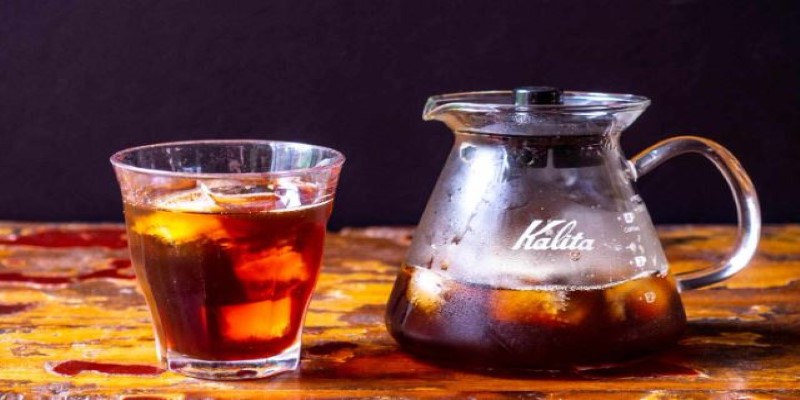
Flash-chilled, not watered down. Brew directly over ice for a crisp, cool drink with full aroma.
What Do You Need?
30g coffee (medium-fine grind)
300g hot water
200g ice cubes in the carafe
Steps
- Place ice in the carafe before brewing.
- Brew hot coffee as usual over the ice. Use a higher coffee-to-water ratio to account for dilution.
- Stir gently once finished and serve immediately.
Flavor
Bright, juicy, refreshing. Works well with Ethiopian or Kenyan beans.
Sweetened Café Au Lait
A rich, cozy option for mornings or slow weekends.
What Do You Need?
25g coffee (medium grind)
400g water at 200°F
½ cup steamed milk
Optional: 1 tsp raw sugar or maple syrup
Steps
- Brew coffee normally in your drip machine.
- Steam milk or heat on the stovetop and froth with a whisk or milk frother.
- Mix milk and sweetener into brewed coffee.
Flavor
Creamy, smooth, slightly sweet. Best with medium roast beans like Big Trouble or Guatemalan blends.
When To Use Which Method
Workday mornings are all about speed and consistency—use your drip machine’s timer or fast-brew mode so a fresh pot is ready when you wake up. Measure your beans the night before and set the grind just right to save extra minutes.
For weekend brunch, treat yourself to something different: iced coffee, café au lait, or a medium roast brewed through a flat-bottom filter highlights fruity notes. A small French press can also add texture and body without much extra effort.
Entertaining guests calls for planning: brew two batches of a crowd-pleasing blend like Hair Bender in a thermal carafe, so everyone can pour a fresh cup without waiting. Small adjustments—pre-wetting filters, stirring the carafe before serving—can noticeably improve flavor.
Keep it simple during busy weekdays, then switch up the experience on your schedule, matching method and beans to the moment. This approach balances convenience, taste, and versatility without overcomplicating your routine.
Choose One Thing To Improve First
If you're looking for better coffee without spending more every week, start with your grinder or beans. Those are the fastest upgrades with the biggest payoff.
Already have decent gear? Try one of the recipes and log your results. Find your favorite bean-to-water ratio and stick with it.
For many people, the difference between “okay” and “great” coffee is one or two tools and a few minutes of prep. Tweak one step at a time and see how much better your daily cup can be.
You May Like
-

-
Coffee
Mastering Cold Brew Coffee Concentrate A Complete Guide to Making and Enjoying it at Home
-
Guide
2026 Coffee Tech Trends: Smart Machines and Connected Brewing
-
Coffee
Don't Buy That Coffee Maker: See This Unexpected $50 Alternative First
-
Recipe
Dalgona Coffee (Whipped): The Viral Recipe Is Easier Than You Think
-
Recipe
Your Favorite Coffee Shop's Oat Milk Latte: The Simple Recipe Revealed