Coffee
The Easiest Mocha Recipe: Just 3 Ingredients For A Decadent Treat
Author:Tooba
|
Released:November 25, 2025
Great coffee doesn’t need a dozen ingredients or a $1,500 espresso machine. If you’re craving a café-style mocha at home, you can make one in minutes using three basic ingredients. No syrups, powders, or steep learning curve. Just strong coffee, chocolate, and milk.
Once you’ve got the base down, it’s easy to upgrade flavor, texture, and technique. Here’s how to get started with the core recipe, then build up to something richer with a few smart tools and tweaks.
3-Ingredient Mocha Recipe
This version is fast, inexpensive, and flexible. It works with brewed coffee or espresso, any milk you like, and your choice of chocolate.
Ingredients
½ cup strong brewed coffee or 1–2 shots of espresso
½ cup milk (dairy or non-dairy like oat, almond, or soy)
2 tablespoons chocolate chips or chopped chocolate
Instructions
Warm the milk in a small saucepan over low heat.
Add the chocolate and stir until fully melted and smooth.
Pour in the coffee or espresso, stir again, and serve hot.
You can double the chocolate for a thicker texture or use dark chocolate for a less sweet finish. If you're using a microwave, heat the milk and chocolate together in 30-second intervals, stirring each time.
Best Tools To Upgrade Your Homemade Mocha
Even with three ingredients, the right tools make a difference in taste and consistency. Small upgrades can transform a simple mocha into a café-quality drink. Here’s what to consider.
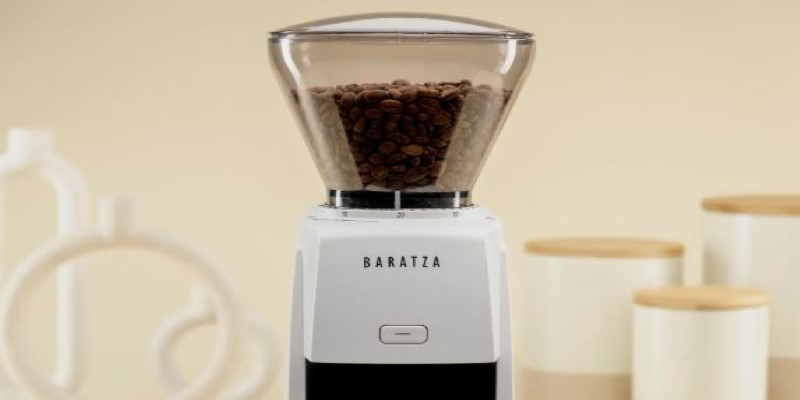
Grinder: Baratza Encore ($150-$170)
If you're using brewed coffee instead of espresso, a consistent grind improves flavor dramatically. Uneven grinds can cause over-extraction or under-extraction, which affects the balance of sweetness and bitterness in your mocha.
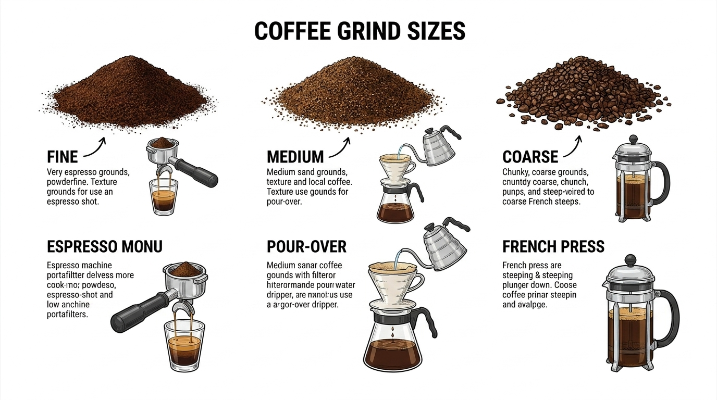
The Baratza Encore is reliable, durable, and easy to adjust. For mocha, a medium-fine grind works best—finer than typical drip coffee, coarser than espresso.
Tips & Notes:
Grind just before brewing to preserve aroma and flavor.
Clean the grinder regularly to avoid old coffee oils affecting taste.
If your mocha tastes flat or bitter, small adjustments to grind size can make a noticeable difference.
Espresso Machine: Breville Bambino Plus ($500 Range)
The Bambino Plus provides real espresso at home without a bulky setup. Its fast heat-up and automatic milk steaming make it ideal for mochas, lattes, or cappuccinos.
Tips & Notes:
Preheat the portafilter and cups to maintain coffee temperature.
Use the steam wand to create microfoam for a velvety texture.
If espresso comes out too bitter, check grind size and tamping pressure. Small tweaks often improve flavor significantly.
Rinse the steam wand immediately after each use to prevent milk residue buildup.
Frother: Nespresso Aeroccino 4 ($120-$130)
Frothy milk brings your mocha closer to café quality. The Aeroccino works with dairy or plant-based milk and creates smooth, consistent foam with minimal effort.
Tips & Notes:
Fill only to the maximum indicated level; overfilling can overflow.
Slightly warm the milk before frothing for better texture.
Rinse promptly after use to avoid milk residue hardening.
Works best with medium-fat milk; very low-fat or unsweetened plant milk may froth less.
Milk Pitcher: Fellow Eddy ($30–$35)
For those preferring manual control over milk pour and texture, this pitcher balances ergonomics with easy cleanup. Not essential, but helpful when steaming milk manually.
Tips & Notes:
A narrow spout improves precision for latte art or layered mochas.
Pour slowly at first, then lift slightly to finish with a smooth surface.
Stainless steel retains heat well, but avoid leaving hot milk inside for long periods—it can alter flavor.
Choosing The Right Chocolate
Use real chocolate, not flavored syrup. Chocolate chips work fine, but higher-quality bars make a richer, smoother drink and melt more evenly.
Lindt 70% Dark melts cleanly and adds depth without too much bitterness, making it a great choice if you prefer a balanced mocha.
Ghirardelli Semi-Sweet Baking Chips are easy to find and give a classic sweet mocha flavor. They hold their shape well and blend smoothly if stirred into warm milk.
Valrhona 66% Feves are more expensive but melt better than chips, delivering strong cocoa notes and a professional-quality flavor.
If using chocolate bars, chop them finely before adding to milk to help them melt evenly and prevent clumps.
Avoid cocoa powder for this recipe; it changes texture and requires extra sugar.
Stir continuously while melting chocolate to avoid scorching.
Slightly warming the milk before adding chocolate can improve smoothness and prevent separation.
Brew Methods Compared: What Works Best In A Mocha?
Different brew styles give your mocha a different character. Here’s how they stack up:
Espresso (From A Machine)
Best for rich, concentrated flavor. Works great with steamed milk. Ideal if you have a machine or plan to get one.
Use freshly ground beans for maximum aroma and flavor, and preheat your portafilter and cups to maintain temperature. If the espresso tastes too bitter or weak, small adjustments to tamping pressure or grind size can help. Short shots work best for mochas to balance the chocolate sweetness.
Moka Pot (Like The Bialetti Express, $30–$50)
Brews strong, espresso-style coffee without a machine. Slightly more bitter but excellent for cutting through chocolate sweetness.
Fill the bottom chamber with water just below the safety valve, and use a medium-fine grind to avoid clogging or under-extraction. Remove from heat immediately after brewing to prevent bitterness.
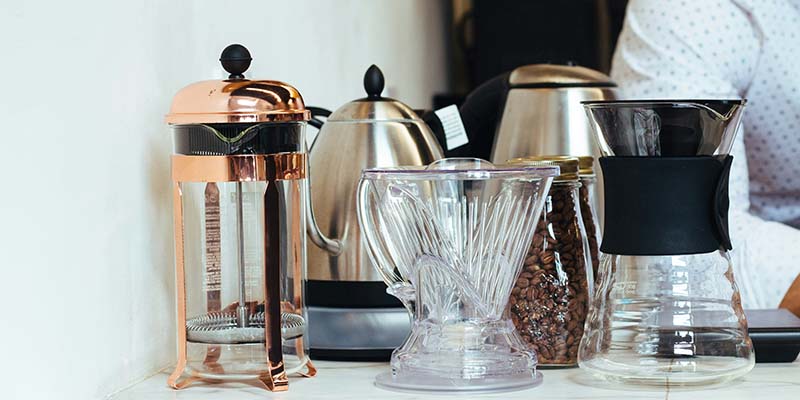
French Press
Easy to use and makes strong coffee, but can be oily or muddy if over-extracted. Use a dark roast for balance.
Steep for 4–5 minutes and stir gently before pressing to ensure even extraction. Pour immediately after pressing to avoid a muddy texture.
More Recipes To Try At Home
Once you’ve mastered the basic mocha, try these simple variations using tools you already have.
Iced Mocha
Cool off with a chilled version that’s smooth and not watery.
Ingredients:
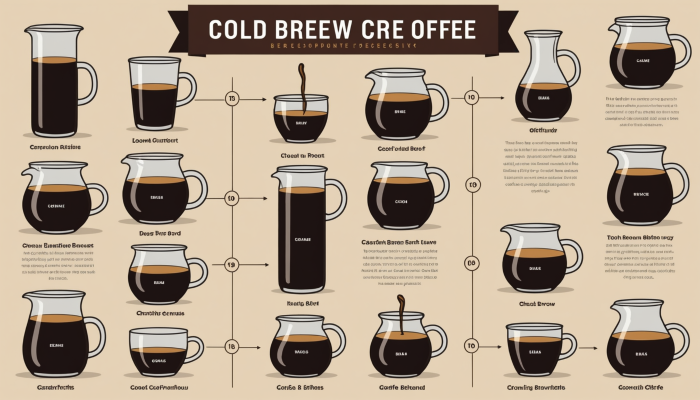
½ cup cold brew concentrate
½ cup milk
2 tablespoons melted chocolate or chocolate syrup
Instructions:
Stir everything together and pour over ice. For an extra smooth and blended result, use a shaker bottle or a mason jar with a tight lid, shaking vigorously for 20–30 seconds.
Notes & Tips:
Make cold brew in advance using coarsely ground beans and steep overnight. A 1:4 coffee-to-water ratio works well for strong flavor.
If the drink tastes too diluted after ice melts, consider using coffee ice cubes instead of regular ice.
Use slightly less milk or chocolate syrup if you prefer a less sweet version.
Spiced Mocha
Add warmth with a pinch of spice. Great for colder months.
Ingredients:
Same as base mocha
¼ teaspoon cinnamon
Pinch of nutmeg or cayenne
Instructions:
Add spices to the milk and chocolate as they melt together. Finish with a light sprinkle on top for aroma and visual appeal.
Flavor Notes & Tips:
Cinnamon pairs especially well with oat or almond milk.
Cayenne adds a subtle kick; start with a small pinch to avoid overpowering the mocha.
For a more uniform spice blend, mix spices with a teaspoon of sugar before adding to milk.
Mocha Affogato
Dessert and drink in one. Minimal prep needed beyond hot espresso and frozen ice cream.
Ingredients:
1–2 scoops vanilla or chocolate ice cream
1 shot hot espresso or ¼ cup strong coffee
Optional: drizzle of melted chocolate
Instructions:
Place ice cream in a small bowl or cup, pour espresso over the top, and enjoy immediately.
Tips & Notes:
For best flavor, use beans with nutty or cocoa notes, like Brazilian or Guatemalan roasts.
Let espresso sit for a few seconds after brewing to slightly cool; pouring boiling coffee directly over ice cream may melt it too fast.
Drizzling melted chocolate adds richness and visual appeal.
Bean Recommendations For Mocha Lovers
Chocolate pairs best with smooth, lower-acidity beans. Avoid citrusy or floral profiles, as they can clash with the richness of chocolate. Choosing the right bean is key to a balanced, flavorful mocha.
Stumptown Hair Bender: Rich and balanced with chocolate and toffee notes. Works well for both espresso and brewed coffee. ($15–$18 per 12 oz)
Counter Culture Big Trouble: Mellow and nutty, making it ideal for milk-based drinks like mocha or latte. ($16–$17)
Peet’s Major Dickason’s Blend: Widely available, dark roast with bold flavor. Great for cutting through chocolate sweetness. ($10–$12)
Buy whole beans and grind fresh if possible; pre-ground coffee loses aroma quickly.
Store beans in an airtight container away from heat, light, and moisture to preserve flavor.
Experiment with small amounts of different roasts to find the balance you like best for your chocolate choice.
Should You Use Syrups?
You don’t need them. Most chocolate syrups are sugar-heavy and can taste artificial. If you want to sweeten your mocha, better options include:
-
Real maple syrup
-
Honey (adds subtle floral notes)
-
Coconut sugar
Start with a small amount of sweetener; it’s easier to add more than to fix an overly sweet mocha.
Natural sweeteners work best when the chocolate quality is high; low-quality chocolate can taste bitter even with syrup.
Stir sweeteners thoroughly into hot milk and chocolate to ensure even sweetness.
Avoid flavored syrups that may mask coffee aroma and make the drink taste artificial.
Start Simple, Then Improve What Matters
The three-ingredient mocha is easy to make and endlessly adaptable. Start with quality chocolate, fresh coffee, and milk you like. If the flavor is flat, upgrade the brew method or switch to a higher-quality chocolate.
When you're ready to go further, small investments make a big impact. A reliable grinder, a milk frother, or a better brew tool all push flavor in the right direction. Try a new recipe this week, test a different bean, or compare brewing styles. It’s not about chasing perfection. It’s about finding your favorite cup and making it again tomorrow.
You May Like
-

-
Coffee
The Ultimate Guide to Cold Brew Coffee Why Everyone Is Obsessed
-
Coffee
How to Descale a Coffee Maker with Citric Acid (Simple, Cheap, and Actually Works)
-
Coffee
Don't Buy That Coffee Maker: See This Unexpected $50 Alternative First
-
Guide
The Secret Behind Perfect Cold Brew Coffee at Home
-
Coffee
7 Coffee Accessories Under $30 You Must Own Before Tomorrow Morning