Coffee
Decaf Coffee Doesn't Have To Suck: The Ultimate Bean Buying Guide
Author:Tooba
|
Released:October 5, 2025
Most decaf tastes flat, dull, or vaguely like cardboard. That’s because most people buy low-grade beans that get stripped of flavor in the decaffeination process. But it doesn’t have to be that way. With better beans, better recipes, and a few key tools, decaf can be smooth, complex, and genuinely worth drinking.
Start With The Right Beans
Decaf doesn’t mean flavorless. You just need to know where to shop.
Look For the Swiss Water Process
This method avoids chemical solvents and preserves more of the original flavor. Brands that use it include:
Lifeboost Decaf: Organic, low-acid, single origin. $25–$30 per 12 oz.
Volcanica Decaf Sumatra Mandheling: Syrupy body, notes of chocolate and spice. $19.99 for 16 oz.
Kicking Horse Decaf (Swiss Water): Dark roast with earthy cocoa notes. $12–$15 for 10 oz.
These offer boldness without bitterness and work well in French press or espresso-style brews.
Choose A Roast Level That Matches Your Brew Method
For pour-over or drip: Medium roasts like No Fun Jo Decaf retain balance and acidity.
For French press or moka pot: Darker roasts like Fresh Roasted Coffee Sumatra Decaf give more body.
For espresso: Try Onyx Coffee Lab Decaf. It's one of the few decafs roasted specifically for espresso, with bright citrus notes and crema-friendly oils.
Brew Techniques That Make Decaf Shine
Decaf needs slightly more care to bring out its best qualities. Caffeine carries bitterness; without it, poor brewing habits get exposed.
Use A Burr Grinder
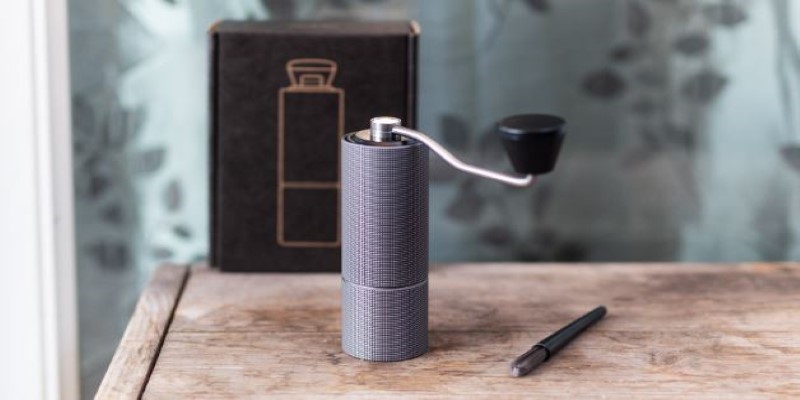
Uniform grind is essential. Blade grinders create dust and boulders, leading to sour or bitter cups. Get a conical burr grinder like the Baratza Encore ($150). For a smaller budget, the Timemore Chestnut C2 ($90) is excellent for manual brewing.
Filtered Water Only
Tap water can ruin flavor. Use filtered water at 195°F to 205°F. A gooseneck kettle like the Fellow Stagg EKG ($165) offers temp control and precision pouring for pour-over or Chemex.
Adjust Ratio
Use a 1:15 to 1:16 coffee-to-water ratio. Decaf benefits from slightly more grounds, especially in immersion methods like the French press. For a stronger cup, bump it to 1:14.
Decaf Recipes To Try Right Now
These bring out the character and body that rival any caffeinated brew.
Café au Lait (French Press + Steamed Milk)
Rich, smooth, easy to make in the morning.
18 grams of Kicking Horse Decaf (coarse grind)
270 grams hot water (200°F)
4 minutes steep time
Press, then combine with 120 grams of steamed whole milk
Optional: Add a pinch of salt to the grounds before brewing for added depth.
Decaf Cold Brew
Perfect for afternoons or summer mornings. Make a large batch and store it.
100 grams Volcanica Decaf Sumatra
1 liter of cold, filtered water
16–20 hours steep in the fridge
Strain through a fine mesh or paper filter
Serve over ice with a splash of oat milk or a cinnamon stick.
Pour-Over With Citrus Twist
Great for highlighting fruity decaf like Onyx Coffee Lab Decaf. Try it when you want something light and bright.
22 grams medium-fine ground beans
350 grams of water at 200°F
Brew in a Hario V60 or Chemex
Use 40g bloom (30 seconds), then pour in slow circles
Top with a twist of orange peel while it's hot. The oils amplify citrus notes already in the cup.
Best Gear For Decaf At Home
Decaf needs precision. These tools help you lock in flavor repeatably.
Grinders
Baratza Encore: Reliable, versatile for all brew styles
Fellow Opus: Compact and fast, under $200
1Zpresso JX-Pro: Manual, under $180, great grind consistency for espresso
Brewers
Chemex: Clean flavor, ideal for brighter decafs
French Press (Espro P7): Double-filter system reduces sludge, $130
AeroPress Go: Travel-friendly, great for experimenting with ratios
Kettles
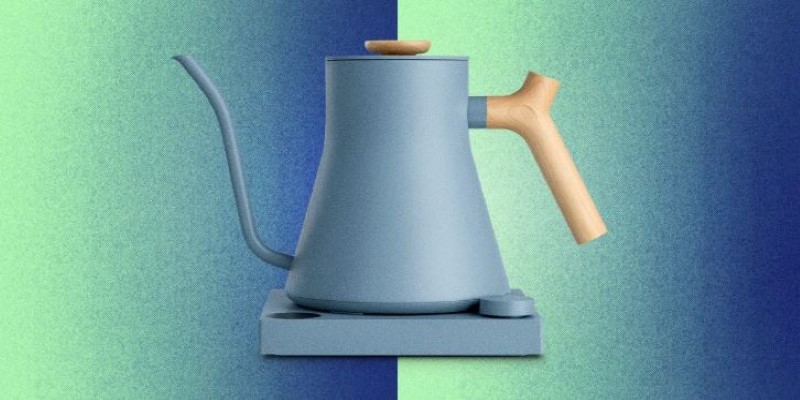
Fellow Stagg EKG: Precise temp control and gooseneck for steady pouring
Bonavita Variable Temp: More budget-friendly at $80–$100
Scales
Hario V60 Scale: Accurate to 0.1g, essential for dialing in recipes
Timemore Black Mirror: Sleek, fast response, under $60
How To Store Decaf Without Losing Flavor?
Oxygen is the biggest enemy. Decaf stales faster than regular beans.
Try to:
- Buy whole beans, not pre-ground
- Store in an airtight container with a one-way valve
- Avoid light and moisture; a dark cabinet works better than a freezer
Good containers: Fellow Atmos Canister ($30), Airscape Ceramic ($35–$40)
Try to buy in small amounts, 12 to 16 oz at a time, and grind just before brewing.
Key Differences Between Regular And Decaf Brewing
Decaf absorbs water differently. You may need:
Slightly finer grind to increase extraction
A longer bloom time (45–60 seconds) for pour-over
Slightly hotter water for darker decaf beans (closer to 205°F)
Decaf espresso often requires 1–2 more seconds of pre-infusion to avoid under-extraction. Don’t assume your usual espresso recipe works with decaf. Test and adjust.
Conclusion: How To Get Better Decaf Now
Bad decaf usually comes from bad beans, lazy brewing, or both. Fix those, and you'll taste a huge difference. Start by switching to Swiss Water Process beans. Choose the right roast for your method. Use a burr grinder and filtered water. Try one new recipe this week and experiment with ratios until it hits the right. A few smart purchases—like a good grinder or better kettle—can upgrade every cup you make.
Decaf doesn’t have to be a compromise. It can be just coffee, only smoother. Try one of the beans above, brew with intent, and start enjoying coffee again—without the jitters.
You May Like
-

-
Coffee
Sustainable Coffee Trends In 2026: From Farm To Cup
-
Coffee
Instant Coffee Can Taste Great. You're Probably Doing It Wrong
-
Coffee
Specialty Coffee Trends: Rare Beans, Functional Blends, And Creative Drinks
-
Guide
How to Store Coffee Beans for Better Flavor at Home
-
Coffee
7 Coffee Accessories Under $30 You Must Own Before Tomorrow Morning