Coffee
Turkish Coffee: The Intense, Foamy Recipe Your Kitchen Needs Today
Author:Tooba
|
Released:October 4, 2025
If you're aiming for richer, bolder coffee at home without buying a bulky machine, Turkish coffee is worth learning. It’s simple, dramatic, and delivers a thick, creamy cup with strong flavor and lingering aroma. You don’t need much to get started, but choosing the right tools and ingredients makes a real difference.
What Makes Turkish Coffee Different?
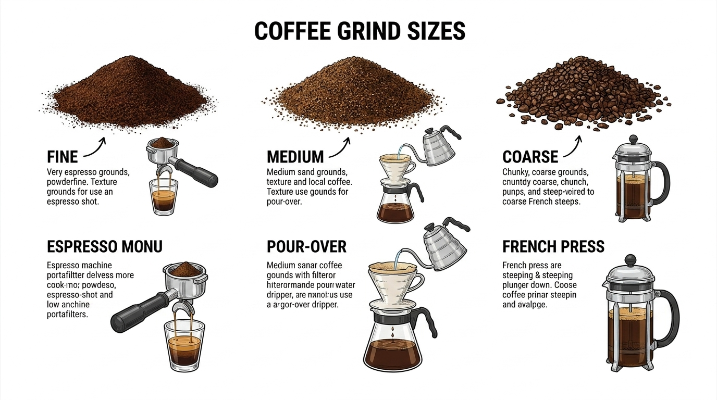
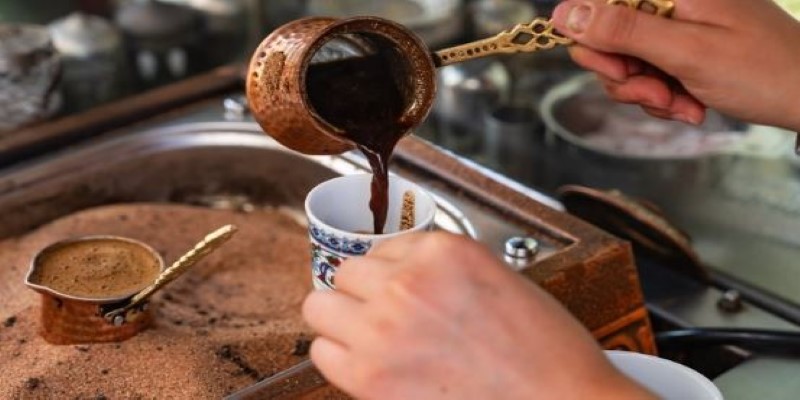
Turkish coffee uses ultra-fine ground beans, no filter, and a specific pot called a cezve. The grounds stay in the cup, and the brew is slowly heated to produce a frothy, rich surface. It’s not about speed. It’s about patience and precision.
This is not a pour-over or a press. It’s a style meant for savoring, not sipping on the go.
Best Equipment For Turkish Coffee
To get that signature foam and bold body, you'll need just a few things:
Cezve (Ibrik)
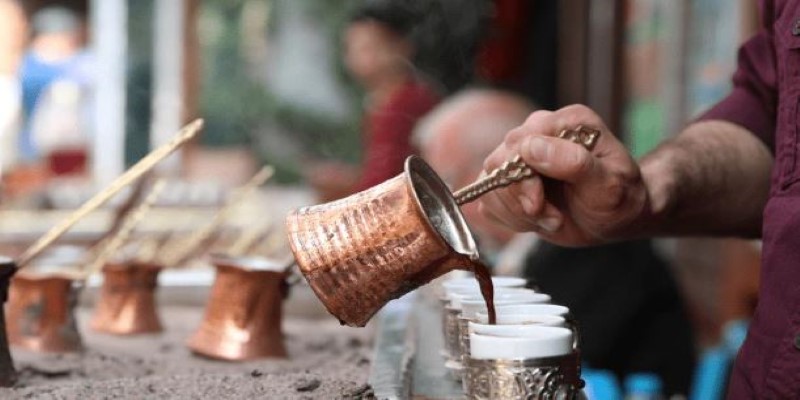
This small copper or stainless steel pot is essential. The narrow neck helps trap the foam as the coffee boils up.
Budget Option: CopperBull Copper Cezve – around $25
Premium Choice: Soy Turkish Coffee Pot (Handmade) – about $70, with a thicker base and better heat distribution
Grinder For Ultra-Fine Grounds
Standard grinders won’t cut it. You need a burr grinder that goes down to a powder-like texture.
Best for Turkish Grind: Capresso Infinity Plus ($100 range) has the extra-fine setting required.
Manual Option: Sozen Brass Grinder (around $60) is authentic and consistent, though slower.
Heat Source
A gas burner or small stovetop works fine. For travel or tight counters, the Brentwood Electric Turkish Coffee Maker ($35–$45) does the job with less hassle.
Choosing The Right Beans
Turkish coffee isn’t locked to one origin. What matters is the roast and grind. Medium roast is standard, though some prefer dark for more bitterness.
Kurukahveci Mehmet Efendi: Classic pre-ground Turkish coffee from Istanbul, available in 3.3 oz tins for about $7. Balanced and smooth.
Kaffa Ethiopia Yirgacheffe: Light floral notes. Grind yourself for better control. Pairs well with cardamom.
Intelligentsia House Blend: Slightly fruity, good when you want more brightness.
Stick with Arabica for a smoother cup, but Robusta can give you more caffeine and stronger crema.
Traditional Turkish Coffee Recipe
Ingredients
1 heaping teaspoon ultra-fine coffee per 3 oz water
Sugar (optional): none, a little, or a lot
Cardamom (optional): 1 crushed pod per cup
Cold filtered water
Steps
- Add water to your cezve based on how many cups you’re making.
- Add the coffee and sugar to the cold water. Do not stir yet.
- Stir once, gently, until mixed. Do not stir again.
- Place cezve on low heat. Let it heat slowly. You’ll see bubbles form at the edge.
- When it starts to froth and rise, remove it just before it boils over.
- Spoon the foam into your cup. Return the cezve to the heat, let it rise again. Repeat once more if desired.
- Pour the rest gently into the cup. Let the grounds settle before sipping.
Flavor Notes: Thick, earthy, and rich. Often paired with something sweet like dried fruit or Turkish delight.
More Gourmet Variations To Try
Iced Turkish Coffee (Modern Twist)
Chill without losing flavor.
What Do You Need?
1 batch of Turkish coffee
Ice cubes
Simple syrup or honey
Dash of cinnamon (optional)
Let your Turkish coffee cool slightly. Pour over ice in a short glass, stir in sweetener. Flavor holds up even when cold. Good for warm afternoons when you want intensity without heat.
Orange-Infused Turkish Coffee
Brings out chocolate and citrus notes.
How To Do?
Add a 2-inch strip of orange peel to the cezve with coffee and water
Add a small pinch of cocoa powder (⅛ tsp)
Prepare as usual
Tastes slightly bitter-sweet, like mocha with zest. Use medium-roast beans with chocolate undertones for the best results.
Comparisons: Turkish Coffee Vs. Other Methods
Turkish Coffee
Texture: Thick, foamy
Strength: Strong
Brew Time: 7–10 minutes
Equipment Needed: Cezve, fine grinder
Espresso
Texture: Syrupy
Strength: Very strong
Brew Time: 5–7 minutes
Equipment Needed: Espresso machine
French Press
Texture: Gritty, oily
Strength: Medium
Brew Time: 4–5 minutes
Equipment Needed: Press, coarse grinder
Pour-Over
Texture: Clean, smooth
Strength: Mild
Brew Time: 3–5 minutes
Equipment Needed: Gooseneck kettle, filter
Turkish coffee is closest to espresso in strength, but slower, easier to master, and less expensive to start.
Flavor Tips And Common Mistakes
Use cold water. Hot water affects how the grounds release oils.
Don’t stir once it starts heating. You’ll break the foam.
Don’t boil too hard. Slow heating builds flavor and texture. Rushing kills the foam.
Serve small. A demitasse cup is standard. It’s meant to be sipped slowly.
Let the grounds settle. Don't drink to the bottom, or you'll get sludge.
Accessories That Make A Difference
Turkish Coffee Cups (Fincan): Small ceramic or porcelain cups enhance presentation. Prices range from $15–$40 for a set of four.
Copper Serving Tray: A flat, round tray makes serving authentic and stylish.
Coffee Warmer: If making multiple cups, a dedicated coffee warmer helps keep the cezve hot between pours.
When To Brew Turkish Coffee
Best as a late-morning or afternoon ritual. Not for rushed mornings. Think weekend brunch, post-dinner with guests, or paired with pastries. It’s not a background drink. It asks for your attention.
Should You Buy A Turkish Coffee Machine?
For daily use or larger households, a machine simplifies the process.
Arzum Okka Minio ($85–$100): Electric Turkish coffee machine with auto shutoff and foam sensor. Compact and easy to clean.
Beko Turkish Coffee Machine ($150+): Multiple brew sizes, high foam retention, great for serving guests.
They can’t replicate the full ritual but offer speed and consistency.
Final Thoughts: What To Try First?
If you’re starting out, get a basic cezve and a tin of Mehmet Efendi coffee. The flavor is consistent, and you’ll pick up the foam technique quickly. Add a manual grinder if you want more control over your beans.
Start with the traditional recipe, then try the orange-infused or iced versions. Focus on foam, heat, and pour control. These small details shape the final taste more than most expect.
Once you get the feel, upgrade your gear. A better grinder or heavier cezve improves flavor fast. If you brew it often, consider a dedicated machine for quicker prep.
Turkish coffee rewards repetition. The more you make it, the more you notice how timing, grind, and pouring affect the result. Start simple, then explore. Every cup gets better.
You May Like
-

-
Coffee
Exploring the Rich Variety: The Ultimate Guide to Types of Coffee Drinks
-
Coffee
Best Vanilla Syrup for Coffee (and Which Ones Are Actually Worth Buying)
-
Coffee
7 Best Reusable Coffee Filters Worth Buying for Better Taste and Less Waste
-
Guide
Why Your Espresso Tastes Sour and The Simple Way To Fix The Flavor
-
Guide
The #1 Reason Your Coffee Tastes Burnt (And How To Fix It Forever)