Coffee
Why Your Espresso Tastes Sour and The Simple Way To Fix The Flavor
Author:Tooba
|
Released:January 16, 2026
A sip of espresso should open up as you drink it. When it tastes sharp, sour, almost metallic - and disappears before any sweetness shows up - something went wrong earlier in the process. Sour espresso is a clear signal, and once you know what it’s pointing to, fixing the flavor becomes much simpler.
Busy mornings invite small shortcuts. The machine isn’t fully warm. The portafilter stays cool. The shot gets cut early because the cup looks full. None of these on their own ruin coffee, but together they push extraction in the same direction. Once you understand that pattern, fixing the flavor becomes much simpler.
Why Espresso Turns Sour Instead of Sweet
Sourness shows up when extraction stops too early. The coffee never gets a chance to move past its sharpest compounds. Acids dissolve first. Sugars follow later. If the shot ends before that shift happens, the cup stays sharp instead of turning sweet.
Sour espresso hits fast. It feels pointed and aggressive, mostly on the front and sides of your tongue. The taste drops away almost immediately, leaving no weight and no pleasant finish. Many people describe it as lemony, salty, or vaguely metallic. There is no roundness underneath it, no sense of structure building as you drink.
This is not brightness done well. It is imbalance.
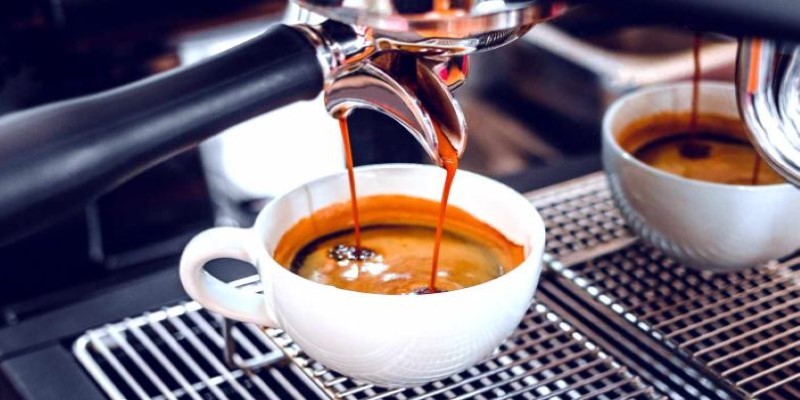
When you watch a sour shot pull, the signs are usually obvious. The stream runs quickly and looks pale. It never thickens into something syrupy. Crema is thin or foamy, sometimes disappearing within seconds. The flow often stays light from start to finish, without darkening before it fades.
The water moved through the coffee without slowing down enough to dissolve sugars. The extraction never progressed far enough to balance itself.
Bitter Vs Sour Espresso, Stop Fixing The Wrong Problem
A lot of wasted coffee comes from misdiagnosis.
Bitterness and sourness both feel unpleasant, but they sit on opposite ends of extraction. Bitter espresso feels dry and heavy. It lingers in the back of your throat. Sour espresso is sharp, fast, and fleeting.
When someone tastes sourness and responds by grinding coarser, they push the shot further into under-extraction. The result is thinner, sharper, and more frustrating.
Understanding bitter vs sour espresso is the first real step in espresso extraction troubleshooting [1].
If the shot tastes bitter, you pull back. If it tastes sour, you push forward. Everything that follows depends on that direction. Getting this wrong keeps people stuck in circles.

The Fastest Way To Fix Sour Espresso Without Touching The Grinder
Most people reach for the grinder first. That is usually the wrong move.
Start With Yield Before Touching the Grinder
If your espresso tastes sour, let it run longer. That is it.
Forget rigid ratios for a moment. If you are dosing 18 grams and stopping at 36 grams out, try 42 or 45 grams instead. The extra water gives the extraction time to move past acids and into sugars.
This is the quickest way to how to fix sour espresso without resetting your entire setup.
Extending the Ratio Can Rescue a Difficult Roast
Light roasts respond especially well to this change. They are dense and resistant, and stopping early leaves them tasting aggressive. A higher yield softens the cup, brings sweetness forward, and often turns a disappointing bag into something drinkable.
You might lose a bit of thickness, but you stop losing money.
Why Shot Time Is A Clue, Not A Rule
Time matters, just not the way people think.
If you force every shot into a 25 to 30 second window, you end up adjusting for the clock instead of the cup. That leads to constant overcorrection.
A balanced shot that runs a little fast is better than a sour one that hits an arbitrary number.
Use time to spot extremes. Under 20 seconds usually means water moved too fast. Over 40 seconds often points to excessive resistance. Everything in between needs to be judged by taste.
When Grinding Finer Is Actually The Right Move
Once yield stops fixing the problem, grind size comes back into play.
If your shot reaches target weight in under 20 seconds and tastes sour, water is racing through gaps in the puck. Grinding finer increases resistance and slows that movement.
You are not chasing fineness for its own sake. You are controlling contact time.
Micro-adjustments feel careful, but they drag out the process. If the shot is clearly sour, move the grinder enough to see a real change in flow.
Studies on grind size distribution show how uneven particle sizes create shortcuts for water [2]. Slowing the flow helps close those paths.
Temperature Problems That Masquerade As Grind Issues
Cold machines create sour coffee even when everything else looks right.
Cold Hardware, Weak Extraction
Portafilters and group heads absorb heat. If they are cold, water loses energy the moment it hits the puck. Cooler water struggles to dissolve sugars, leaving only acids extracted.
Shots taste thin, sharp, and unbalanced, even if dose, tamp, and grind remain unchanged. This can happen after the machine has been idle for a while, after cleaning, or when making multiple drinks in quick succession without letting the group head recover.
How To Stabilize Heat Without Fancy Gear
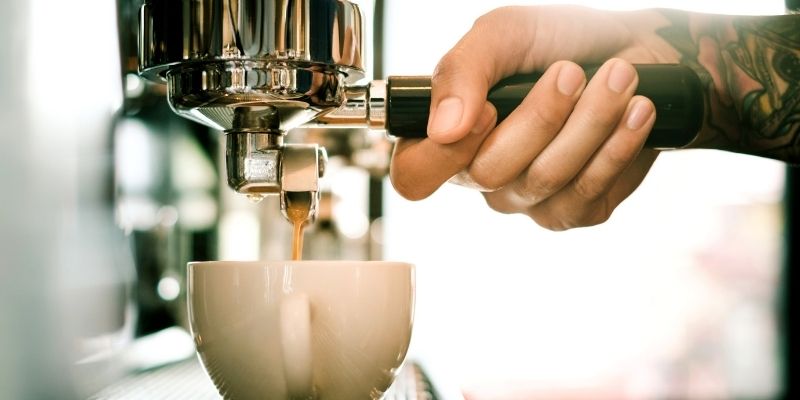
Always run a blank shot before dosing. Let the machine reach a stable temperature. Watch the water stream: a properly heated machine produces a shot that starts darker and thickens gradually. For machines with a PID, slightly higher temperature settings, especially with light roasts, help compensate for their density and resistance.
Even small drops in temperature of just a few degrees can affect solubility[3]. This is why shots pulled immediately on a cold portafilter can taste under-extracted, even when the grind is correct. Paying attention to machine readiness helps avoid unnecessary grind adjustments and keeps the flavor balanced.
Channeling, When Water Finds A Shortcut
Sometimes the shot looks right but tastes wrong. Channeling happens when water finds one weak spot and ignores the rest of the puck. Part of the coffee stays dry while another part gets overworked. The cup ends up thin, sour, and confusing. This often happens when grounds are uneven or clumped, letting water bypass sections that need proper extraction.
Clumps create weak zones, while uneven distribution or under-filled areas allow water to rush through too quickly. Stirring or tapping the grounds before tamping evens density and reduces channeling. Once the puck is compressed, tamping harder does not fix uneven flow, and tamping crooked almost guarantees failure.
Watch the water stream during the shot: splitting, gushing, or uneven flow usually indicates channeling. Focus on leveling, distribution, and careful tamping before adjusting the grind.
Bean Freshness And Why Old Coffee Fights Back
Coffee does not stay cooperative forever. As beans age, they lose gas and internal structure. Water encounters less resistance and rushes through the puck, producing shots that taste thin and sharp no matter how fine you grind. If the roast date is months old, that is often the root problem.
On the other hand, beans roasted very recently release gas aggressively. That gas can create pockets and uneven flow. Most coffee behaves best between about 10 and 21 days off roast, so let fresh coffee rest before judging it.
Pressure Issues with Home Espresso Machines
Pressure is often misunderstood. High pressure compresses the puck unevenly and encourages channeling, letting water punch holes instead of flowing evenly.
Machines set closer to nine bars usually extract more evenly and taste sweeter. If pressure cannot be adjusted, work around it by managing shot yield and grind. Forcing extreme fineness rarely fixes sourness on high-pressure machines.
Water Quality, The Fix Everyone Ignores
Water chemistry has a major impact on extraction. Water that lacks minerals struggles to extract flavor properly. Distilled water, for example, pulls acids easily but leaves sugars behind. Minerals act like hooks that grab coffee compounds during extraction [1].
In practice, filtered tap water or properly formulated coffee water usually solves sourness issues. It is not glamorous, but it matters more than most accessories.
A Troubleshooting Order That Prevents Guessing
When everything tastes wrong, follow a clear order.
- Check heat: make sure the machine is fully hot.
- Adjust yield: let the shot run longer.
- If needed, adjust grind to control flow. Avoid changing dose, tamp pressure, and grind all at once, as that causes confusion and wasted beans.
Signs that the fix is working appear early: the flow should thicken and darken before gradually lightening. Sudden pale streams usually indicate under-extraction. A balanced shot leaves sweetness behind and does not vanish instantly or scrape the back of your throat.
Common mistakes that keep espresso sour include changing multiple variables at once, chasing rules instead of flavor, assuming expensive beans fix technique, and giving up on a bag too early.
Make The Shot Teach You Something
If espresso tastes sour, it is under-extracted. Period. Increase yield first. Slow the flow when needed. Lock variables and move with intention. The moment each shot clearly tells you what went wrong is the moment espresso stops feeling random and starts tasting right.
References
[1] Royal Coffee – Technical Brewing Espresso Extraction
[2] Mahlkönig – The Importance of Grind Size Distribution
[3] Nature – Systematic Analysis of Espresso Coffee Variables
You May Like
-

-
Coffee
Coffee and Anxiety Are More Complicated Than We Thought Today
-
Coffee
Don't Buy That Coffee Maker: See This Unexpected $50 Alternative First
-
Guide
Your Coffee Storage Is Wrong: The 5 Things You Must Avoid Immediately
-
Coffee
World-Class Espresso: The One Thing Your Home Machine Is Missing
-
Guide
The Best Coffee Beans For Espresso: Stop Using Generic Store Brands