Coffee
Why Fresh Coffee Grinding Improves Flavor and Aroma
Author:Mike Fakunle
|
Released:January 31, 2026
Fresh grinding coffee changes everything in the cup. The difference is not subtle. Grind your beans seconds before brewing, and the aroma fills the room; use pre-ground coffee, and much of that character is already gone.
Here is what actually happens when you grind fresh, and why it affects flavor, aroma, strength, and even how much money you get from every bag of coffee beans.
1. Fresh Grinding Coffee Preserves Volatile Aromas
Coffee beans contain hundreds of aromatic compounds formed during roasting. The National Coffee Association explains that roasting creates the flavors and aromas people associate with coffee, and many of those compounds are fragile and volatile [1].
Once coffee is ground, the surface area increases dramatically. Oxygen attacks those volatile compounds immediately. Within 15 minutes, ground coffee can lose a noticeable amount of aroma. After a few days, much of the brightness is gone.
Fresh grinding coffee right before brewing limits oxygen exposure. Instead of losing aroma in a factory bag weeks earlier, you capture it in your cup. That intense smell when you open a grinder is proof that you are preserving what matters most.
2. Carbon Dioxide Release Affects Extraction
Freshly roasted coffee beans trap carbon dioxide inside their structure. According to Specialty Coffee Association, this gas plays a role in extraction and crema formation [2].
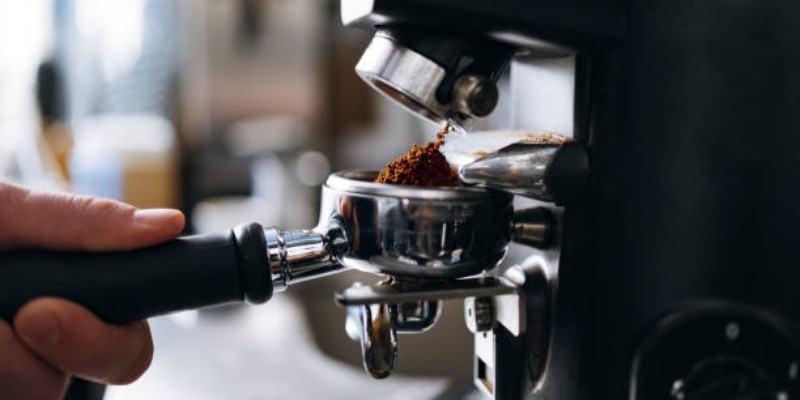
When coffee is ground, carbon dioxide escapes rapidly. In espresso, this gas helps create crema. In a pour-over or French press, it influences how water interacts with the grounds.
If coffee has been pre-ground for days or weeks, much of the gas has already dissipated. Fresh grinding coffee keeps more of that gas intact until brewing. The result is better extraction balance and, in espresso, a thicker crema layer.
3. Grind Size Control Improves Taste
Fresh grinding coffee gives you control over grind size. That control directly affects extraction time and taste.
Espresso requires a fine grind. Water passes through in 25 to 30 seconds. Too coarse, and the shot tastes sour and weak.
Pour-over methods like V60 need medium-fine grounds. Brew time usually ranges from 2.5 to 3.5 minutes.
French press works best with coarse grounds and a four-minute steep.
Pre-ground coffee is typically medium grind, designed to fit many methods but optimized for none. That compromise often leads to under-extraction or over-extraction.
With fresh grinding coffee, you adjust the grind size by small increments. A slight change can shift a bitter cup into a balanced one. That level of control is impossible with supermarket ground coffee.
4. Fresh Grinding Coffee Slows Staling
Staling is not just about time. It is about exposure to air, light, heat, and moisture. When beans remain whole, their interior compounds stay protected by the outer shell.
Research published through Harvard University shows that oxidation reactions accelerate as surface area increases [3]. Grinding multiplies surface area dramatically, which speeds up these reactions.
Whole beans stored in an airtight container can remain flavorful for two to four weeks after roasting. Ground coffee can begin to taste flat within hours and noticeably dull within a few days.
Fresh grinding coffee simply delays the clock. You grind only what you need. The rest of the beans stay protected.
5. Aroma Intensity Directly Influences Flavor Perception
Flavor is not only about taste. Up to 80 percent of what people describe as flavor is linked to aroma perception through retronasal smell.
When you brew pre-ground coffee that has been sitting for weeks, the aromatic intensity is reduced. Even if bitterness and acidity remain, the complexity feels muted.
Fresh grinding coffee enhances perceived sweetness, fruit notes, chocolate tones, and floral elements because the aromatic compounds are still present in higher concentrations.
This is why a freshly ground Ethiopian coffee can smell like blueberries and jasmine, while the same coffee pre-ground may taste simply “like coffee.”
6. Extraction Consistency Means Better Strength
Extraction refers to how much soluble material dissolves into water. The ideal extraction yield typically falls between 18 and 22 percent of the coffee’s mass.
If the grind size is inconsistent, the extraction becomes uneven. Fines over-extract and turn bitter. Large particles under-extract and taste sour.
Fresh grinding coffee using a burr grinder produces more uniform particles compared to many pre-ground options. Uniformity leads to more predictable extraction.
In practical terms, that means fewer wasted brews. If you drink two cups per day and waste one bad cup per week, that is roughly 52 cups per year. At an average cost of 0.50 to 1 dollar per cup at home, that adds up.
7. Fresh Grinding Coffee Enhances Espresso Crema
Espresso depends heavily on freshness. A shot pulled from beans ground immediately before brewing often produces a rich, hazelnut-colored crema.
That crema forms when pressurized water emulsifies oils and traps carbon dioxide bubbles. If the coffee was ground days ago, much of the carbon dioxide is gone.
Fresh grinding coffee makes the difference visible. You see thicker crema and taste more body. The mouthfeel becomes smoother and more layered.
For home baristas using machines that cost 300 to 1,000 dollars, skipping fresh grinding undermines the investment.
8. You Preserve Roast Character
Light roasts highlight acidity and fruit notes. Medium roasts balance sweetness and body. Dark roasts emphasize bitterness and smoky tones.
Fresh grinding coffee preserves these distinctions. Pre-ground coffee often tastes flatter because subtle notes fade first.
If you buy single-origin beans costing 15 to 25 dollars per 12-ounce bag, you are paying for distinct flavor profiles. Grinding fresh ensures you experience those differences rather than a generic, muted taste.
9. Fresh Grinding Coffee Reduces Waste
Coffee beans begin losing noticeable flavor about 7 to 14 days after roasting if not stored well. Grinding accelerates that decline.
When you buy whole beans and grind only what you need, you stretch the peak flavor window. If you use 20 grams per brew and drink one cup daily, a 340-gram bag lasts about 17 days.
If that bag were pre-ground, the last week might taste significantly dull. Fresh grinding coffee means each cup tastes closer to the first one.
10. Grinding Fresh Is Practical and Affordable
A decent burr grinder costs between 50 and 150 dollars. Spread that over three years of daily use, and the cost per day can drop to 0.10 dollars.
Compare that to buying premium beans and brewing them poorly. Fresh grinding coffee protects your investment in quality beans, brewing gear, and your morning routine.
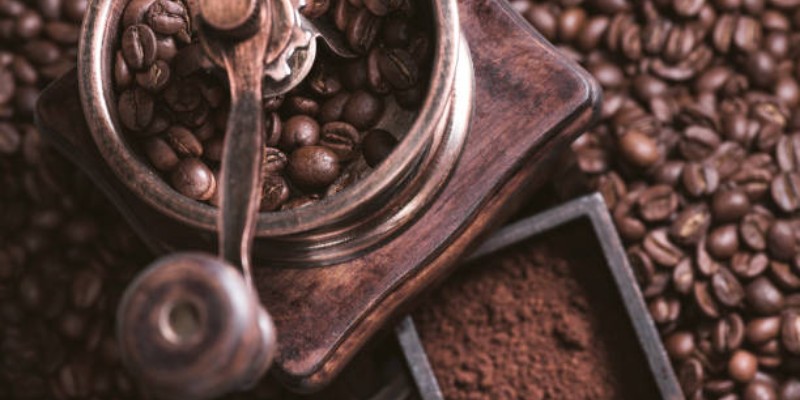
Manual grinders are even more affordable, often priced around 40 to 80 dollars. They require effort but deliver consistent grind size.
Brewing Scenario Comparison
Imagine two identical pour-over setups using 20 grams of the same beans and 300 milliliters of water.
Pre-ground coffee from a bag opened two weeks ago produces a brew time of 2 minutes. The taste is slightly sour and thin. Aroma fades quickly.
Fresh grinding coffee at medium-fine grind produces a 3-minute brew. The cup smells vibrant, tastes balanced, and leaves a lingering sweetness.
The difference is not marketing hype. It is chemistry and physics at work.
Make Every Cup Count
Fresh grinding coffee is not about being a perfectionist. It is about respecting what you already paid for. Whole coffee beans carry delicate aromas, trapped gases, and complex compounds that vanish quickly once exposed to air.
If you care about flavor, consistency, and value, grind right before brewing. Adjust grind size for your method. Store beans in an airtight container away from light and heat.
The improvement is immediate. One cup brewed from freshly ground beans often convinces people faster than any explanation. Try it tomorrow morning and compare side by side. Your taste buds will notice.
References
[1]National Coffee Association - https://www.ncausa.org/
[2]Specialty Coffee Association - https://sca.coffee/
[3] Harvard University - https://www.harvard.edu/
You May Like
-

-
Coffee
Exploring the Rich Variety: The Ultimate Guide to Types of Coffee Drinks
-
Coffee
Instant Coffee Can Taste Great. You're Probably Doing It Wrong
-
Recipe
Iced Caramel Macchiato: Recreate The Starbucks Taste For Under $1
-
Coffee
Nespresso Pods: Are You Using The Wrong Brand? Don't Waste Money!
-
Coffee
Moka Pot Guide: The Italian Secret To Strong Espresso (Under $30)