Coffee
Why Italian Coffee Tastes Better: Mimic The Secret Espresso Blend Now
Author:Tooba
|
Released:October 1, 2025
Most people visiting Italy come home talking about the coffee. It’s not just nostalgia. The espresso really is smoother, richer, and better balanced. Replicating that taste at home isn’t impossible, but it takes the right beans, gear, and method.
This guide breaks down the Italian espresso formula, shows how to recreate it, and gives you three recipes that work with common home machines.
The Italian Espresso Blend: What’s In It?
The classic Italian blend isn’t single-origin or exotic. It’s a carefully balanced mix, usually combining beans from Brazil, Ethiopia, India, and Vietnam. Here’s what that looks like in practice:
Brazilian Arabica: Brings chocolate and nutty base notes.
Indian or Vietnamese Robusta: Adds crema, bitterness, and caffeine.
Ethiopian Arabica: Gives fruity high notes and aroma.
Italian roasters typically go for a medium-dark roast. It keeps the body heavy and the finish smooth, without getting burnt. The blend usually leans 70–80% Arabica, with 20–30% Robusta for crema and punch.
To get close at home, try these ready-made blends:
Lavazza Super Crema ($25 for 2.2 lbs): Balanced, creamy, excellent with milk drinks.
Illy Classico Whole Bean ($15 for 8.8 oz): More refined, softer finish, 100% Arabica.
Kimbo Espresso Bar Extra Cream ($30 for 2.2 lbs): More Robusta-forward, thick crema.
Or blend your own. Use 70% Brazilian Arabica, 20% Indian Robusta, and 10% Ethiopian Yirgacheffe. Roast level should be just into second crack—darker than medium, but not oily.
Grinder And Machine: What You Actually Need
The best espresso beans won’t do anything without a decent grind and good pressure. That doesn’t mean spending thousands, but the grinder especially matters more than most people expect.
Grinder Recommendations
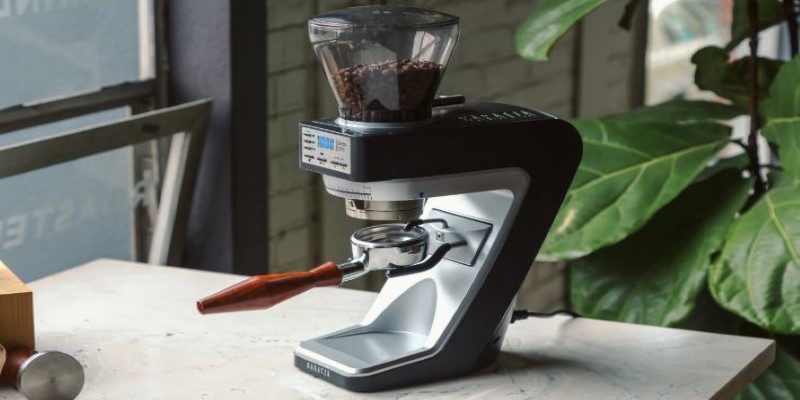
Baratza Sette 270 ($399): Fast, precise, easy to dial in. Stepless adjustment.
1Zpresso JX Pro ($159): Manual burr grinder with espresso-level precision.
Breville Smart Grinder Pro ($199): Decent entry-level electric grinder.
If your shots run fast and sour, your grind is too coarse. Slow and bitter, too fine. You’re aiming for 25–30 seconds from button to final drip.
Espresso Machines
Gaggia Classic Pro ($450): True espresso with a commercial-grade portafilter. Best budget pick.
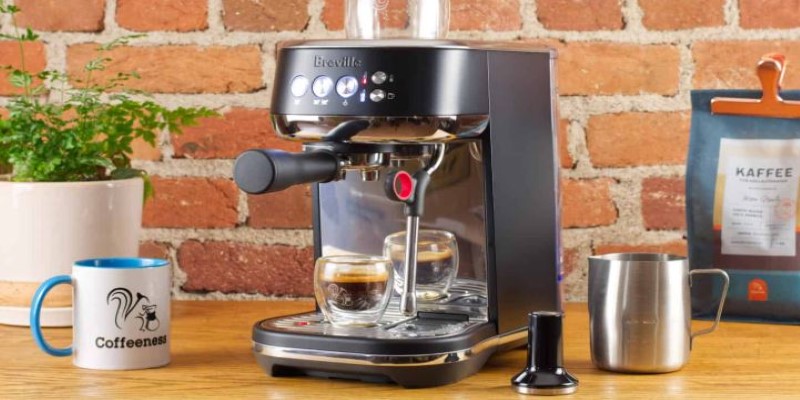
Breville Bambino Plus ($499): Auto features with real pressure and fast heat-up.
Rancilio Silvia ($865): Built to last, semi-pro control.
For pods, the Nespresso Creatista Plus is a good middle ground. It's not true espresso, but it gets close with less mess.
Classic Italian Espresso (Double Shot)
This is the baseline. If your home espresso doesn’t hit like this, tweak your grind and dose.
Dose: 18g coffee in, 36g espresso out
Time: 27–30 seconds
Temperature: 200°F water
Bean: Lavazza Super Crema or custom blend
Grind: Fine, like table salt
Steps
- Preheat the portafilter and cup.
- Grind fresh, tamp with 30 lbs pressure.
- Start shot immediately after locking in.
- Stop at 36g output or when blonding starts.
Taste should be thick, balanced, with chocolate, a touch of smoke, and no sourness.
Caffè Shakerato (Chilled Espresso Drink)
Popular in summer across Italy, this is a shaken espresso with sugar. No milk, just foam from shaking.
Shot: Double espresso
Sugar: 1–2 tsp
Ice: 5–6 cubes
Steps
- Brew espresso and pour it into a shaker with sugar and ice.
- Shake hard for 20–30 seconds.
- Pour into a small chilled glass, no straining.
The foam should be thick and creamy. Use a bean with good crema, like Kimbo Extra Cream.
Espresso Con Panna (Espresso With Cream)
Not quite a cappuccino, this is just a short shot with a cap of whipped cream. It balances bitter and sweet, especially with darker blends.
Shot: Single or double espresso
Topping: Fresh whipped cream (unsweetened or lightly sweetened)
Steps
- Brew espresso into a small cup.
- Top with a spoonful of cream.
Use Illy Classico for a lighter, more aromatic version. Drink immediately, before the cream sinks.
Milk Frothing That Matches Italian Texture
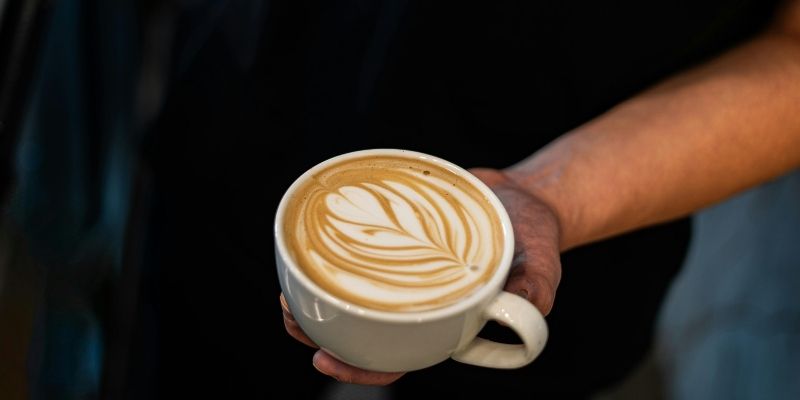
Italian cappuccinos and lattes taste silkier because the milk is frothed better. It’s microfoam, not big bubbles.
Best Tools For It
Nanofoamer V2 by Subminimal ($39): Handheld, creates true microfoam.
Breville Bambino Plus: Auto wand steams well with good texture.
Bellman Stovetop Steamer ($129): Pairs with manual espresso setups.
Tips
- Always use cold whole milk.
- Purge the steam wand before and after.
- Steam to 140–150°F, swirling to keep the foam integrated.
Don’t aim for a big, bubbly froth. It should pour like paint.
When To Use Each Brewing Method
Espresso isn’t always the right answer. Depending on your time and taste goals, these methods may make more sense:
Espresso (Machine): Best for short, strong coffee or milk drinks. High learning curve.
Moka Pot: Closer to espresso than drip, cheaper setup. Use with medium-fine grind. Try Bialetti Moka Express ($35).
AeroPress: Quick, clean, and smooth. Not espresso, but concentrated. Good with Italian blends at fine grind.
Drip or Pour-Over: Not ideal for Italian blends unless you lighten the roast. Brings out more bitterness otherwise.
If you want espresso without investing in a full machine, a Flair Pro 2 manual press ($309) can deliver real results.
What Affects Flavor Most?
If your coffee tastes flat, bitter, or weak, here’s where to look:
- Bean freshness: Use within 2–3 weeks of roast.
- Grind size: Too coarse ruins extraction.
- Water quality: Use filtered water at 195–205°F.
- Dose: Under-dosing leads to sourness and thin shots.
- Tamping pressure: Inconsistent tamp causes channeling.
Get a $15 digital scale and measure your shots. It’s the fastest way to improve consistency.
Conclusion: Make Your Espresso Taste Italian
You don’t need a commercial setup to get Italian espresso flavor at home. The keys are blend balance, grind precision, and water control. Start with a reliable blend like Lavazza or Illy, use a burr grinder, and pull consistent shots using a machine like the Gaggia Classic or Breville Bambino.
Try the shakerato or espresso con panna for variety. Upgrade your frothing if you enjoy milk drinks. Consider a manual press or Moka pot for lower-cost alternatives without sacrificing flavor. Pick a blend, choose a method, and test one of the recipes. Better coffee is one dialed-in shot away.
You May Like
-

-
Coffee
7 Best Reusable Coffee Filters Worth Buying for Better Taste and Less Waste
-
Coffee
Don't Buy That Coffee Maker: See This Unexpected $50 Alternative First
-
Coffee
Why Every Serious Barista Needs an Electric Burr Grinder
-
Recipe
Iced Caramel Macchiato: Recreate The Starbucks Taste For Under $1
-
Guide
Save Time & Money: The Ultimate Guide To Perfect Drip Coffee Every Day