Coffee
Coffee Storage Solutions That Keep Beans Fresh Longer
Author:Arooba
|
Released:January 19, 2026
Ever buy high-quality coffee beans only to find they taste flat after a couple of weeks? I've seen friends spend good money on great beans, then leave the bag rolled up on the counter; by week three, the coffee looks fine but tastes dull.
Once a bag is opened, oxygen, light, and moisture begin to break down the flavors and oils that make specialty coffee special. Using an airtight container slows this process and keeps those flavors around longer.
Why Coffee Goes Stale So Fast
Look around most kitchens: a half-rolled coffee bag by the microwave, a clear jar on the windowsill, a random plastic tub from takeout. Once the roaster's vacuum seal is broken, oxygen starts destroying flavors.
Coffee has over 1,000 aromatic compounds, and studies show 15-20% of key volatile compounds can disappear within the first 24 hours after exposure to air (Food Chemistry research).
Sunlight and moisture worsen the problem. UV rays and humidity react with oils, causing oxidation and off-flavors. Even minor moisture changes can flatten bright, fruity notes.
The Specialty Coffee Association notes that beans stored in airtight, opaque containers can keep about 85-90% of their peak flavor for roughly 3-4 weeks, while beans left in standard packaging often start tasting stale after 7-10 days.
What Makes Quality Coffee Canisters Different
A cheap jar may look fine, but it won't keep beans tasting fresh. High-quality canisters focus on the details that actually protect flavor:
True airtight seals matter. A good canister gives slight resistance when opening, a subtle "push back" that tells you oxygen hasn't leaked in. Without it, coffee gradually dulls after a day or two.
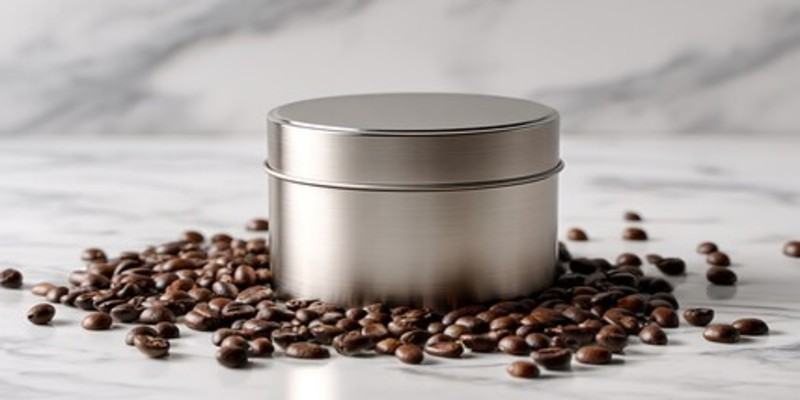
Opaque or UV-blocking materials protect beans from light. Ceramic or stainless steel jars completely block light and prevent odors. I've seen coffee in a plastic spice container pick up weird flavors in a day.
CO₂ release valves help with very fresh beans. Freshly roasted beans release carbon dioxide for several days. One-way valves let gas escape without letting oxygen in, the same principle used in many specialty coffee bags.
Container size should match your drinking habits. Big jars often hold more beans than you finish while they're at peak flavor. I use two jars at home: one large for supplies, a smaller one for a few days' beans. That way, most coffee isn't exposed every morning.
Non-porous materials preserve flavor. Beans absorb odors easily. Ceramic and stainless steel keep the internal environment neutral, so flavors stay true.
Matching Storage to Your Coffee Habits
1. Heavy drinkers
If you go through a pound of beans every week, a large vacuum-sealed canister of around 16 to 20 ounces works well. It holds enough beans for daily use while keeping the stash fresh.
2. Coffee rotation enthusiasts
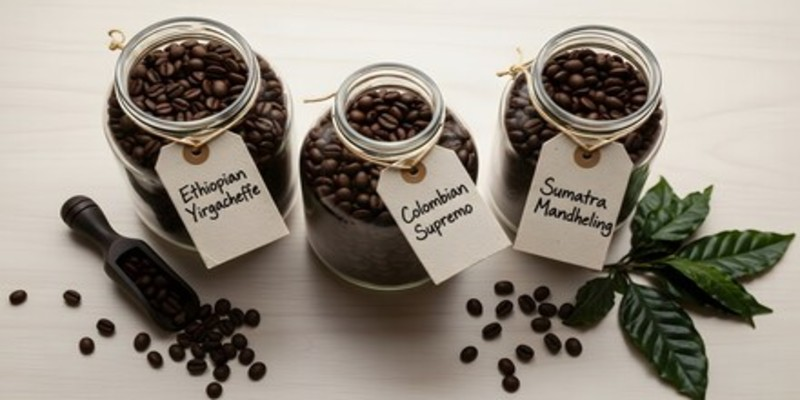
If you like trying different origins or roasts, smaller airtight containers in a set of three or four are ideal. Store them in a dark cabinet and label each with the roast date to avoid mixing flavors and to always use the oldest beans first.
3. Occasional drinkers
For those brewing only one or two cups a day, mini vacuum containers prevent waste. Buying smaller amounts or using small canisters ensures beans stay fresh while matching your daily consumption.
Advanced Storage Options Worth Considering
1. Vacuum pump canisters
I only recommend vacuum canisters if you buy 500g+ at a time and stretch a bag over 3-4 weeks. In under 2 weeks, you won’t taste a big difference. They slow oxidation and protect aroma, but small daily portions in a regular airtight jar already keep beans fresh.
2. CO₂ purge systems
Mostly for rare beans or when you want to "collect" a roast for extra weeks. For everyday drinkers, it’s overkill; if beans are gone in 2-3 weeks, you won’t notice the difference.
3. Humidity control packs
Use only in humid environments. They help stabilize moisture and prevent flavor loss. Skip them in dry areas.
4. Cool, stable storage spaces
Coffee stays fresher around 60-65°F. For most homes, a dark cabinet away from heat is enough. Wine fridges or dedicated setups only make sense for high-end beans or multiple bags at once.
Unless you routinely buy pricey or rare beans, I’d treat all of these as toys, not essentials.
Maintaining Storage Equipment
- Each time you switch beans: rinse with hot water and scrub with a brush, then air-dry completely. I do this every refill so oils don’t linger.
- Every 2-3 months: deep clean with mild soap, rinse thoroughly, and air-dry fully.
- Every 6 months: check and replace gaskets; for vacuum jars, inspect valves per manufacturer instructions.
Storage Mistakes That Ruin Good Coffee
Most stale coffee problems come from a few everyday habits that seem harmless at first. I've noticed many friends ruin excellent beans without realizing it.
1. Freezing beans without proper sealing
Putting coffee in the freezer sounds logical, but it often backfires. When frozen beans come back to room temperature, condensation forms on the surface. That moisture quickly damages flavor and accelerates staling.
Freezing only works if beans are vacuum sealed in small portions and brewed immediately after thawing. If you cannot portion and seal beans properly, it is honestly better not to freeze them at all. A good airtight container in a cool cabinet usually preserves flavor better than a poorly managed freezer.
2. Mixing different roasts
Store a delicate light roast beside a smoky dark roast, and the lighter beans slowly pick up those heavier flavors. After a week or two the cup can taste muddy or oddly bitter.
Keeping different roasts in separate airtight containers avoids that problem and preserves the character each coffee is supposed to have.
3. Buying more coffee than you can drink
Oxygen and time always win eventually. Many coffee professionals suggest buying only enough beans for about two to three weeks of brewing.
For most households, a 250 g bag hits the sweet spot. It is enough for daily coffee without letting beans sit around long enough to lose their best flavor.
4. Ignoring the roast date
The roast date matters more than expiration labels. Whole beans taste best within the first few weeks after roasting.
A good container slows staling but can't reverse old beans; if beans were roasted a month ago, storage alone won't restore bright flavors.
Testing Current Storage Setup
Sometimes the easiest way to improve coffee is to check how you store it now. A few minutes can reveal major problems.
Step 1: Check the lid seal
Close the container and give the lid a gentle twist or push. If it moves easily or loosens with almost no effort, it probably isn't airtight. A well-sealed canister usually opens with a small pop or a bit of resistance. That slight pressure release is a good sign that the seal is actually working.
Step 2: Look at where the coffee sits
If the container lives next to the stove, oven, or a bright window, the beans are constantly exposed to heat and light. Both speed up oxidation and flavor loss. A much better spot is a dark cabinet away from heat sources, somewhere with a steady room temperature around 60 to 70°F.
Step 3: Check the container material
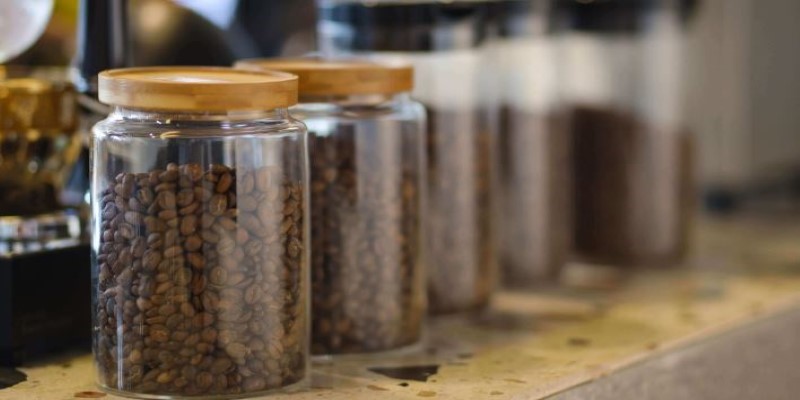
Clear glass jars look great on the counter, but they expose beans to light all day. If you can easily see the beans through the container, they are aging faster than they should. Opaque ceramic or stainless steel containers block light and keep conditions more stable.
Step 4: Trust your nose
Open the container and take a quick smell. Fresh beans usually hit you with a strong aroma right away. If the smell is weak, flat, or slightly like cardboard, the current storage setup is probably letting the coffee go stale too quickly.
A few small adjustments, like switching containers or moving coffee into a darker cabinet, can noticeably improve the flavor of your daily cup.
Building a Complete Storage System
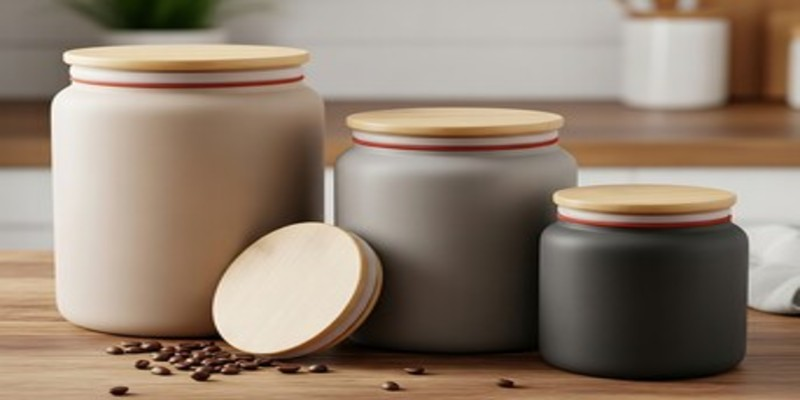
A simple setup at home can keep coffee tasting better for longer. Think of it as a small system with three parts instead of one big container.
1. The daily jar
Keep a small airtight jar near your coffee maker with only two to three days of beans inside. An 8 to 10-oz canister works well for most kitchens. This is the one you open every morning. Refill it a couple of times a week from the main container so the bulk of your beans stays sealed most of the time.
2. The main storage jar
This is where the rest of your beans live. Store them in a larger airtight canister inside the coolest, darkest cabinet you have. If you usually buy a one-pound bag, a container around 16 oz works well. Try to open this jar only when refilling the small daily one. Fewer openings means less air getting in.
3. The backup bags
If you buy multiple bags during a sale or pick up extra beans from a roaster, leave them sealed in their original valve bags until you need them. Those one-way valve bags are designed to release gas while keeping oxygen out. Once you open a bag, transfer the beans into your main storage jar.
Coffee generally keeps its flavor longer around 60 to 65°F. Large temperature swings can speed up staling. In most homes, you do not need a thermometer. Just avoid storing beans next to the stove, on top of appliances, or in direct sunlight. Doing that already puts you ahead of most kitchen setups.
With this simple routine, most beans will stay noticeably fresher from the first cup to the last.
Maintaining Storage Equipment
Clean containers thoroughly between refills, but avoid soap unless necessary. I personally rinse mine with hot water and let them air-dry every time I switch beans instead of waiting two or three months; that way, I know oils aren't lingering.
Clean containers thoroughly between refills. Avoid soap unless necessary because residues can transfer flavors. A hot water rinse with a brush usually does the job. Make sure everything is completely dry before adding new beans, since even a tiny bit of moisture speeds up staling.
Check seals and gaskets every few months. Rubber or silicone parts wear out over time. Many airtight jars have replaceable gaskets, so keeping a spare on hand means you never lose that proper seal.
For vacuum pump jars, follow the manufacturer's maintenance instructions. Clean valves and check for leaks regularly to keep them working effectively.
Don't leave beans in the same container indefinitely without deep cleaning. Even with careful use, oils build up on the interior. Every two to three months, wash the container with mild soap, rinse thoroughly, and let it air dry completely for at least 24 hours.
Different Coffees Need Different Approaches
Light roast beans
These stay fresher longer than dark roasts because they hold more moisture and have less surface oil. They're still very sensitive to humidity, so store them in a tightly sealed jar in a dry spot.
Dark roasts
Dark beans develop surface oils that can go rancid quickly once exposed to air. Clean your jar more often and keep smaller amounts on hand. Even in a well-sealed container, a dark roast that tastes amazing the first week can turn bitter by week three.
Ground coffee
Grinding exposes far more surface area to oxygen, 10 to 15 times more than whole beans. Use the tiniest sealed container you can and plan to finish it within three to five days.
Flavored coffees
Oils and added flavors can cling to any container, even good ones. Store flavored beans separately from unflavored ones to prevent taste transfer, and dedicate a jar or bag just for them.
This way, your storage strategy matches each type of coffee and helps every cup taste closer to freshly roasted.
Fresh Coffee Starts With Smart Storage
If the beans are already tired, no grinder or brewer can rescue them. Keep one airtight jar, sized to your daily consumption, in a cool, dark spot. Buy only what you can finish in 2-3 weeks. This single change makes every cup noticeably brighter without touching any other brewing process.
You May Like
-

-
Coffee
How to Make a Real Cappuccino Without an Espresso Machine
-
Coffee
I Tested 7 Ways to Remove Coffee Stains — Results Inside
-
Guide
Your Coffee Storage Is Wrong: The 5 Things You Must Avoid Immediately
-
Guide
Decaf Coffee Doesn't Have To Suck: The Ultimate Bean Buying Guide
-
Recipe
Turkish Coffee: The Intense, Foamy Recipe Your Kitchen Needs Today