Coffee
Mastering Cold Brew Coffee Concentrate A Complete Guide to Making and Enjoying it at Home
Author:sana
|
Released:March 25, 2026
Cold brew coffee concentrate offers a uniquely smooth and rich coffee experience by steeping coarsely ground coffee beans in cold water. This brewing method highlights its low acidity and natural sweetness, making it popular among both avid coffee drinkers and newcomers. Easy to prepare at home, cold brew can bring a refreshing twist to your daily coffee routine. This guide aims to simplify the cold brew process, illuminate its advantages, and help you elevate your coffee adventure effortlessly.
What is Cold Brew Coffee Concentrate and How Does It Work?
Cold brew coffee concentrate is a robust beverage made by immersing coarsely ground coffee beans in cold water for an extended duration, typically between 12 to 24 hours. Unlike the traditional brewing process that employs hot water, cold brewing yields a smoother and less acidic coffee concentrate while preserving the beans' natural flavors. This unique preparation method allows its flavors to be extracted gradually, leading to a denser consistency and an intensified coffee experience.
With an optimal coffee-to-water ratio of 1:4, cold brew concentrate can be tailored to meet individual taste preferences, whether enjoyed straight, chilled, or incorporated into various recipes like coffee cocktails and smoothies. One of its standout features is its adaptability, permitting coffee lovers to mix it with water, milk, or dairy alternatives, fostering a diverse coffee-drinking experience.
How to Make Cold Brew Coffee Concentrate at Home
Elevate your coffee encounters by creating cold brew coffee concentrate at home. Adhering to these essential steps will help you master the art of cold brewing.
Cold Brew Coffee Ratio
To unlock maximum flavor in your cold brew, maintain an ideal coffee-to-water ratio of 1:4. For every cup of coarsely ground coffee, use four cups of cold water. This ratio cultivates a rich flavor without overwhelming intensity, allowing the coffee's true characteristics to shine through. Feel free to tweak this ratio slightly to cater to your bean selections and taste preferences.
Coarse Ground Coffee
Using coarsely ground coffee is pivotal for successful cold brewing. Fine grounds can lead to over-extraction, yielding a bitter brew. Coarse grounds facilitate even flavor extraction, producing a smoother concentrate that won’t obstruct your filter. This grind size ensures optimal extraction of desirable compounds during the prolonged steeping period, resulting in a pleasurable drinking experience devoid of grit.
Cold Brew Steeping Time
Aim for a steeping duration of 12 to 24 hours for cold brew. The steep time chosen directly correlates to flavor strength; while a 12-hour steep yields a milder concentrate, extending it results in heightened flavor intensity. We recommend initiating with 16 hours and adjusting based on your personal preference for strength and flavor balance.
Homemade Cold Brew Coffee
- In a large jar, combine coarsely ground coffee and cold water using the 1:4 ratio.
- Stir gently to ensure all coffee grounds become saturated.
- Cover the jar and allow it to steep either at room temperature or in the refrigerator for 12 to 24 hours.
- After steeping, strain the mixture using a fine-mesh sieve or coffee filter to separate the grounds.
- Transfer the concentrate to a clean container and refrigerate it for future use.
Cold Brew Coffee Maker
If you prefer a more efficient route, consider investing in a cold brew coffee maker or utilizing a large French press. These tools simplify the brewing and filtering process, facilitating an effortless homemade cold brew experience.
Cold Brew Concentrate vs Iced Coffee: What’s the Difference?
Understanding the key distinctions between cold brew concentrate and iced coffee can greatly enhance your brewing experience. Cold brew is produced by steeping coarsely ground coffee beans in cold water for an extended period—generally 12 to 24 hours—resulting in a smooth and concentrated base. Conversely, iced coffee is brewed hot and then chilled using ice or cold water, typically resulting in a more acidic profile. This difference in preparation is significant enough to influence flavor and overall brewing time, rendering cold brew a more leisurely process compared to the expedited method of making iced coffee.
Flavor profiles contrast markedly between the two; cold brew is distinguished by its rich, smooth essence with lower acidity, making it easier to enjoy. Iced coffee, however, retains some of the bitter notes produced during the hot brewing process, resulting in a tangier and more vibrant taste profile. These differences cater to varying preferences in coffee consumers, with cold brew often celebrated for its mellow and creamy mouthfeel.
Caffeine content is another crucial disparity. Cold brew concentrate typically contains elevated levels of caffeine due to its extended brew time and stronger coffee-to-water ratio used in preparation. Consequently, it may provide a more substantial energy boost compared to iced coffee, which can be especially advantageous for those who rely on caffeine for enhanced alertness and productivity throughout the day.
How to Dilute Cold Brew Coffee Concentrate Correctly
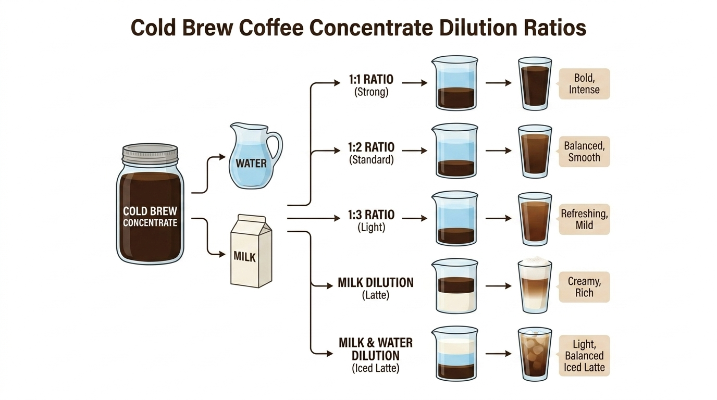
Achieving the perfect flavor and strength in your cold brew coffee involves careful dilution of the concentrate. Start by mixing equal parts of cold brew concentrate with water or milk, resulting in a 1:1 ratio for a balanced taste. For a milder drink, consider a 1:2 dilution that is less intense. This foundational dilution can be modified according to your preferences.
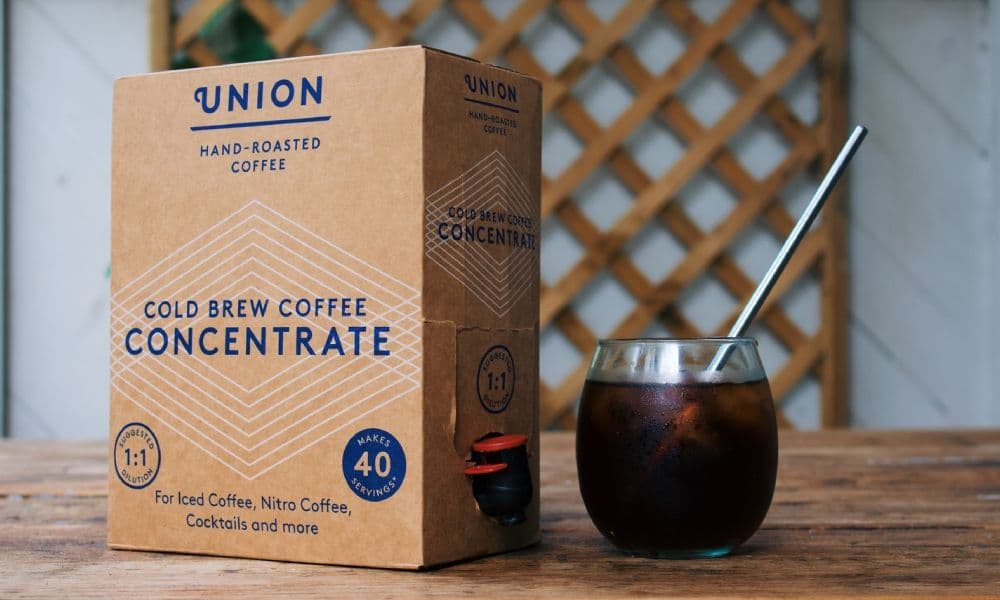
Experimenting with ratios can be enjoyable; substituting milk for water can create a creamier texture. Whole milk adds richness, while alternatives like almond or oat milk can provide a touch of sweetness. Flavored syrups can introduce additional complexity, making each drink a unique delight.
Feel free to customize your cold brew by adjusting the dilution ratio until you find the perfect fit for your palate. If you enjoy a stronger coffee taste, use less dilution. Conversely, if you prefer a gentler flavor, gradually add more water or milk until achieving your desired taste.
Choosing the Best Beans for Cold Brew
For optimal flavor in your cold brew, select coffee beans that are medium to dark roasts, as these generally provide richer and bolder flavors. Varieties like Colombian and Sumatra are recommended for their inherent sweetness and lower acidity, leading to a perfectly smooth cold brew. For those leaning towards a fruitier note, consider Ethiopian beans, which are known for their lively flavor characteristics.
Roast Level Comparisons
The roast level of the coffee beans significantly impacts the taste and aroma of the cold brew. Medium roasts typically produce a sweeter and more approachable brew, whereas dark roasts yield deeper and bolder flavors, often with hints of chocolate. Light roasts, while less conventional for cold brew, can lend a vibrant brightness to the beverage. Selecting the right roast is fundamental for capturing optimal flavors that ensure your sip is refreshingly enjoyable and tailored to your taste.
Common Mistakes When Making Cold Brew Concentrate
Cold brew coffee is delightful but can be easily spoiled by common mistakes. Over-steeping is the most prominent pitfall; letting the grounds steep for too long—typically beyond 24 hours—may lead to bitterness in the final brew. To prevent this, set a timer and adhere to the recommended steeping duration of 12 to 18 hours, sampling the flavor at intervals to ensure it aligns with your flavor preferences.
Another frequent issue involves using the wrong grind size. An excessively fine grind can produce a sludgy concentrate, whereas overly coarse grounds can lead to a weak brew. Aim for a coarser grind, akin to sea salt, to achieve balanced flavor extraction.
Lastly, monitor the coffee-to-water ratio; maintaining the perfect balance is critical for a satisfying cold brew. Precise measurements are vital for achieving consistent flavor, ensuring your cold brew efforts are always rewarding.
Elevate Your Coffee Experience with Cold Brew
In summary, cold brew coffee concentrate serves as a flavorful and distinct alternative to conventional coffee brewing techniques, highlighting its smoothness and reduced acidity. With insights shared in this guide, readers can easily embrace the art of making cold brew at home, customizing the process to match their individual preferences. The adaptability of cold brew coffee concentrate permits a refreshing iced beverage or a creamy delight, adding an exciting dimension to any coffee lover’s routine. Why not venture into the realm of cold brew and elevate your coffee experience today?
You May Like
-

-
Guide
The Secret Behind Perfect Cold Brew Coffee at Home
-
Recipe
Iced Caramel Macchiato: Recreate The Starbucks Taste For Under $1
-
Coffee
Unlock Pure Flavor: A Barista's Guide to the Best Manual Coffee Grinder
-
Guide
The Best Mocktails for Every Occasion (No Alcohol Needed!)
-
Recipe
Irish Coffee: Skip The Bar And Make The Authentic Pro Recipe At Home