Coffee
How Long Do Roasted Coffee Beans Last Freshness, Storage, and Flavor Preservation
Author:sana
|
Released:May 8, 2026
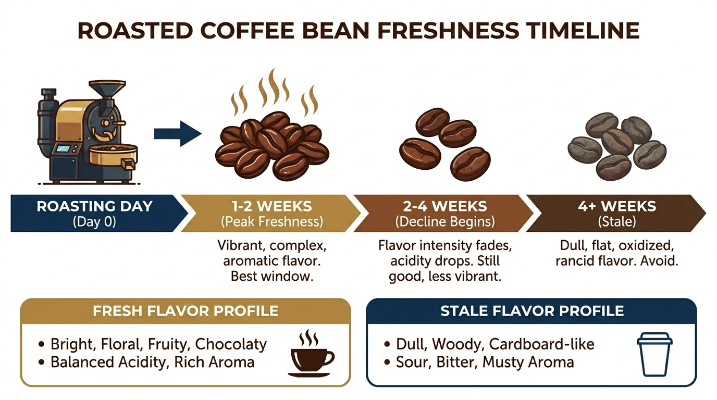
Freshness is critical when it comes to roasted coffee beans. These beans typically maintain their optimal flavor for a period of two to four weeks after roasting. Understanding this time frame is vital, as it directly impacts the overall flavor profile and enjoyment of each cup. Sipping on a brew made from freshly roasted beans can transport your senses with vibrant aromas and layered flavors; in contrast, older beans result in flat and uninspiring coffee experiences. By recognizing the importance of freshness, we enhance our appreciation of coffee and make informed choices that can elevate our daily ritual.
1. How Long Do Roasted Coffee Beans Last?
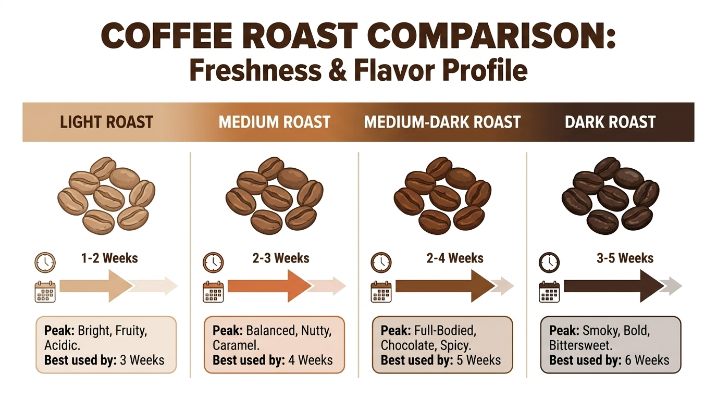
Roasted whole coffee beans usually preserve their optimal flavor for about two to four weeks post-roasting. This period serves as a practical guideline for coffee enthusiasts striving to enjoy their favorite brews at peak freshness. However, the duration may vary based on the type of roast and proper storage techniques. Light roasts generally maintain their flavor well for about two to three weeks, while medium roasts often last closer to four weeks. Dark roasts, on the other hand, tend to lose freshness more quickly due to the oils that are released during roasting.
Proper storage is critical to ensuring longevity; beans kept in an airtight container stored away from air and light can outlast those kept exposed. Therefore, selecting suitable storage methods and understanding your roast type can significantly enhance the freshness of your coffee beans.
2. Freshness vs. Safety and Best-By Dates
An essential aspect of coffee enjoyment involves understanding the distinctions between freshness, safety, best-by dates, peak flavor, acceptable flavor, and spoilage. Freshness refers specifically to the elapsed time since the coffee beans were roasted, which significantly impacts flavor. Safety, however, pertains to whether the coffee is still safe to consume, which can remain intact even long after the best-by date has passed. The best-by date is merely a recommendation from manufacturers indicating when the coffee is likely to deliver its most enjoyable taste, rather than a strict deadline for safety.
Peak flavor is the point at which coffee beans are most aromatic and rewarding to drink. In contrast, acceptable flavor marks the period following peak flavor, where the taste remains enjoyable but potentially diminished. Spoilage happens when beans develop undesirable off-flavors or odors resulting from age or poor storage methods.
Consumer awareness of these distinctions is vital, as freshness can be a subjective experience. For instance, some may enjoy their coffee even a week past its optimal peak, while others may find it stale. A truly fresh roast will offer vibrant citrus notes and enjoyable complexity, whereas older beans might taste flat or even musty. By understanding these factors, coffee lovers can make informed choices that greatly enhance their overall coffee experience.
3. What Causes Roasted Coffee to Stale?
The complexity of roasted coffee flavors can diminish rapidly due to several contributing elements, with oxygen exposure being the most significant enemy of freshness. When coffee beans are exposed to air, oxidation occurs, leading to the breakdown of aromatic compounds that contribute to coffee's delightful flavor. Heat is another crucial factor, as elevated temperatures can accelerate the staling process. Additionally, moisture poses harmful effects on coffee, fostering mold growth and leading to uneven flavor extraction during brewing.
Even light exposure, particularly from sunlight, can degrade the beneficial oils in coffee, further compromising its taste quality. Many producers combat these issues through innovative packaging techniques, such as one-way valves that permit gas escape while preventing air from entering the bag. This technology aids in preserving freshness. However, frequent opening of these containers, while retrieving coffee, can expose the remaining beans to air, hastening the staling process and compromising flavor longevity. By understanding these factors and implementing proper storage measures, coffee enthusiasts can enjoy every sip at its peak quality.
4. Storage Condition Overview
Proper storage of roasted coffee beans is essential to maintain maximum freshness. The following table outlines various storage conditions and their expected quality changes:
By adhering to these storage guidelines, coffee enthusiasts can enjoy the rich flavors characteristics of freshly roasted beans and enhance their brewing experience.
5. Opened, Sealed, Whole-Bean, and Ground Comparisons
The method of storage significantly impacts the quality and longevity of coffee. Sealed packages of coffee, designed to protect the beans from air, light, and heat exposure, last substantially longer than those that have been opened. Whole beans outperform pre-ground coffee when it comes to retaining flavor and aromatic oils, primarily due to their protective outer shell. Once opened or ground, however, the exposure to oxygen begins to damage the quality. Typically, ground coffee maintains freshness for about one to two weeks, while whole beans can remain in prime condition for up to a month when stored correctly.
Storage temperature is also pivotal—cool environments, such as dark cabinets or refrigerators (though not in freezing conditions), help maintain flavor longevity better than warmer spots. For instance, coffee stored at room temperature may turn stale more quickly than if kept in optimal temperature conditions. Protecting your coffee from light, heat, and moisture is essential for preserving a lively flavor profile for an extended period.
6. Best Storage Method
To ensure the freshness of roasted coffee beans, utilize opaque, airtight containers to prevent light exposure, which can degrade flavor compounds, and reduce air contact that leads to oxidation. Opt for storage solutions made from materials like ceramic or dark glass rather than clear plastic. A great tip is to divide your coffee into smaller portions, keeping a larger stash sealed while using a smaller amount. This approach minimizes exposure to air and moisture.
Additionally, store your coffee in a cool, dry area, away from heat and humidity sources such as stoves or windows. A kitchen pantry is often an ideal location. By following these simple but effective storage methods, coffee enthusiasts can ensure that their beans maintain their vibrant flavors and aromas, delivering an exceptional cup every time.
7. When Freezing Helps and How to Do It
Freezing can be an excellent option for coffee lovers who purchase in bulk or plan to take their time enjoying their beans. Freezing helps extend their fresh flavor and aroma for months, making it easier to indulge in your favorite brew without compromising quality. To freeze effectively, portion your beans into airtight bags labeled with the date, ensuring they remain protected from moisture and air exposure. Avoid placing beans in the refrigerator, as fluctuating temperatures and humidity levels can adversely affect flavor and contribute to staleness. Instead, utilize your freezer as a preservation method, remembering to extract only what you need to keep the remainder safely frozen. This careful practice maximizes your coffee enjoyment while preserving its delightful taste.
8. How to Assess Stale or Spoiled Beans
To ensure a delightful coffee experience, it is critical to assess the freshness of your roasted beans regularly. Start by relying on your sensory evaluation skills: a dull aroma signals staleness, whereas a noticeable loss in flavor indicates that the beans may be past their prime. Fresh coffee should produce a rich and inviting scent, so if you notice a significant reduction in this quality, the beans are likely stale.
It is equally essential to differentiate freshness indicators from contamination signs. If you observe visible mold or detect any foreign odors, these are clear warnings that your beans are not safe for consumption. While staleness mainly affects flavor quality, contamination poses health risks.
For effective evaluation, conduct a thorough sensory assessment—engage your sense of smell first, then taste a small amount to pinpoint any off-flavors. If your beans exhibit both staleness signs and contamination indicators, it is best to discard them immediately. By following these guidelines, you can uphold your coffee rituals and ensure that only the freshest beans contribute to your brews.
Elevate Your Coffee Ritual with Freshness
Maintaining the freshness of roasted coffee beans is paramount for an enjoyable tasting experience. Utilizing opaque packaging and storing beans in airtight containers away from light, air, and moisture can significantly extend their quality. Coffee drinkers should prioritize the purchase of freshly roasted beans, ideally consumed within a couple of weeks after roasting, to fully savor the diverse flavor profiles offered. By implementing these best practices, enthusiasts can craft a delightful coffee experience that perfects their daily ritual. The quest for the ideal cup lies in understanding and safeguarding the freshness of coffee, celebrating the rich art of brewing.
You May Like
-

-
Coffee
Can Pregnant Women Drink Coffee A Complete Guide to Caffeine Consumption During Pregnancy
-
Coffee
Co-Fermented Coffee Is No Longer a Niche: Here's What's Driving the Trend
-
Guide
The Japanese Iced Coffee Method That Gives You Crystal Clear Flavor
-
Recipe
The Secret To Starbucks Cold Foam: Make It At Home With No Special Tool
-
Guide
Black Coffee For Weight Loss: The Best Brewing Method Is Not What You Think