Coffee
How to Grind Coffee Beans A Complete Guide to Better Coffee
Author:sana
|
Released:May 15, 2026
Grinding coffee beans is a fundamental process that can significantly enhance your coffee experience. The act of grinding releases the essential oils and rich flavors locked within the beans, creating a more aromatic and tasty cup of coffee. The grind size is particularly crucial; it influences the extraction rate during brewing, impacting the overall flavor profile. A fine grind can lead to bitterness, while a coarse grind may result in a weak brew. By mastering grind sizes tailored to different brewing methods, coffee enthusiasts can craft personalized brews that truly satisfy their taste preferences. In this article, we will explore the most effective grinding techniques and how to achieve the ideal brew for your palate, empowering coffee lovers to elevate their brewing practices like never before.
The Essence of Grinding Coffee Beans: Understanding the Process
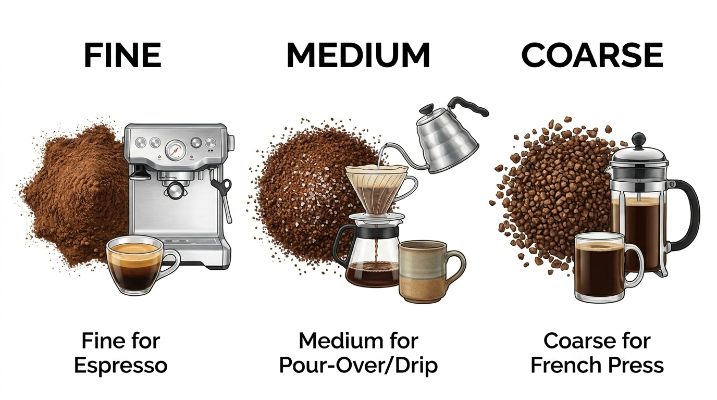
Grinding coffee beans transforms whole beans into smaller particles, thereby maximizing the surface area and enabling efficient flavor extraction through water. This process is vital, as the grind size must correspond to the brewing method used in order to achieve the best flavor output. For instance, espresso requires a fine grind to facilitate rapid extraction under high pressure, enhancing the drink's richness and body. Pour-over coffee, on the other hand, benefits from a medium grind to balance the flow rate and extraction time, yielding a clean, flavorful cup. Meanwhile, coarser grinds are ideal for French press brewing to prevent clogging and promote a smooth, immersive experience during the longer brewing time. Each brewing method has its optimal grind size, and understanding these distinctions helps coffee lovers experiment effectively to find their preferred taste.
Essential Ingredients for Grinding Coffee Beans
- Fresh Whole Coffee Beans: The backbone of your brew, quality beans are key. Ensuring your beans are fresh preserves their essential oils and inherent aromas, leading to a better-tasting cup.
- Coffee Grinder (Blade or Burr): A necessary tool for achieving the desired grind size, with burr grinders being preferable due to their ability to provide a consistent grind, crucial for even flavor extraction.
- Scale or Measuring Cup: Precision is essential; a scale ensures accurate coffee dosing, solidifying the right amount for your brewing style. A measuring cup serves as a quick alternative for convenience.
- Airtight Storage Container (Optional): To maintain the freshness of your beans, store them in an airtight container away from moisture and light. Proper storage prevents staleness and extends the shelf life of flavors.
The Complete Guide to Grinding Coffee Beans
Grinding coffee beans effectively is vital for a flavorful brew. To achieve the best results, follow these detailed step-by-step instructions:
1. Measure the Coffee Beans
Your journey begins with accurately measuring your coffee beans. A reliable rule of thumb is a coffee-to-water ratio of 1:15 for standard drip brewing, translating to approximately 2 tablespoons of coffee per 6 ounces of water. If you're using methods like French press, you may prefer a 1:12 ratio to accentuate bolder flavors. Conversely, espresso requires a finer grind with a higher coffee ratio of around 1:2. Experimentation with these ratios is essential to identify which best suits your taste, allowing you to enhance your overall coffee experience with each brew.
2. Choose the Right Grinder
Selecting an appropriate grinder is critical for effective coffee preparation. While blade grinders are affordable and convenient, they often produce uneven grinds which may lead to inconsistent flavor extraction. Contrarily, burr grinders offer significant benefits due to their ability to produce uniform grind sizes. These grinders consist of two revolving abrasive surfaces, ensuring precision consistency important for brewing methods like espresso and pour-over. Investing in a quality burr grinder elevates your coffee brewing process, enabling you to achieve a consistently superior cup.
3. Adjust the Grind Size
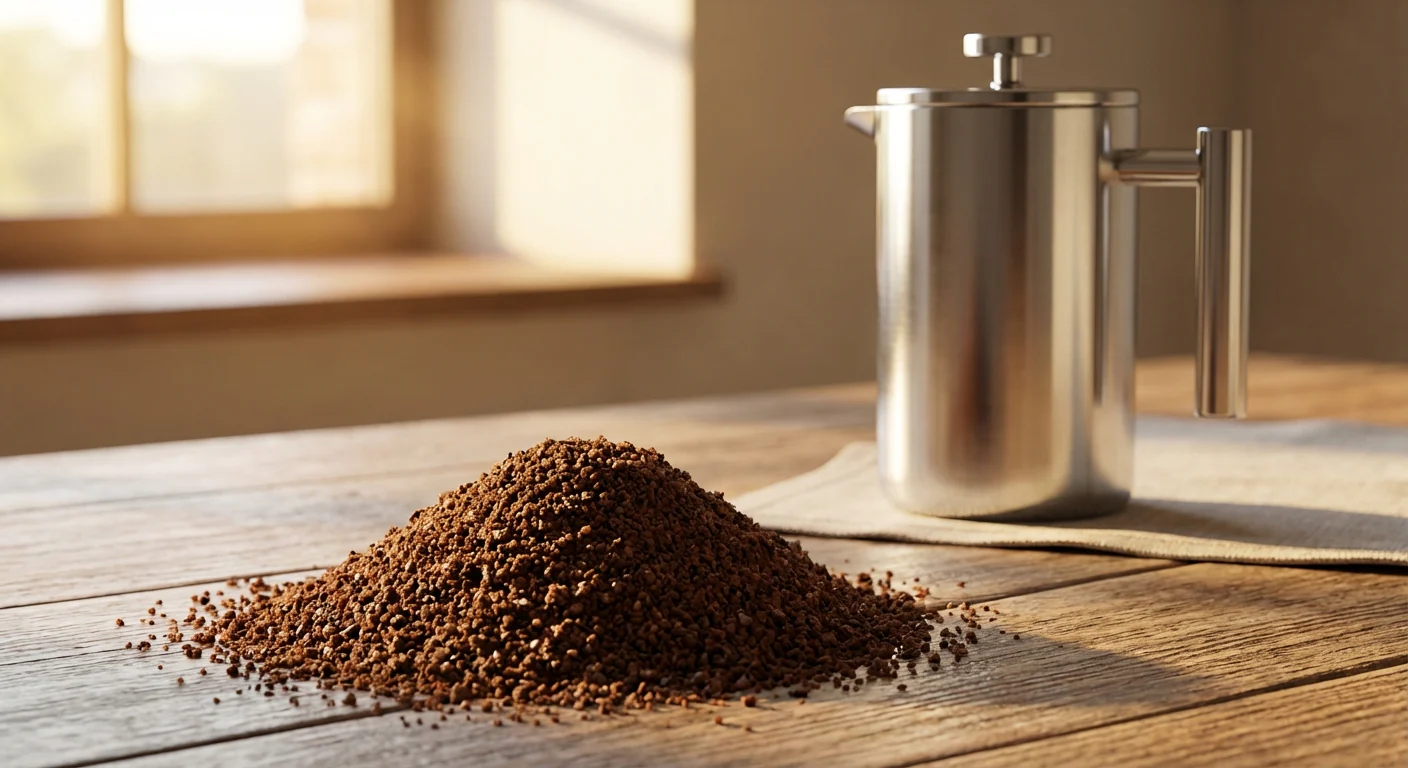
Tailoring the grind size based on your brewing method is essential for optimal flavor extraction. For a French press, a coarse grind similar to sea salt works best, facilitating slow extraction during steeping. If you opt for pour-over or drip methods, a medium grind akin to granulated sugar is ideal. Espresso, on the other hand, demands a fine grind for effective pressure extraction, comparable to flour in consistency. Familiarizing yourself with these grind size variations allows you to adjust your method precision for the best possible results.
4. Grind the Coffee
To effectively grind your coffee, ensure the beans are at room temperature to prevent overheating. Grind in short pulses rather than continuously for a more even consistency, and if using a blade grinder, shake it gently in between pulses to distribute the beans evenly. It is crucial to only grind what you need immediately, as fresh coffee grounds yield the best flavor. Overheating during grinding can lead to unwanted burnt flavors, ruining the natural taste and aroma of your coffee.
5. Store the Grounds Properly
Proper storage of your ground coffee is vital to maintain its freshness. After grinding, place any unused coffee grounds in an airtight container to minimize moisture and air exposure, both of which can lead to staleness. Store this container in a cool, dark location, away from direct heat and sunlight. Whole beans should be treated similarly until ready for grinding, as they retain flavor longer than pre-ground coffee. It is recommended to use your ground coffee within two weeks for optimal taste and to consider freezing any excess if you need longer storage.
Alternate Methods for Grinding Coffee Beans
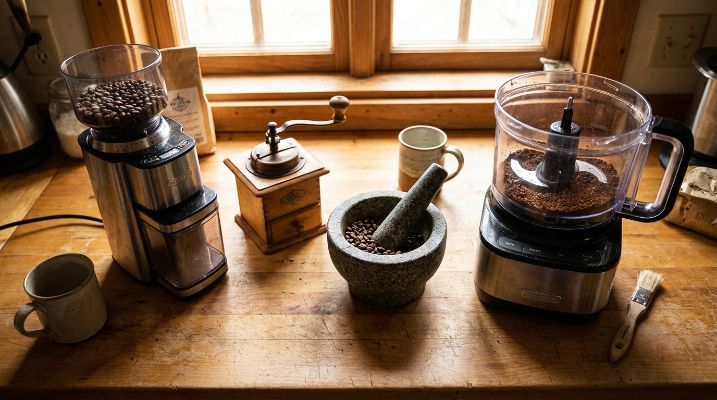
When grinding coffee beans, there are several methods available that can influence the resulting flavor of your brew. Electric grinders provide efficiency and consistent results, while manual grinders offer a tactile experience that allows for greater control over your grind size. Hand grinders typically produce more consistent grinds, which is vital for maximizing flavor extraction.
Another option includes the traditional mortar and pestle method, providing the ability to adjust the coarseness and force manually. This can create a varied texture that highlights certain flavor notes while muting others, depending on bean choice and grind level.
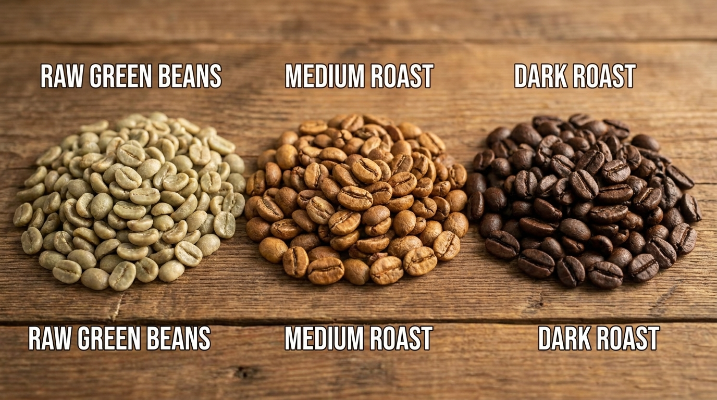
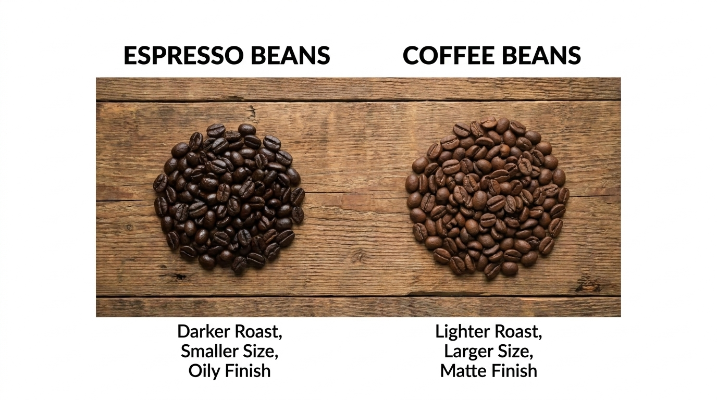
For those pressed for time, a food processor can also suffice, although achieving a uniform grind size can be challenging, often resulting in uneven extraction. Different bean types yield distinct flavors; light roasts shine with precision while coarser grinds soften the robust bitterness of dark roasts. Experimenting with these grinding methods can lead you to discover new dimensions in your brewing style.
Final Thoughts on Grinding Coffee Beans
Mastering the art of grinding coffee beans is essential for brewing the perfect cup. We’ve highlighted the direct correlation between grind size and extraction, as well as the importance of having the right tools—be it a burr grinder for precision or a quick blade grinder for convenience. Proper storage of your coffee is equally vital to retaining freshness and aromatic qualities. Embrace the potential of different grind sizes and brewing methods, discovering your perfect coffee grind. By investing time in refining your technique, you can unlock richer flavors and aromas that enhance your daily coffee ritual. Happy brewing!
You May Like
-

-
Coffee
Understanding Roasted Coffee Beans Transformation, Flavor, and Brewing
-
Coffee
Best Ground Coffee Everything You Need to Know Before You Buy
-
Coffee
Mastering Cold Brew Coffee Concentrate A Complete Guide to Making and Enjoying it at Home
-
Coffee
Culture Coffee How Coffee Culture Shapes Communities, Traditions, and Modern Lifestyles
-
Guide
Why Italian Coffee Tastes Better: Mimic The Secret Espresso Blend Now