Coffee
Best Ground Coffee Everything You Need to Know Before You Buy
Author:sana
|
Released:April 29, 2026
Choosing a decent bag of ground coffee can genuinely change how your mornings feel. But if you’ve ever searched for advice online, you’ve probably noticed a pattern: everything sounds beautifully written, slightly abstract, and not always helpful when you're standing in front of a supermarket shelf.
Coffee isn’t really about aesthetic descriptions or romantic flavor poetry. At its core, it’s a food product shaped by roast level, grind size, and freshness. Once you strip away the marketing language, choosing the best ground coffee becomes much more straightforward.
If you’re buying pre-ground coffee, it’s usually for one simple reason: convenience. You don’t want to deal with grinders, calibration, or extra steps in the morning—and that’s completely reasonable. The goal here isn’t to push perfection. It’s to help you avoid the most common mistakes and get consistently better cups.
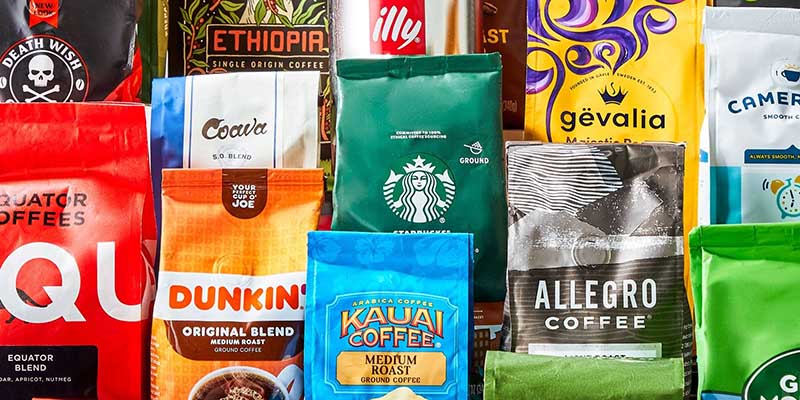
1. Roast Level Matters More Than You Think (But Not in a Complicated Way)
Most coffee bags talk about tasting notes like “floral jasmine,” “citrus brightness,” or “brown sugar finish.” While those descriptions can be accurate, they’re not always useful if you’re just trying to pick something that fits your taste.
A simpler way to think about roast level is how you actually drink your coffee.
Light Roast — Bright, But Not Always Easy
Light roasts preserve more of the coffee’s original character. You’ll often get higher acidity, lighter body, and more fruit-forward notes.
They tend to work best for people who enjoy:
- Filter coffee (like V60 or similar brewers)
- Black coffee without milk
- A more “tea-like” drinking experience
In practice, light roasts can feel a bit sharp if you’re used to café-style drinks. That doesn’t mean they’re better or worse—it just depends on preference.
If you usually add milk or sugar, a light roast might feel a bit unfamiliar at first.
Medium Roast — The Safest Starting Point
Medium roast is where most people naturally land, and for good reason. It balances acidity and sweetness, often leaning toward nutty, chocolate-like, or caramel notes.
It also works across a wide range of brewing styles, which makes it a reliable choice if you’re not sure what to pick.
If you’re exploring options for the best ground coffee for everyday use, medium roast is usually the least risky starting point.
Dark Roast — Bold, Heavy, and Familiar
Dark roasts develop deeper bitterness and heavier body. The original character of the bean becomes less noticeable, replaced by roasted, smoky, or cocoa-like notes.
This style tends to work well if:
- You drink coffee with a lot of milk
- You prefer stronger, more bitter flavors
- You use moka pots or espresso-based drinks
For example, blends like Lavazza’s darker roasts are often designed specifically for this kind of strong, milk-friendly profile.
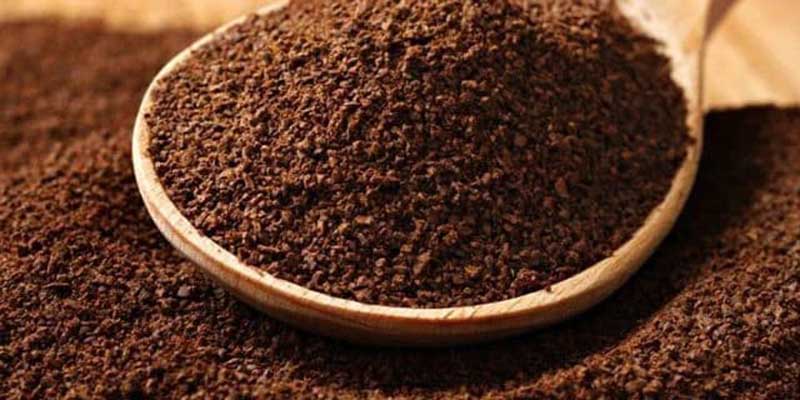
2. Grind Size Is Just as Important as the Coffee Itself
A common mistake when buying ground coffee is ignoring grind size completely. But grind size directly affects how water extracts flavor.
Think of it less like a technical detail and more like matching the coffee to your brewing method.
Fine Grind — For Pressure Brewing
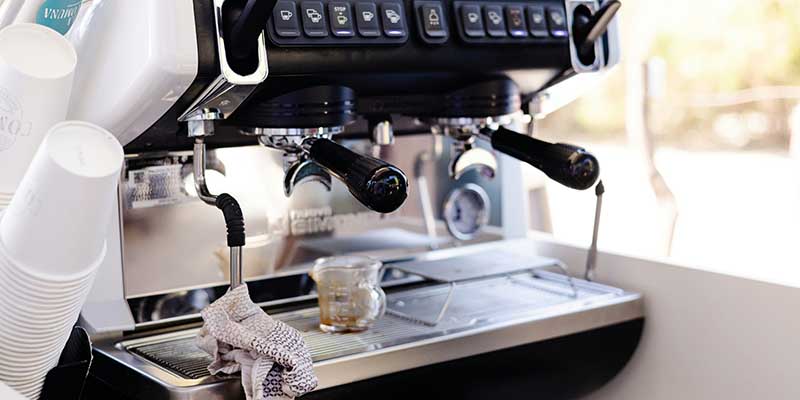
Fine grind works best with espresso machines or moka pots.
The particles are small, which helps water extract flavor quickly under pressure.
If the grind is too fine for your method, extraction can become uneven. If it’s too coarse, the coffee may taste weak or under-extracted.
Medium Grind — For Most Home Methods
Medium grind is the most versatile option. It works well for:
- Drip coffee machines
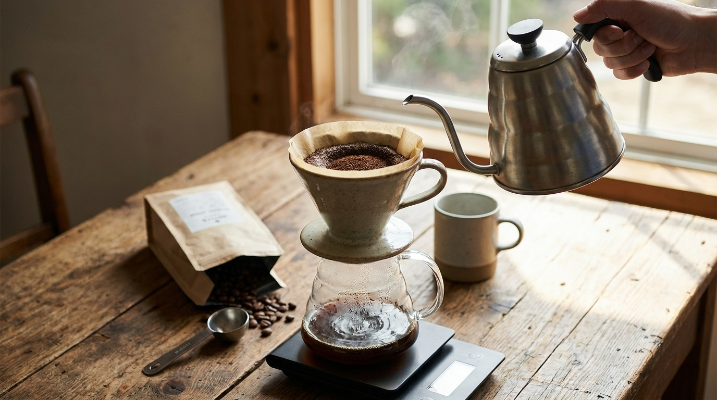
- Pour-over brewers
- Everyday home setups
This is also why many pre-ground coffees default to this size—it’s a compromise that “works okay” for most people.
Coarse Grind — For Slow Brewing
Coarse grind is used for immersion methods like French press or cold brew.
Because the coffee steeps for longer, larger particles help prevent over-extraction and reduce bitterness.
If you’ve ever had muddy French press coffee, grind size is often part of the reason.
3. Brand Choice: Don’t Overthink It, But Know What You’re Getting
Brand doesn’t guarantee quality, but it often tells you what style of coffee to expect.
Here’s a more grounded way to understand a few well-known names.
Peet’s Coffee
Known for darker, heavier roasts with strong body. A lot of their blends are designed to stand up well in milk-based drinks, which is why they’re popular for lattes and moka pot brewing.
Blue Bottle Coffee
Leans toward lighter, more aromatic specialty-style coffee. These tend to highlight acidity and fruit notes, which some people love and others find too bright depending on preference.
Stumptown Coffee Roasters
Sits somewhere in between. Many of their blends are complex and work well across espresso and filter methods, though they can feel more “specialty-focused” than everyday supermarket coffee.
Lavazza
A more traditional Italian approach, often using blends that include Robusta for stronger body and crema. These coffees are usually designed for espresso-style brewing and consistency rather than flavor experimentation.
The key point here is not which brand is “best,” but which style matches your routine.
4. Freshness Is Important — But Not in the Way People Think
One of the most misunderstood parts of ground coffee is freshness.
You’ll often see claims like “consume within 7 days,” which is technically true in terms of peak aroma—but a bit unrealistic for everyday use.
A more practical way to think about it:
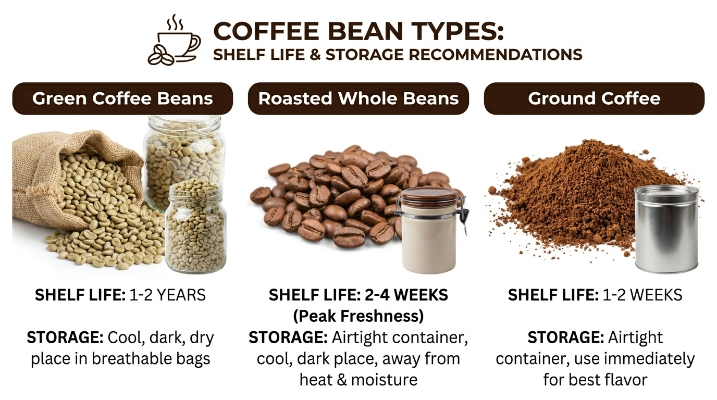
- Whole beans stay stable longer than ground coffee
- Ground coffee loses aroma faster due to surface exposure
- Packaging (especially vacuum or nitrogen-flushed bags) slows this process
What matters more than strict timelines is whether the bag shows a roast date. If you only see an expiration date with no roast date, it’s harder to judge quality.
Also, storage matters more than most people expect. A sealed bag kept away from heat and light will hold up significantly better than one left open on a kitchen counter.
5. A Simple Way to Choose Better Ground Coffee
If you want a practical shortcut, here’s a simple decision flow:
- If you drink coffee with milk → go medium or dark roast
- If you drink black coffee → try medium or light roast
- If you use espresso or moka pot → fine grind
- If you use French press or cold brew → coarse grind
- If you’re unsure → start with medium roast, medium grind
It’s not about finding the “perfect” coffee immediately. It’s about narrowing down what actually works for your daily routine.
Final Thought
Good coffee doesn’t need to feel complicated. Most of the frustration people have when buying ground coffee comes from mismatched expectations—not lack of knowledge.
Once you understand roast level, grind size, and freshness in a practical way, choosing the best ground coffee becomes less about guessing and more about matching.
And in most cases, consistency matters more than perfection.
You May Like
-

-
Coffee
How Long Do Coffee Beans Last A Comprehensive Guide to Freshness, Storage, and Quality
-
Coffee
Home Espresso Cleaning: The Dosage Trick Nobody Tells You
-
Coffee
Why Every Serious Barista Needs an Electric Burr Grinder
-
Coffee
Best Travel Coffee Mugs That Actually Keep Up With Your Busy Mornings
-
Guide
The Best Mocktails for Every Occasion (No Alcohol Needed!)