Coffee
How to Brew Pour Over Coffee A Step-by-Step Guide
Author:sana
|
Released:May 21, 2026
Pour over coffee is a beloved brewing method that emphasizes clarity and flavor extraction, making it a favorite among coffee enthusiasts. Unlike automatic coffee machines, pour over coffee requires a hands-on approach that allows individuals to control every element of the brewing process. From the selection of high-quality beans to the precise timing of water application, pour over techniques promise a rich sensory experience that many find rewarding. As you learn about this simple yet meticulous method, you'll discover that pour over coffee is more than just a drink—it's a delightful ritual.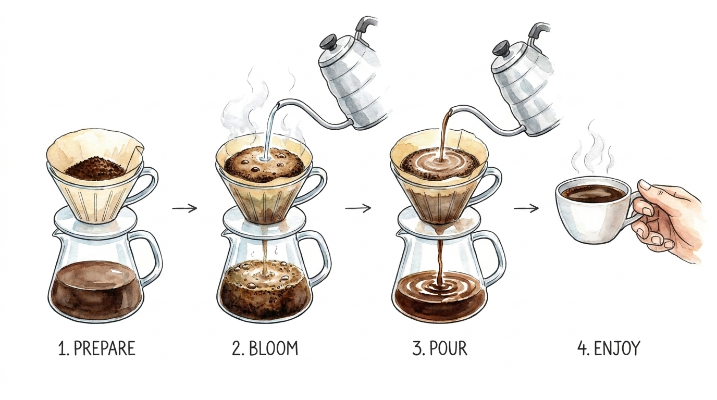
Understanding Pour Over Coffee
Pour over coffee is a meticulous brewing technique designed to give coffee aficionados complete control over the extraction process, resulting in a cup that is clean, flavorful, and uniquely vibrant. Originating in Europe during the early 20th century, this method gained traction for its simplicity and the focus it places on bringing out the coffee's inherent flavors. Unlike the more automated drip brewing methods, pour over relies on a manual process where hot water is poured over coffee grounds set in a filter, allowing for dynamic control of water temperature and extraction time.
The flavor profile produced by pour over coffee tends to be brighter and more pronounced than that of French press or traditional drip coffee. With the ability to finely control the saturation of coffee grounds, brew aficionados can achieve a more even extraction, highlighting delicate flavor notes and aromas that can easily be lost in other brewing methods. While French press coffee delivers a rich, full-bodied brew owing to its immersion brewing, it can lack the clarity that pour over achieves. Many connoisseurs favor the pour over method for its clean taste and its impressive capacity to accentuate the diverse characteristics of various coffee beans, making it a cherished choice among both amateur brewers and professional baristas.
Essential Ingredients for Brewing Pour Over Coffee
To craft an exceptional pour over coffee, gather these essential ingredients:
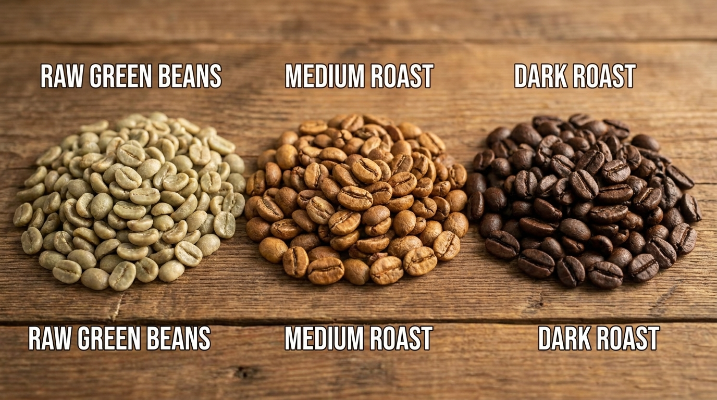
- Fresh Coffee Beans: Opt for quality single-origin beans, such as the vibrant Ethiopian Yirgacheffe, celebrated for its floral notes and bright acidity. Always choose freshly roasted beans to achieve optimal flavor.
- Filtered Water: Quality matters; employing filtered water is essential to avoiding impurities that could impact the taste. The optimal water temperature should fall between 195°F to 205°F (90°C to 96°C).
- Coffee Scale: Utilize a digital coffee scale to keep your measurements precise. This ensures both coffee and water are weighed accurately, promoting consistency with each brew.
- Pour Over Device: Select from popular options like the Chemex or Hario V60, each providing a different brewing experience and distinct flavor output.
Aim for a balanced brewing ratio of 1:15, which translates to 1 gram of coffee for every 15 grams of water, to guarantee a well-rounded cup.
Brewing Steps
Step 1: Prepare Your Equipment
For the finest pour over coffee, starting with spotless equipment is critical. Residual flavors from prior brews can alter the taste of your coffee; therefore, clean your kettle, pour over device, and cup thoroughly. Additionally, always utilize filtered water, as tap water may harbor impurities or additives like chlorine that can spoil the flavor of your intended brew. By starting with the right water, you can fully appreciate the coffee's richness and complexity.
Step 2: Measure Your Ingredients
Accurate measurement of your ingredients plays a vital role in brewing pour over coffee. A reliable starting guideline is to use 20 grams of coffee for every 300 milliliters of water, creating a harmonious balance that maximizes flavor extraction. Harness the precision of a digital scale to measure your coffee correctly and ensure repeatable success with your brews. While you can adjust the coffee-to-water ratio for different taste preferences, beginning with this standardized measurement will yield well-developed flavors.
Step 3: Grind Your Coffee
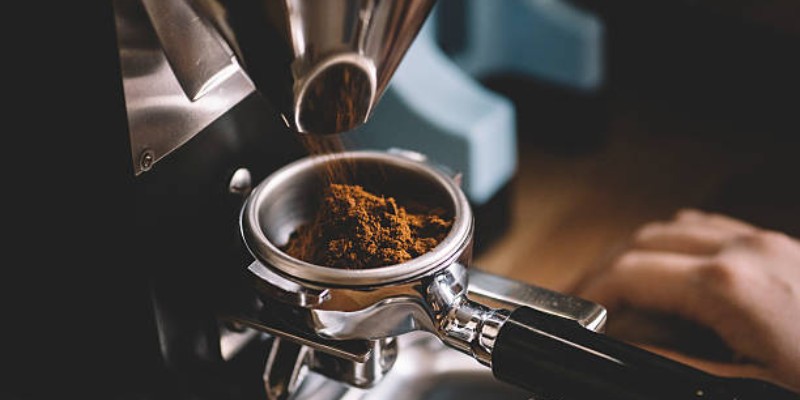
Selecting the correct grind size for the coffee beans is essential, as it significantly influences both the extraction process and the final taste. For pour over methods, a medium-coarse grind is often recommended, which should resemble sea salt in texture. This grind allows for optimal extraction during brewing. Using too fine a grind may lead to over-extraction and a bitter taste, whereas a grind that's too coarse could lead to under-extraction, producing a weak flavor. Thus, achieving the ideal grind is critical for unveiling your coffee's luxurious and complex flavors.
Step 4: Set Up the Pour Over Device
Properly setting up your pour over brewer is a key step in crafting the perfect cup. Begin by inserting a paper filter into the cone of your pour over device to separate the coffee grounds from the brewed liquid. It’s beneficial to pre-wet the filter with hot water to eliminate any potential paper taste and warm the brewer, promoting a smooth coffee flow. Once done, discard the excess water, and add your freshly ground coffee into the filter, ensuring even distribution.
Step 5: The Brewing Process
The most critical phase is undoubtedly the brewing process itself. Initiate with the blooming phase; gently pour a small quantity of hot water over the coffee grounds to saturate them (approximately double the weight of the coffee used) and allow them to bloom for roughly 30 seconds. This initial pour releases carbon dioxide trapped in the coffee, enhancing flavor extraction. Next, move into the pouring phase; employing a steady, circular motion, gradually pour the remaining hot water over the grounds, carefully maintaining a consistent water level until you have added the projected total amount. Ensure that you don’t pour directly onto the filter itself to promote even saturation.
Once all the water is introduced, proceed to the finishing phase, letting the coffee drip through entirely, which should span approximately 3 to 4 minutes, including the blooming phase. Patience is key here—rushing through could lead to an under-extracted cup that lacks depth and character. Your target should be a balanced brew that tantalizes with its rich aromas and layered flavors.
Step 6: Savor Your Brew
With your pour over coffee prepared, allow it to cool slightly to uncover the full spectrum of its flavor notes. As you take a sip, focus on identifying the subtle undertones—the lively acidity, the rounded body, the sweetness—and take mental notes of your interests. Every brewing experience provides a chance for continued exploration, so feel free to try different variables like grind size and water temperature for future brews that meet your preferences.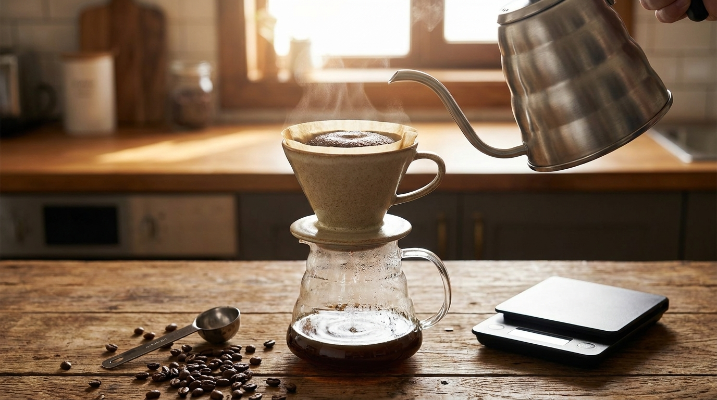
Exploring Variations in Pour Over Coffee
Pour over coffee is more than merely a brewing technique; it serves as a platform for creative exploration. One intriguing technique to consider is inverted brewing, which involves flipping the coffee steep upside down before allowing it to drain—often resulting in a more robust flavor. Moreover, enhancing the coffee with additives, including spices such as cinnamon or nutmeg, can elevate its aromatic profile. You may also enjoy adding milk or cream for a mellower finish. Each origin of coffee beans brings unique flavor notes, and testing beans from diverse regions can further unveil different taste experiences, allowing every enthusiast to uncover their ideal brew. Embrace the versatility of pour over coffee and customize your brewing experience!
Masters of the Pour
Perfecting the pour over coffee method involves both art and science, from ingredient selection to the fine-tuning of brewing techniques. Each step taken along the way contributes to producing a well-crafted beverage that reflects not just your preferences but also the intricacies of the coffee’s origin. As your skills evolve, your appreciation for the subtleties of coffee will deepen, inviting joy into this journey of taste and aroma. We encourage you to gather your gear and begin experimenting with pour-over coffee today, for the reward is not merely a drink but an experience that celebrates the delightful nuances of this beloved brewing method!
You May Like
-

-
Coffee
What Are Decaf Coffee Beans The Process, Benefits, and Taste Explained
-
Coffee
Can Pregnant Women Drink Coffee A Complete Guide to Caffeine Consumption During Pregnancy
-
Coffee
Barrel-Aged Coffee Beans: Taste Profiles and Aging Techniques
-
Coffee
How To Maintain Coffee Grinders For Long Life and Consistent Performance
-
Coffee
World-Class Espresso: The One Thing Your Home Machine Is Missing