Coffee
Culture Coffee How Coffee Culture Shapes Communities, Traditions, and Modern Lifestyles
Author:sana
|
Released:March 23, 2026
Coffee is much more than a beverage; it is an essential thread woven into the fabric of our daily lives, fueling routines and nurturing social connections. From bustling cafés to intimate gatherings, coffee serves as the backdrop for conversations and cultural rituals, embodying warmth and camaraderie. Through this article, we will delve into the fascinating world of coffee culture, exploring its significance not just as a drink but as a powerful connector that shapes communities and traditions. Prepare to uncover the rich tapestry of coffee’s role in modern lifestyles and its enduring impact on social interactions.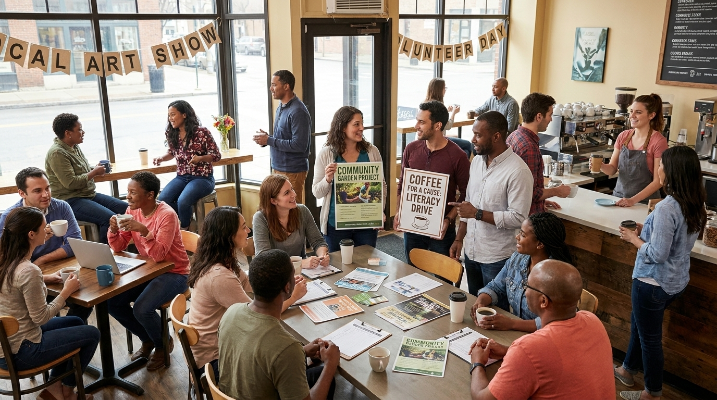
Defining Culture Coffee
Culture coffee transcends the simple act of drinking coffee; it embodies the rituals, traditions, and social interactions that shape identities and lifestyles across the globe. Take, for instance, the lively Italian espresso bars that serve as vital community meeting points, or the contemplative Japanese tea ceremonies that highlight mindfulness—these practices reflect the customs of diverse cultures. Ethiopia, revered as the birthland of coffee, showcases the coffee ceremony, which emphasizes hospitality and communal bonding, illustrating how coffee has the ability to unite people. In today's urban settings, coffee shops also act as havens for creativity and conversation, allowing individuals to define their personas within the context of bustling societies. Ultimately, culture coffee is a dynamic phenomenon, serving as a mirror that reflects both personal and collective identities, enriching social dynamics worldwide.
The History Behind Global Coffee Culture
Coffee's remarkable journey began in 15th-century Ethiopia, often punctuated by the legendary tale of a goat herder named Kaldi, who discovered the energizing effects of coffee beans. This beverage soon spread to the Arabian Peninsula, where Yemen became a major center for coffee cultivation and trade by the 16th century. Through time, the drink made its way to Persia, Egypt, and Ottoman Turkey, leading to the establishment of the first coffee houses known as qahveh khaneh in the 1550s. These spaces rapidly grew into hubs of social interaction, intellectual exchange, and political discourse.
By the 17th century, coffee had crossed into Europe via trade routes. Nations like England and France developed their own coffee houses, which became venues for stimulating conversations among patrons. In Britain, these establishments earned the moniker "penny universities" due to their low-cost entry and lively discussions. As coffee culture blossomed globally, it evolved from merely being a beverage into a significant social connector across various cultures, shaping community dynamics and collective engagement for centuries.
How Coffee Shops Shape Local Communities
Coffee shops have long acted as essential social gathering spaces, radically transforming the way communities connect and interact. As the rise of remote work gained momentum, these cafés have adapted, becoming indispensable hubs for freelancers and remote workers seeking inspiration and collaboration. Beyond their functional role as workspaces, coffee shops also host a variety of community events—from book readings to local art exhibitions and open mic nights—cultivating a spirit of engagement and creativity.
The warm and inviting atmosphere of these coffee shops nurtures conversations among patrons, strengthening local ties and creating a shared sense of belonging. Regular customers often forge friendships, contributing to a vibrant communal culture that enhances day-to-day life. During community fundraisers, for example, coffee shops can become points of convergence, drawing diverse groups together for a collective cause. As spaces designed for productivity and leisure, coffee shops encapsulate the essence of modern community dynamics, rendering them indispensable to local engagement and social interaction.
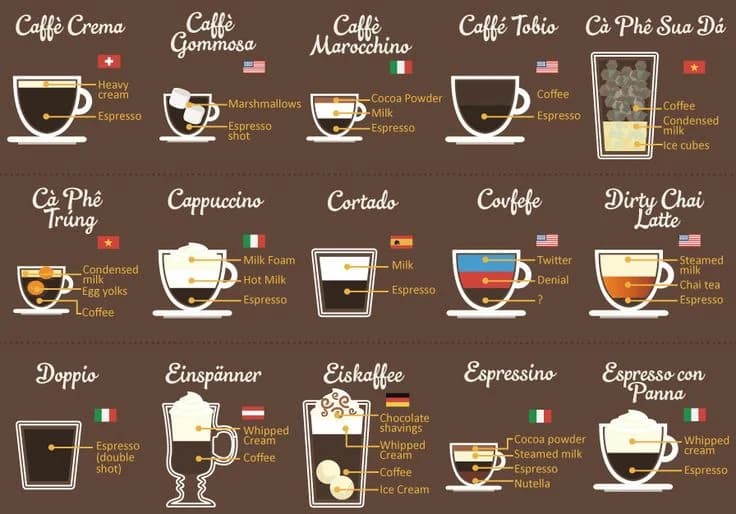
Coffee Rituals Around the World
Coffee is far from just a drink; it embodies the spirit of community and tradition in cultures worldwide. In Europe, café traditions create settings for leisurely interactions, wherein patrons sip their espresso or cappuccino amidst camaraderie. Italy’s iconic espresso bar culture—with its rapid shots gulped down standing—contrasts sharply with the indulgent French café experience, where patrons relish their drinks over hours, typically complemented by pastries.
In the Middle East, coffee customs are steeped in rich hospitality experiences. The crafting of Arabic coffee, infused with cardamom, becomes a ceremonial affair, served in small cups and often accompanied by dates, reflecting a cultural emphasis on generosity.
Asia brings forth unique coffee practices, like the Vietnamese coffee drip method, where strong coffee slowly filters through a metal device, crafting a robust, sweet brew. In Latin America, coffee is celebrated vibrantly through festivals, with Colombia’s Coffee Cultural Landscape recognized by UNESCO, emphasizing its integral role in community life. Across these diverse regions, coffee rituals serve not only as expressions of cultural identities but also as vital links uniting individuals through shared experiences.
The Rise of Specialty Coffee and Third Wave Coffee
The rise of the specialty coffee movement, often referred to as the Third Wave of coffee, has significantly altered consumer preferences, placing an emphasis on quality over quantity. This movement advocates for artisanal methods and highlights the unique characteristics of coffee sourced from specific regions, resulting in the increasing popularity of single-origin coffees in contrast to mass-produced blends. Consumers now engage in a taxonomy of coffee’s many nuances—from flavor profiles to brewing techniques—fostering an appreciation akin to that of fine wine.
Pioneering brands like Blue Bottle Coffee and Stumptown have propelled this cultural shift, introducing consumers to the benefits of direct trade practices and ethically sourced beans. They underscore the importance of transparency throughout the supply chain, nurturing a connection between growers and drinkers. Furthermore, as more cafés evolve into educational hubs, workshops and tasting sessions allow consumers to gain an informed understanding of coffee origins, processing methods, and brewing styles. This transition mirrors a broader societal focus on quality, sustainability, and personal connections, transforming coffee from a simple beverage into an experiential journey steeped in cultural importance.
Modern Coffee Culture and Changing Consumer Habits
In recent years, social media has dramatically reshaped coffee culture, influencing consumer habits and preferences. Platforms such as Instagram and TikTok abound with visually captivating coffee creations, catalyzing trends like latte art and unique brewing methods. Users share their personalized coffee rituals, morphing the beverage into a statement of individuality. Consequently, at-home brewing apparatuses such as the AeroPress and pour-over kits have become staples for enthusiasts yearning for café-quality experiences at home.
Moreover, sustainability considerations are reshaping consumer choices, with growing desires for ethically sourced beans and eco-friendly packaging. This eco-conscious mindset contributes to the rise of premium coffee experiences that emphasize quality over quantity, promoting the idea of savoring artisanal brews. As this landscape evolves, coffee transcends being just a drink—it morphs into a lifestyle, an expression of values, and a means of establishing profound connections with both community and environment.
The Cultural Brew: Coffee's Lasting Legacy
Coffee transcends mere consumption; it stands as a symbol of connection. Across cultures, the intoxicating aroma of brewing coffee ignites conversations, from laughter-filled cafés in Paris to tranquil moments at home in Brazil. Many sociologists and cultural researchers have noted that shared coffee rituals often strengthen social bonds and create opportunities for conversation, connection, and community.
For many individuals, coffee is intricately interwoven into the fabric of their identities, reflecting personal preferences and cultural heritage. Whether indulging in an artisan pour-over or opting for a straightforward cup of instant coffee, each choice tells a story of tradition and individuality. Looking to the future, it is likely that coffee culture will synergize with emerging technologies and sustainable practices, as coffee lovers seek more than a cup—aiming instead for connections that redefine social spaces in an ever-digitizing world.
You May Like
-

-
Coffee
The Top 10 Best Coffee Beans in the World How to Choose the Perfect Brew
-
Coffee
More Americans Drink Coffee Than Water: What's Behind the Numbers
-
Guide
2026 Coffee Tech Trends: Smart Machines and Connected Brewing
-
Guide
The Best Mocktails for Every Occasion (No Alcohol Needed!)
-
Guide
Decaf Coffee Doesn't Have To Suck: The Ultimate Bean Buying Guide