Coffee
Arabica vs Robusta Which Coffee Bean Reigns Supreme for Your Perfect Brew
Author:sana
|
Released:April 17, 2026
At the heart of this exploration are Arabica and Robusta beans—the two most prominent types worldwide—each offering distinct flavor profiles and characteristics. Arabica beans are prized for their smoothness and complex flavors, often featuring notes of chocolate and fruit, making them a favorite among enthusiasts. In contrast, Robusta beans are defined by their strength and higher caffeine content, delivering a bolder, more bitter taste that is sought after in specific blends and espresso preparations.
As we delve deeper into the coffee landscape, our mission is clear: to illuminate the various coffee bean options available to you. By the end of this article, you will have the knowledge needed to select the coffee bean that best aligns with your personal preferences, ensuring every sip of your brew is satisfying. Whether you are a longtime coffee lover or just beginning your journey, the perfect bean awaits your discovery.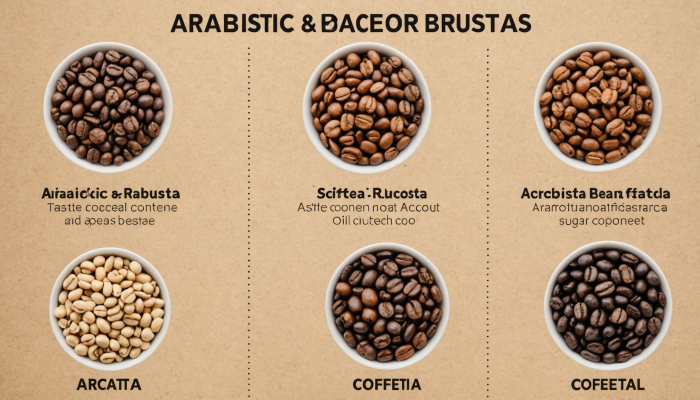
1. Taste: The Flavor Profiles of Arabica and Robusta
The defining factor that sets Arabica and Robusta beans apart is their flavor profiles. Arabica beans are renowned for their delicate sweetness, often enhanced by floral and fruity notes. This subtlety creates a smoother experience, preferred by those who appreciate lighter, more nuanced brews. Conversely, Robusta beans deliver a more intense flavor characterized by pronounced bitterness and earthy undertones, catering to drinkers who seek a bold and vigorous cup. The disparity in flavor significantly influences consumer choices, allowing enthusiasts to select their beans based on these taste contrasts, ultimately enriching their brewing experience.
2. Aroma: The Scent That Enhances Coffee
Aroma plays a pivotal role in the coffee-drinking experience, with Arabica and Robusta beans each offering distinct scents. Arabica beans showcase a complex fragrance profile, rich in floral notes and hints of fruit—such as berries and citrus—sometimes mingling with chocolate. This aromatic depth is crucial for many, enhancing the overall sensory experience. Conversely, Robusta beans tend to present a more straightforward aroma, typically earthy and woody, occasionally with nutty undertones. While these aromas can be enjoyable, they often lack the intricate layers found in Arabica, underscoring the importance of aroma in defining personal preferences within the realm of coffee.
3. Caffeine Content: The Energy Factor
One of the most pronounced differences between Arabica and Robusta coffee beans lies in their caffeine content. Arabica beans generally contain between 1.2% and 1.5% caffeine, whereas Robusta beans can range from 2.2% to 2.7%. This elevated caffeine concentration in Robusta beans results from their resilience and adaptability, allowing them to thrive in less-than-ideal conditions while developing robust defenses against pests. For many coffee enthusiasts, particularly those in search of a stronger beverage, Robusta's higher caffeine content offers a twofold appeal: a potent flavor and a swift energy boost, making it a favored choice for espresso blends and drinks that prioritize intensity.
4. Acidity in Coffee Beans: A Flavor Balance
Acidity is a crucial element that influences the flavor of coffee, especially noticeable in Arabica and Robusta beans. Arabica typically exhibits a higher acidity level, which enhances its bright flavors and fruity notes. This vibrancy can create a well-rounded cup commonly described as smooth and balanced. In contrast, Robusta’s lower acidity results in a heavier, earthier flavor profile that appeals to those seeking straightforward tastes. For consumers with sensitive stomachs, acidity levels can be a determining factor when selecting coffee. While Arabica coffee offers a rich and complex experience, Robusta represents a gentler alternative for those seeking lower acidity without sacrificing the caffeine boost.
5. Sugar and Oil Content: Keys to Flavor and Texture
The sugar and oil concentrations in Arabica and Robusta beans crucially affect their overall flavor profiles and mouthfeel. Arabica beans often boast higher sugar levels, averaging around 6-9%, which contributes to their sweet and complex flavors along with a smooth mouthfeel. This sweetness enhances their brewing versatility, making them ideal for methods like pour-over or cold brew. Conversely, Robusta has lower sugar content, around 2-4%, resulting in a more bitter flavor. Nonetheless, Robusta is richer in oil, contributing to a fuller crema in espressos and a weightier body. These differences are paramount for espresso preparations, where Arabica's sweetness bolsters crema and flavor clarity, while Robusta's depth satisfies desires for a robust cup.
6. Price Differences Between Arabica and Robusta Beans
The cost discrepancy between Arabica and Robusta coffee beans significantly affects market availability, primarily driven by cultivation challenges and fluctuating demand. Arabica beans are sought after for their complex flavors and quality requirements, necessitating precise growing conditions that elevate their market prices. They thrive under specific climates at higher altitudes, while Robusta beans' hardiness allows for greater resilience and a more accessible price point, often making them preferable for instant coffee and bulk purchases. This reality means that while premium coffee experiences come with a higher price tag, consumers can find satisfaction through Robusta's robust nature on a budget.
7. Growing Conditions: The Environmental Impact
Arabica and Robusta beans flourish under very different environmental conditions, influencing their flavor and availability. Arabica beans prefer cooler climates, thriving at altitudes of 2,000 to 6,000 feet. They flourish in temperatures ranging from 60°F to 75°F and demand steady rainfall with nutrient-rich, well-drained soil. These ideal conditions contribute to Arabica's distinct flavors, often associated with acidity and sweetness, thus favoring its popularity among coffee aficionados. On the other hand, Robusta beans demonstrate greater resilience, growing well at lower altitudes (600 to 3,000 feet) in hotter temperatures, typically from 70°F to 85°F. This hardiness often results in a bitter flavor profile, along with higher production rates, which frequently makes them a more affordable option.
8. Bean Appearance: Visual Indicators of Quality
The physical characteristics of coffee beans also vary considerably between Arabica and Robusta, impacting grading and market perceptions. Arabica beans tend to be larger and oval-shaped, with a distinct curved crease. Their coloring can range from light to dark brown, mirroring their complex flavor range. Conversely, Robusta beans are smaller, rounder, and typically display a darker, more uniform hue, with their straight crease offering a different appearance. Such physical distinctions directly correlate with grading and pricing; Arabica beans often command higher prices due to their association with premium quality among consumers, while Robusta is recognized for its robustness, appealing to various coffee drinkers seeking intensity.
9. Use in Espresso and Blends: Crafting the Perfect Brew
In the world of espresso, Arabica beans are typically the preferred choice due to their smooth, complex flavors and lower acidity, contributing to a clean, balanced espresso shot. Their higher sugar content enhances sweetness and crema production—critical in achieving a flavorful espresso experience. Conversely, Robusta beans are often incorporated into espresso blends to provide added intensity and create a fuller-bodied espresso. Blends often capitalize on the strengths of both varieties; Arabica is favored for nuanced flavor profiles, while Robusta contributes to strength and cost-effectiveness, allowing roasters to craft balanced flavors that resonate with diverse consumer preferences.
10. Global Production: Trends and Current Statistics
As of 2023, global coffee production patterns reflect key trends in the cultivation of both Arabica and Robusta beans. According to the International Coffee Organization, Arabica accounts for approximately 60-70% of total coffee production. Nonetheless, there is an observable shift towards increased Robusta cultivation, owing to its resilience against climate change and diseases. In 2022 alone, Robusta production reached around 177 million 60-kilogram bags, whereas Arabica fell to approximately 120 million bags. This shift represents a notable consumer inclination towards more robust coffee varieties. Furthermore, as demand for specialty coffees rises, more farmers are transitioning to Arabica production, particularly in regions like Brazil and Colombia, with Vietnam retaining its reputation as the leading Robusta producer. These evolving dynamics continue to shape global coffee markets and consumer choices.
Weighing the Pros and Cons: A Quick Glance
Choosing between Arabica and Robusta coffee beans entails weighing the advantages and disadvantages of both options.
Arabica Beans:
Pros: Renowned for smoother, sweeter tastes and complex flavors, Arabica offers a superior aroma, delighting many coffee lovers. They generally feature lower caffeine content, ensuring a less bitter experience for those favoring delicate brews.
Cons: However, Arabica beans are more vulnerable to pests and varying conditions, necessitating precise cultivation methods, resulting in higher prices.
Robusta Beans:
Pros: Robusta tends to contain more caffeine, providing a bolder, full-bodied brew ideal for blends and espressos. Their hardiness makes them easier to grow, translating to more affordable pricing.
Cons: On the flip side, Robusta tends to deliver less desirable flavors and lacks the rich aroma of Arabica, which may not suit every coffee drinker's taste.
Optimal Bean for Espresso: A Tailored Recommendation
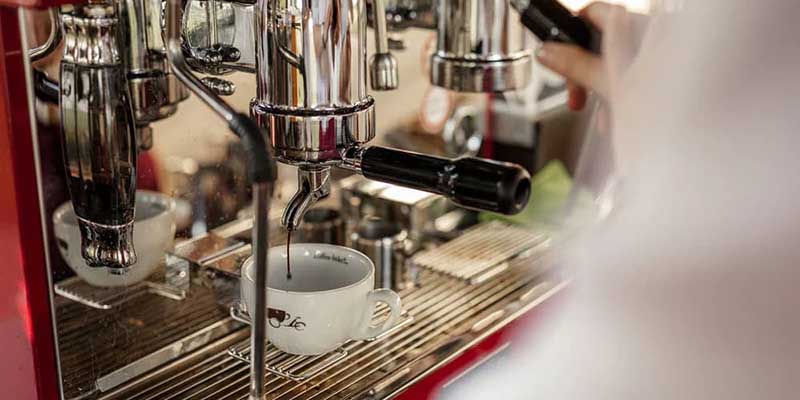
In crafting the perfect espresso, the choice between Arabica and Robusta beans plays a crucial role in flavor and extraction qualities. Arabica enriches espresso with its delicate flavor profiles and nuanced sweetness, offering a sophisticated experience. In contrast, Robusta targets drinkers preferring bold and robust shots, driven by its high caffeine content and ability to produce a thick crema. Ultimately, your choice hinges on whether you favor a refined espresso experience (Arabica) or a potent and powerful shot (Robusta).
Optimal Bean for Strong Coffee: Making the Right Choice
For those pursuing a strong coffee experience, Robusta beans are the ultimate choice due to their elevated caffeine levels (approximately 2.2% to 2.7%). Known for their pronounced, earthy flavor, Robusta fulfills the desires of drinkers who crave a powerful brew. Alternatively, if one seeks a smoother experience infused with subtlety, blending both beans can enhance strength while preserving taste. Ultimately, prioritize Robusta for maximum strength and caffeine impact, particularly in espresso preparations.
The Ultimate Choice: Personal Preference
In the ongoing discussion of Arabica vs. Robusta, the ideal coffee option largely depends on individual preferences. If you cherish a refined, flavorful cup marked by complex aromas, Arabica beans will likely become your preferred choice due to their ability to craft a memorable drinking experience. Conversely, if you lean towards a robust flavor that also packs a caffeine punch, Robusta will be your bean of choice, ideal for those who enjoy an energetic boost.
Ultimately, exploring both types can enhance your coffee journey, inviting you to uncover flavors that resonate with your unique palate. Each bean offers a distinctive experience, and the adventure to find your perfect brew brings joy to the vibrant world of coffee culture.
You May Like
-

-
Coffee
How Long Do Coffee Beans Last A Comprehensive Guide to Freshness, Storage, and Quality
-
Coffee
The Ultimate Guide to Cold Brew Coffee Why Everyone Is Obsessed
-
Coffee
Your Coffee Beans Changed and Your Brew Tastes Off. Here’s How to Fix It.
-
Coffee
10 Best Gadgets and Accessories to Delight Coffee Lovers
-
Coffee
Best Coffee Tampers for Espresso Beginners: 5 Picks for Consistent Shots