Coffee
What Are Decaf Coffee Beans The Process, Benefits, and Taste Explained
Author:sana
|
Released:May 14, 2026
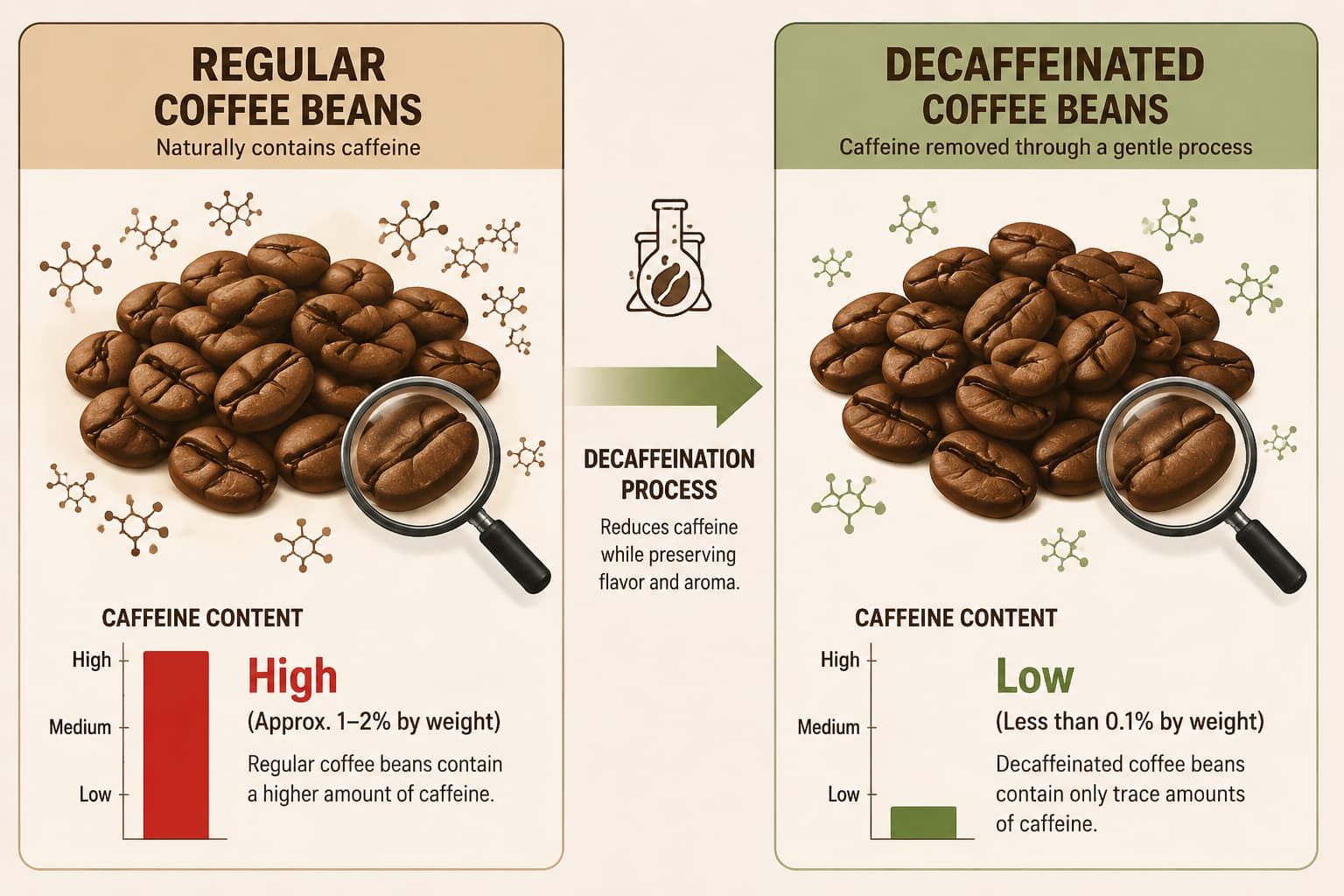
Decaf coffee beans are specifically processed to have most of their caffeine removed, typically containing only about 2 to 5 milligrams of caffeine per cup compared to around 95 milligrams found in a regular cup of coffee. It is important to clarify that the term 'decaf' does not imply that these beans are entirely caffeine-free, a common misunderstanding among coffee drinkers. This distinction plays a significant role in both consumer preferences and health aspects. By examining the decaffeination process and its effects on flavor and quality, we see how these variables significantly influence the decaf coffee experience for both enthusiasts and casual drinkers.
When Are Coffee Beans Decaffeinated?
The decaffeination process occurs at a pivotal moment in the lifecycle of coffee beans—specifically, while they are still green and unroasted. Typically, this process is executed immediately after the coffee cherries are harvested and prior to roasting. This timing is crucial as it minimizes the risk of compromising the beans’ essential flavor compounds, which can be adversely affected by the high temperatures of roasting.
Decaffeination at the pre-roasting stage has substantial implications for the final brew's taste profile. When beans are decaffeinated while still in their green form, they maintain a higher degree of their original flavor characteristics. This retention ultimately results in a superior quality decaf coffee, providing a satisfying experience for consumers who wish to lessen caffeine intake without compromising taste. Understanding the moment of decaffeination empowers coffee lovers to make informed selections regarding their decaf choices, appreciating the significance of flavor preservation in their enjoyment of decaf coffee.
How Coffee Beans Are Decaffeinated: Common Methods Explained
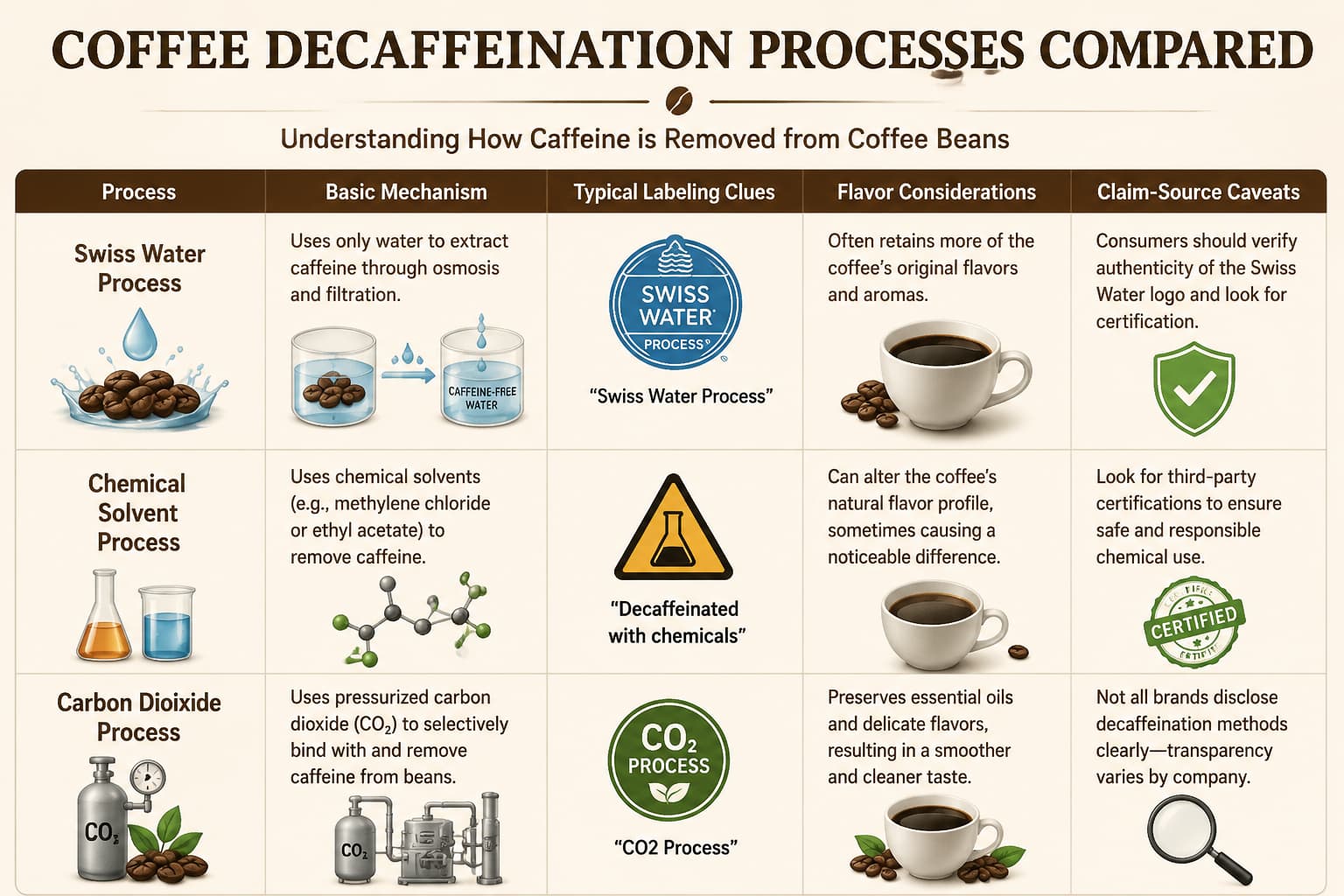
Decaffeination is a precise and carefully executed process designed to extract caffeine from coffee beans while attempting to retain the original flavor as much as possible. The three main methods utilized are the Direct Solvent Method, Indirect Solvent Method, and the Water-Based and Supercritical Carbon Dioxide Process.
The Direct Solvent Method entails soaking coffee beans in a solvent such as methylene chloride or ethyl acetate. This solvent has a selective affinity for caffeine molecules, promoting their effective removal. Although this method is proficient, it may lead to subtle alterations in flavor due to the potential extraction of essential oils that contribute to coffee's rich taste.
The Indirect Solvent Method, on the other hand, initially steeps the coffee beans in hot water, allowing caffeine, flavors, and oils to dissolve. This water is subsequently treated with a solvent that extracts the caffeine, with the flavorful liquid returned to the beans. This method preserves more of the original taste compared to the direct approach, though it can still lead to some loss of volatile components.
The Water-Based and Supercritical Carbon Dioxide Process utilizes water and CO2 as its primary extraction agents. In this method, the beans are saturated with water, followed by the application of pressurized CO2 to extract caffeine. Although this sophisticated method is the least invasive and best at preserving flavor complexity, it requires advanced technology and is typically more costly to implement.
Each method has distinct advantages and drawbacks when it comes to caffeine retention and flavor preservation, presenting an opportunity for further exploration in comparing these approaches.
Does Decaf Coffee Still Contain Caffeine?
It is commonly believed that decaffeinated coffee is entirely devoid of caffeine; however, this perception is misleading. Decaf coffee generally retains traces of caffeine, with studies showing that the residual caffeine content can range from 0 to 7 mg per 8-ounce serving, with most averaging between 2 to 5 mg. This caffeine content can fluctuate based on the decaffeination method used and the type of coffee bean.
For instance, the Swiss Water Process is noted for eliminating approximately 97% of the caffeine content. However, it is often observed that coffee processed through this method may still have around 3 mg remaining per serving. Popular brands, such as Starbucks and Peet's, typically contain 15 mg or less per 8-ounce cup, a notably lower figure in comparison to over 90 mg present in traditional brewed coffee.
For individuals who closely monitor their caffeine consumption, it's vital to recognize that while decaf can still deliver small amounts of caffeine, it is unlikely to influence sensitivity, particularly when consumed in moderation. It's advisable to review product labels for precise caffeine information as various brands and brewing approaches can yield different results. Grasping these variations aids coffee enthusiasts in making informed decisions while permitting them to enjoy their favorite brews without the jitters.
Flavor, Roasting, and Freshness Dynamics
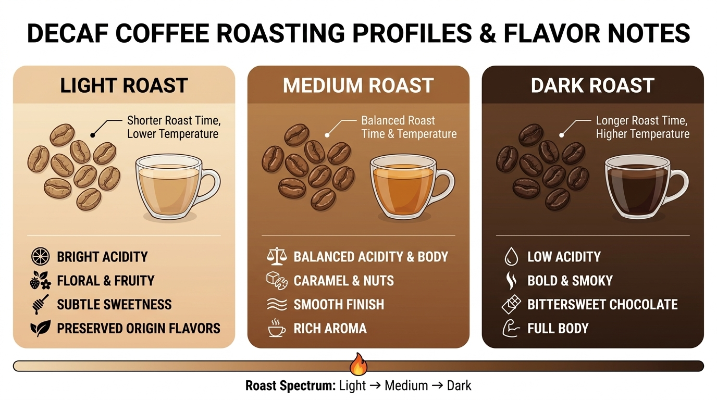
Roasting is a pivotal factor that determines the flavor profile of decaf coffee. Lighter roasts typically preserve the inherent qualities of the beans, resulting in more floral and fruity notes, whereas darker roasts encompass bolder, chocolatier flavors. The method of roasting can also interplay with the decaffeination process, potentially leading to flavor degradation if executed inadequately.
Freshness equally influences flavor; stale decaf beans may yield a lackluster taste that overshadows even the finest roasting efforts. To ensure quality, consumers should check for the roast date on packaging and select beans that have been roasted just within two weeks.
When evaluating decaf coffee, also consider aspects such as aroma, acidity, and body, all of which signal the quality of flavor. By understanding these pivotal components, coffee lovers can make more discerning choices and amplify their decaf coffee experience.
Is Decaf Coffee Safe? Labeling, Processing, and Health Considerations
Decaffeinated coffee has gained popularity among those wishing to curtail caffeine intake without sacrificing the joy of coffee drinking. Regulatory guidance, including that from the U.S. Food and Drug Administration (FDA), allows that decaf coffee may contain up to 3% of caffeine, which is considered safe for most consumers when enjoyed in moderation (typically around 3 to 4 cups a day). Additionally, some independent research indicates that there are health benefits associated with consuming decaf, such as potential antioxidant properties, although caution is warranted, as many studies may lack large sample sizes and rigorous methodologies.
Organizations such as the National Coffee Association (NCA) are often advocates for decaf coffee consumption and provide general health recommendations. Nevertheless, consumers should critically assess the difference between claims supported by independent research compared to marketing-driven assertions. Brands may highlight health benefits related to decaf without concrete evidence, thereby necessitating thorough scrutiny of these claims. A careful overview of the relevant scientific literature is suggested to distinguish verified claims from marketing rhetoric, enabling better informed choices regarding decaffeinated coffee consumption.
A Practical Guide for Choosing Decaf Beans
When it comes to selecting decaf coffee, here’s a checklist to ensure your choice is both delightful and high caliber:
- Roast Date: Always confirm a recent roast date. Freshly roasted beans maintain flavor better than dated beans.
- Origin: Investigate the beans' origin. Various regions produce distinct flavor profiles that can enrich your coffee experience.
- Decaf Method: Be familiar with the decaffeination methods (like the Swiss Water Process or the CO2 method), as these affect flavor retention. Choose brands that transparently label their decaf processing.
- Whole vs. Ground: Whole beans generally keep freshness longer compared to pre-ground coffee, yielding a more flavorful brew.
- Packaging for Freshness: Review packaging that safeguards against light and air, which can diminish your coffee's quality over time.
By making informed choices based on these elements, you can significantly enhance your enjoyment of decaf coffee, steering clear from misleading labeling or substandard products.
Key Takeaways About Decaf Coffee Beans
Understanding decaf coffee beans, the decaffeination process, and the factors that influence flavor can help consumers make more informed coffee choices. The process of removing caffeine involves different methods, each with its own approach and potential impact on the final taste and aroma of the coffee.
While decaf coffee is not completely caffeine-free, it contains significantly less caffeine than regular coffee and can be a suitable option for those who prefer to reduce their caffeine intake. Factors such as processing method, bean quality, roast level, and brewing technique all contribute to the overall coffee experience.
By learning how decaf coffee is produced and what to consider when selecting beans, coffee drinkers can better evaluate their options based on flavor preferences, caffeine needs, and personal habits.
You May Like
-

-
Coffee
Coffee Syrups That Make Every Cup Taste Better
-
Coffee
Instant Coffee Can Taste Great. You're Probably Doing It Wrong
-
Coffee
Specialty Coffee Trends: Rare Beans, Functional Blends, And Creative Drinks
-
Coffee
Best Travel Coffee Mugs That Actually Keep Up With Your Busy Mornings
-
Guide
The #1 Reason Your Coffee Tastes Burnt (And How To Fix It Forever)