
Coffee
Is Drinking Coffee Good for Health A Comprehensive Analysis
Author:sana
|
Released:May 10, 2026
Coffee, a cherished beverage enjoyed by millions worldwide, has captivated the senses and taste buds of people for centuries. This aromatic liquid, derived from roasted seeds of the Coffea plant, is more than just a morning pick-me-up; it embodies a rich tapestry of flavors and aromas that vary by region and roast. Given its immense popularity, an essential question arises: Is drinking coffee beneficial to health? This article aims to thoroughly explore the myriad health effects of coffee, offering readers a clear and ranked analysis of its advantages and potential drawbacks. From understanding the science behind caffeine to presenting guidelines for mindful consumption, we embark on a comprehensive exploration that empowers you to make informed choices about your coffee habits. Prepare to delve into the intricate relationship between coffee and health, ultimately shedding light on what this dark elixir means for your well-being.
Celebrating the Multifaceted Health Benefits of Coffee
Coffee is not merely a beverage; it is a source of numerous health benefits stemming from its rich composition. The primary ingredient, caffeine, is a natural stimulant that can help improve alertness and cognitive function. Moreover, coffee is abundant in antioxidants and polyphenols, which play significant roles in enhancing overall health.
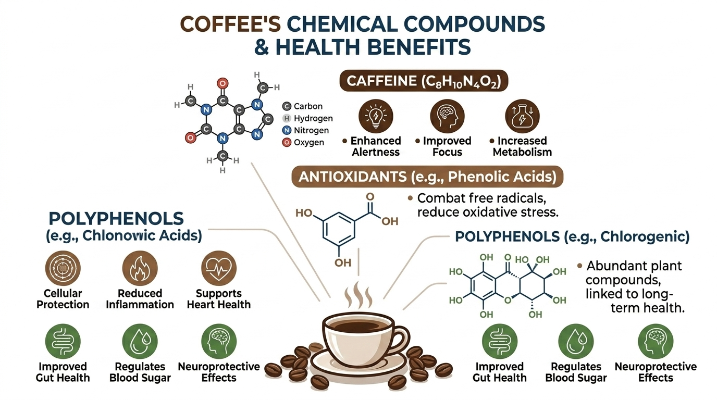
Antioxidants are molecules crucial in combating oxidative stress within the body. By neutralizing harmful free radicals, they contribute significantly to health, as excess oxidative stress can result in chronic diseases such as heart disease and cancer. Polyphenols, coupled with their anti-inflammatory and antioxidant properties, enhance metabolic rates and support cardiovascular health.
Together, these components not only craft coffee's robust flavor but also form the foundation for its potential health benefits. Emerging studies suggest that moderate coffee consumption can lower the risk of certain diseases, enhancing its reputation as a valuable addition to daily diets. By understanding these core components, individuals can make more informed decisions regarding their coffee consumption, unlocking its full health potential.
Dissecting Key Ingredients in Coffee and Their Health Benefits
Coffee is an elixir rich in beneficial components that can elevate health and well-being. Among these, caffeine reigns as the most recognized ingredient, known for its ability to energize, sharpen cognitive performance, and enhance focus and concentration. Research indicates that moderate caffeine intake may also bolster metabolism, which can aid weight management efforts.
Another critical component is antioxidants, which play a pivotal role in reducing body inflammation. These compounds help neutralize detrimental free radicals, effectively lowering the risk of chronic conditions such as heart disease and cancer. By counteracting oxidative stress, antioxidants contribute to increased longevity and vitality.
Lastly, coffee is a treasure trove of polyphenols, powerful compounds known to guard against chronic diseases like diabetes and cardiovascular issues. Polyphenols have been associated with better heart health by regulating blood pressure and improving cholesterol levels. Additionally, they enhance the body's ability to manage glucose levels, making coffee an intriguing variable in diabetes management.
In essence, the primary ingredients found in coffee—caffeine, antioxidants, and polyphenols—offer notable health benefits that support a healthier lifestyle, solidifying coffee's status as a cherished beverage across the globe.
Unveiling the Health Benefits of Drinking Coffee
Caffeine, the crucial ingredient in coffee, boasts numerous health benefits that continue to elevate its popularity. In this section, we will dive into three major health advantages associated with coffee consumption: enhanced cognitive function, a reduced risk of specific diseases, and improved metabolic health.
Enhanced Cognitive Function
Studies have consistently shown that caffeine intake can lead to remarkable improvements in cognitive performance. For example, research conducted at the University of South Florida found that caffeine intake significantly boosts attention and memory. A study involving participants consuming 200 mg of caffeine documented a notable increase in focus during complex tasks. Additional research published in the journal Psychopharmacology found that caffeine enhances both working memory and response speed by as much as 30% compared to those who received a placebo.
Reduced Risk of Specific Diseases
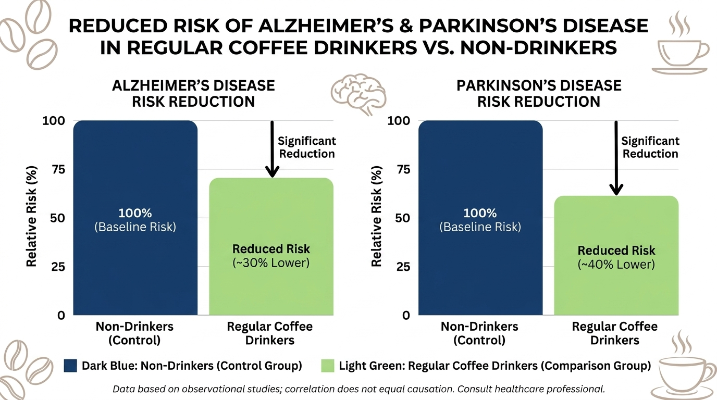
Regular coffee consumption is also associated with a lower risk of neurodegenerative diseases, including Alzheimer's and Parkinson's. A study in The Journal of Alzheimer's Disease revealed that individuals consuming three to five cups of coffee daily exhibited a remarkable 65% reduction in the risk of developing Alzheimer's disease. Furthermore, researchers find that coffee drinkers are up to 41% less likely to develop Parkinson's disease. The World Health Organization also confirms coffee's properties that help reduce the risks of certain cancers, predominantly liver and colorectal cancers.
Improved Metabolic Health
Coffee consumption plays a vital role in promoting metabolic health. Studies published in The American Journal of Clinical Nutrition have found that caffeine can temporarily increase resting metabolic rate by approximately 3% to 11%, depending on the dose and pattern of consumption. However, researchers note that this short-term increase in energy expenditure should not be interpreted as evidence that coffee alone leads to meaningful long-term weight loss. Additionally, participants showed reduced blood sugar levels after consistent coffee consumption, further suggesting that coffee can decrease the risk of developing type 2 diabetes by 30-50%.
Overall, incorporating coffee into one's daily routine can yield various health benefits, from cognitive enhancements to disease prevention and metabolic support.
Actionable Guidelines for Effective Coffee Consumption
To harness coffee's numerous health benefits while minimizing potential risks, consider the following practical guidelines for optimal coffee consumption:
- Moderation is Key: For the average adult, consuming 3 to 4 cups of coffee per day is advisable. This quantity can yield health benefits such as improved cognitive function and reduced risks of diseases, including type 2 diabetes and heart disease.
- Mind Individual Sensitivities: It is essential to recognize that unique health conditions, like anxiety disorders or acid reflux, can influence caffeine sensitivity. Individuals with such conditions may need to limit their intake to one or two cups daily or opt for decaffeinated coffee.
- Strategic Timing: Consider optimizing the timing of your coffee consumption. Enjoying coffee during mid-morning or early afternoon can enhance alertness without disrupting sleep cycles, while consuming coffee late in the day might interfere with rest.
- Stay Hydrated: Due to coffee's diuretic nature, maintaining hydration is vital. Balance coffee intake with water consumption throughout the day to uphold overall hydration levels.
- Personalize Your Consumption: Tune in to your body's signals. If adverse effects like jitters or digestive issues arise, reevaluate your consumption habits. Keeping a journal can help track how varying amounts impact your health and overall well-being.
By implementing these guidelines, you can optimize your coffee enjoyment while aligning consumption with your personal health requirements and lifestyle choices.
Exploring Varieties of Coffee and Their Health Implications
With a plethora of coffee types available, each brings distinctive flavors and varying health consequences. For instance, espresso, acclaimed for its concentrated caffeine content, can enhance alertness, although excessive consumption may trigger increased anxiety. Conversely, filter coffee, brewed at lower temperatures, can be linked to lower cholesterol levels due to the removal of specific oils during its preparation.
For those seeking to limit their caffeine intake, decaffeinated coffee presents a gentler alternative that still allows for the enjoyment of its rich flavor. Interestingly, some studies indicate that decaf still retains antioxidant benefits, albeit to a lesser extent than regular coffee.
The preparation method significantly influences coffee's health effects. For example, French press brewing retains oils that may impact cholesterol levels, whereas paper filters can eliminate these oils. Moreover, dietary additions such as sugar and cream can notably alter the health outcomes associated with coffee consumption. Adding excessive sugar or high-fat cream can diminish coffee's inherent antioxidant benefits while increasing caloric intake.
In conclusion, the various coffee types and preparation methods lead to differing health implications. Recognizing these distinctions empowers consumers to make informed choices regarding their coffee habits, maximizing positive outcomes while mitigating health risks associated with consumption.
Embracing Coffee in a Balanced Lifestyle
In conclusion, coffee presents an array of health benefits—from boosting cognitive function to lowering the risk of various diseases. Nonetheless, moderation remains paramount; when consumed thoughtfully, coffee can enrich one’s lifestyle, enhancing overall health without incurring the adverse effects tied to excessive consumption.
You May Like
-

-
Coffee
Mastering Cold Brew Coffee Concentrate A Complete Guide to Making and Enjoying it at Home
-
Guide
Save Time & Money: The Ultimate Guide To Perfect Drip Coffee Every Day
-
Guide
Your Coffee Storage Is Wrong: The 5 Things You Must Avoid Immediately
-
Recipe
Ginger Bread Latte Recipe: Get The Holiday Taste Before It's Too Late
-
Recipe
The Perfect Cortado: Why This Small Drink Gives The Best Caffeine Kick