Coffee
How to Grind Coffee Beans for Better Flavor at Home A Comprehensive Guide
Author:sana
|
Released:April 11, 2026
When it comes to brewing the perfect cup of coffee, understanding the importance of grinding coffee beans cannot be overstated. The grind size directly influences the extraction process and ultimately affects the flavor profile of your brew. From the bold richness of a French press to the delicate nuances of pour-over methods, the correct grind size matters significantly. Furthermore, the type of grinder—whether a blade or burr grinder—further impacts your coffee experience by ensuring consistency. In this guide, we will delve into how to grind coffee beans effectively at home, unlocking the full potential of your favorite brews.
What is the best way to grind coffee beans at home?
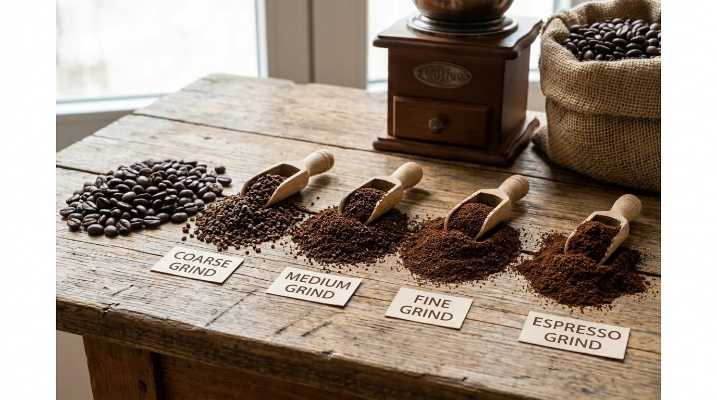
Grinding coffee beans at home not only enhances flavor but also maximizes the release of essential oils and aromas that are vital for a truly enjoyable coffee experience. A quality burr grinder is highly recommended as it provides a consistent grind size, crucial for balanced extraction during brewing. Regardless of your preferred brewing method, whether it be a French press, espresso, or pour-over, choosing the right grind size is essential. A coarse grind works best for French press, while espresso requires a fine grind to achieve optimal results.
To achieve the best flavor from your freshly ground coffee, it’s important to adhere to a standard ratio: about two tablespoons of coffee for every six ounces of water. Grinding your beans just before brewing preserves their freshness and flavor. Don’t shy away from experimenting with different grind sizes, as this can significantly influence the taste and aroma of your coffee. Lastly, ensure that your grinder is free of residual beans to avoid off-flavors that can ruin your brew.
Coffee grinder types explained
Burr Grinder vs Blade Grinder
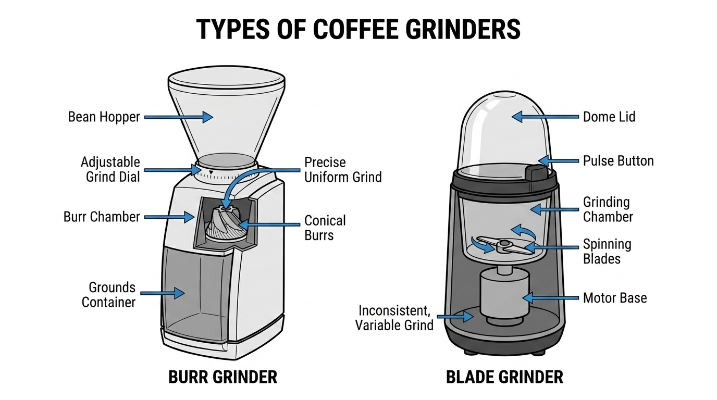
When it comes to grinding coffee beans, selecting between burr grinders and blade grinders can drastically impact your brew's flavor. Burr grinders employ two revolving abrasive surfaces to uniformly crush the beans, which allows for consistent grind sizes essential for excellent extraction during brewing. On the other hand, blade grinders slice the beans with a spinning blade, often resulting in uneven grinds that can negatively affect the extraction process.
Burr grinders are celebrated for their superior grind consistency, leading to better flavor extraction and a wide range of grind size adjustments suitable for various brewing methods. However, they typically come at a higher price point and may demand more upkeep. Conversely, blade grinders tend to be more compact and budget-friendly but may lead to over-extraction or under-extraction due to the inconsistent grind, making them less appealing for serious coffee enthusiasts.
Manual Coffee Grinder vs Electric Coffee Grinder
The decision between a manual coffee grinder and an electric coffee grinder often comes down to personal preference and convenience. Manual grinders require physical effort and patience, which many enthusiasts appreciate for the control over the grind size and a ritualistic experience. However, they can become tiring, especially when preparing multiple servings.
Electric grinders shine in terms of speed and efficiency, making them ideal for busy mornings. They provide consistent grind sizes and can save valuable time, although they typically come with a higher price tag based on brand and features. While electric options are usually easier to use, manual grinders offer a more affordable alternative and a unique connection to the grinding process. Ultimately, your choice will reflect your priorities: convenience versus the enjoyment of a hands-on approach.
Choosing the right coffee grind size
Espresso Grind
An espresso grind is defined by its fine consistency, resembling granulated sugar or even flour. This particular grind size is critical for brewing espresso as it allows for optimal water flow through the coffee grounds. The fine particles create a larger surface area, enhancing the extraction process when hot water is forced through them under pressure. It’s essential to achieve the correct espresso grind; if it's too coarse, the resulting coffee will be weak and under-extracted, leading to a lack of flavor. Conversely, too fine a grind can result in over-extraction, creating bitter and unpleasant tastes.
French Press Grind
Unlike espresso, a French press grind is notably coarser, bearing a resemblance to sea salt or breadcrumbs. This larger grind size is designed for immersion brewing, where coffee grounds steep in water for several minutes. A coarse grind prevents the filter from clogging and facilitates smoother extraction, resulting in a more balanced flavor profile devoid of unnecessary bitterness. Additionally, this grind ensures minimal sediment in the final cup, rendering a cleaner drinking experience. Selecting the appropriate grind for a French press is crucial for relishing its full-bodied taste and rich aroma.
Other Grind Sizes and Brewing Methods
Other grind sizes may include medium for drip coffee or fine for pour-over methods, each tailored to specific brewing techniques that enhance flavor extraction effectively, ensuring that every cup of coffee matches your personal taste preferences.
Common mistakes when grinding coffee beans
One of the most noted errors when grinding coffee beans is over-grinding, which yields a bitter extraction and results in an unpleasant flavor profile. Another common mistake involves inconsistent grind sizes; variations from coarse to fine can lead to uneven brewing, creating a mismatched taste in your cup.
Choosing the right grinder tailored to your brewing method is pivotal for optimal flavor. Blade grinders may produce unevenly sized particles, while burr grinders allow for precision in grind size, essential for methods such as espresso or French press. Appreciating how to grind coffee beans can elevate your brewing skills and significantly enhance the overall coffee experience. Steering clear of these common pitfalls can make a world of difference in the taste and quality of your home coffee.
How grind size affects coffee flavor
The grind size of coffee beans plays a fundamental role in shaping the flavor profile of your brew. Finer grinds tend to extract more quickly, which often leads to increased bitterness, whereas coarser grinds yield a milder taste with heightened acidity. This dynamic highlights the need for balance during extraction; over-extraction can produce off-putting harshness, while under-extraction might result in a sour brew lacking in depth and richness.
To establish that perfect balance, consider your preferred brewing method. For instance, espresso demands a fine grind to optimize extraction within a short brewing time, while French press coffee benefits from a coarse grind that allows for a smoother, more nuanced flavor profile. By understanding how to grind coffee beans with these parameters in mind, you can significantly enhance the flavor and quality of your coffee, truly elevating your home brewing experience.
Final Thoughts on Crafting Exceptional Coffee
By grasping the nuances of how to grind coffee beans and recognizing the importance of grind size and grinder type, you can transform your home coffee experience. Each element—from selecting between a burr or blade grinder to choosing the appropriate grind size for your preferred methods—plays a crucial role in enhancing the flavor of your cup. Avoid common mistakes such as uneven grinds or using incompatible grinders to harness the true potential of your coffee beans. Ultimately, informed decisions and careful practices lead to the perfect brew, ensuring you relish rich, aromatic coffee every time.
You May Like
-

-
Coffee
More Americans Drink Coffee Than Water: What's Behind the Numbers
-
Coffee
Specialty Coffee 2026: The Latest Trends In Beans, Brewing, And Technology
-
Coffee
World-Class Espresso: The One Thing Your Home Machine Is Missing
-
Guide
Flat White Vs. Latte: The Crucial Difference That Changes Your Order
-
Guide
Black Coffee For Weight Loss: The Best Brewing Method Is Not What You Think